

Principle and Working Scene Characteristics of Soybean Cake Material Conveying Lines
For industrial facilities involved in soybean cake processing, an efficient material conveying system is essential to maintain smooth production flow and enhance operational efficiency. The soybean cake material conveying line, developed by Shandong HeadPowder Engineering Co., Ltd. based in Shandong, China, offers a reliable solution tailored to the unique demands of soybean cake handling. This article explores the fundamental principles behind the conveying line and highlights its key working scene characteristics, providing insights into how it enhances productivity in various industrial applications.
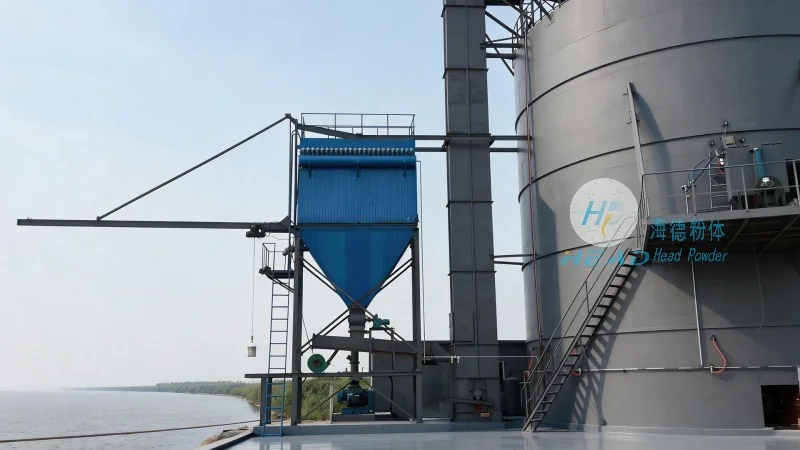
Understanding the Core Principle of Soybean Cake Material Conveying Lines
The soybean cake material conveying line operates on the principle of mechanical transport, utilizing a combination of components such as conveyor belts, rollers, and drive mechanisms to move soybean cake from one processing stage to another. The system is designed to handle bulk material efficiently, minimizing material loss and ensuring consistent flow rates. Key components include a feeding hopper that collects the soybean cake, a conveyor belt system that transports the material, and a discharge mechanism that delivers it to the next processing unit. The drive system, typically powered by electric motors, provides the necessary force to move the material along the conveyor path. This mechanical approach ensures that the conveying process is continuous and reliable, even when dealing with large volumes of soybean cake.
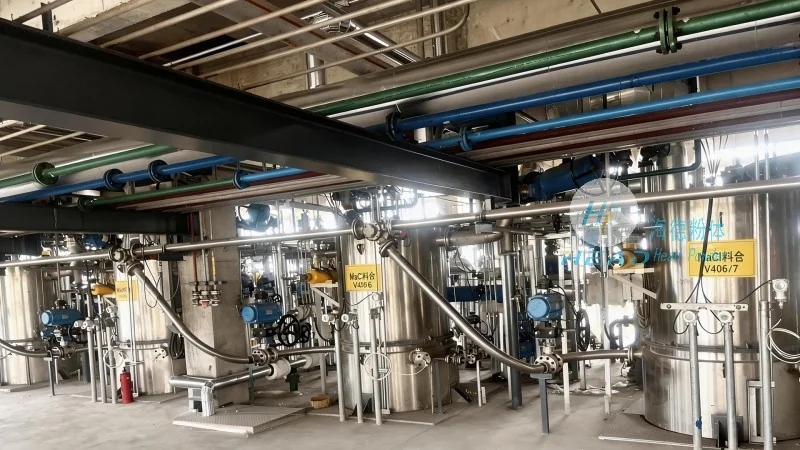
Key Working Scene Characteristics of Soybean Cake Material Conveying Lines
The working scene characteristics of the soybean cake material conveying line are tailored to meet the specific requirements of soybean cake processing environments. These characteristics include high load capacity, which allows the system to handle substantial amounts of soybean cake without compromising performance. The conveying line is also designed for durability, with components constructed from materials resistant to the abrasive nature of soybean cake, ensuring long-term operational life. Another important characteristic is the flexibility in conveyor path design, enabling the system to adapt to different plant layouts and processing needs. This adaptability is crucial for facilities that may need to reconfigure their production lines or expand their processing capabilities. Additionally, the system is engineered for low maintenance, with easy access to components for routine checks and repairs, reducing downtime and operational costs.
Application Scenarios and Operational Benefits
The soybean cake material conveying line is widely used in various industrial settings, including soybean processing plants, feed mills, and agricultural processing facilities. In these applications, the conveying line plays a critical role in integrating different processing stages, such as crushing, pressing, and drying, into a seamless production flow. The operational benefits of using this system include improved material handling efficiency, reduced labor costs, and enhanced safety in the workplace. By automating the material transport process, the conveying line minimizes the need for manual handling, which can be hazardous and inefficient. Furthermore, the system helps maintain consistent material quality by preventing contamination and ensuring uniform transport of soybean cake. This consistency is vital for downstream processing steps, such as further refining or packaging, where uniform material characteristics are essential.
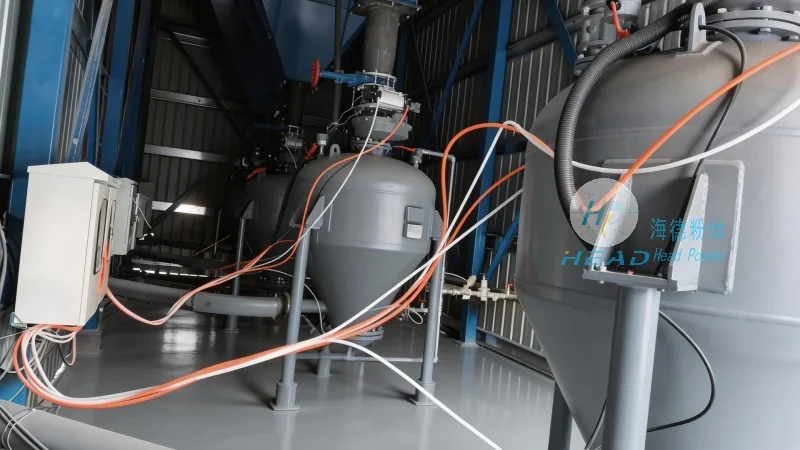
Customization and Integration with Existing Systems
Shandong HeadPowder Engineering Co., Ltd. offers customization options for the soybean cake material conveying line to meet the specific needs of each client. The company’s engineers work closely with clients to understand their production requirements and design a conveying system that integrates seamlessly with existing equipment. This integration ensures that the new conveying line complements the current production setup without disrupting operations. Customization options may include adjustments to conveyor speed, belt width, and the number of conveyor sections to match the client’s processing volume. Additionally, the system can be equipped with sensors and monitoring devices to provide real-time data on material flow and system performance, enabling proactive maintenance and optimization. This level of customization and integration is key to maximizing the efficiency and effectiveness of the conveying line in diverse industrial applications.