

Principle and Working Scene Characteristics of Industrial Salt Material Conveying Lines
Industrial salt material conveying lines are essential systems in various industrial applications, particularly in the salt processing and chemical industries. These lines are designed to efficiently transport bulk industrial salt from storage areas to processing units or for distribution. The core functionality of such systems revolves around the principles of material handling, ensuring safe, reliable, and efficient movement of salt, which is crucial for maintaining production efficiency and operational safety.
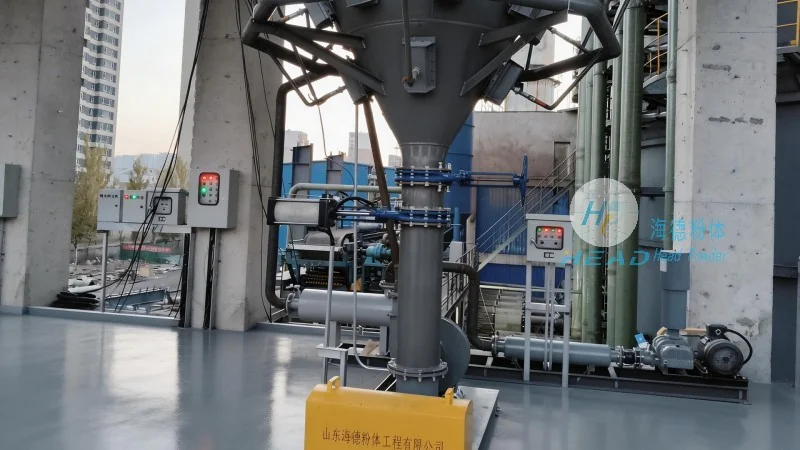
Overview of Industrial Salt Material Conveying Lines
Industrial salt, often used in de-icing, chemical manufacturing, and food processing, requires specialized handling due to its bulk nature and potential for dust generation. Conveying lines address these challenges by integrating various components like hoppers, feeders, conveyors, and control systems. The system's design is tailored to the specific characteristics of industrial salt, such as its granular size, moisture content, and flowability, ensuring optimal performance under different operational conditions.
The Working Principle of Industrial Salt Conveying Systems
The fundamental principle of industrial salt material conveying lines is the conversion of mechanical energy into the kinetic energy required to move the salt. Common types of conveyors used include belt conveyors, screw conveyors, and pneumatic conveyors. Belt conveyors are widely used for horizontal and slight incline transport due to their high capacity and ability to handle large volumes of salt. Screw conveyors, on the other hand, are suitable for vertical or inclined transport, providing a compact solution for moving salt through vertical sections. Pneumatic conveyors use air pressure to transport salt in a closed system, which is ideal for applications requiring dust control and minimal product contamination.
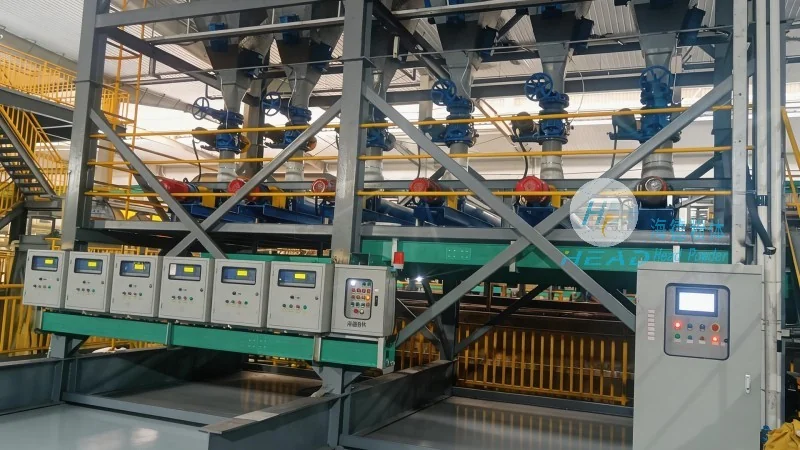
Key Components and Their Functions
Each component in an industrial salt conveying line plays a critical role in the overall operation. The hopper serves as the initial storage and feeding point, where raw industrial salt is loaded. The feeder, typically a rotary or vibratory type, regulates the flow rate of salt into the conveyor, preventing overloading and ensuring consistent material feed. The conveyor itself is the primary transport mechanism, transferring salt from the hopper to the processing or storage location. Control systems, including sensors and automation devices, monitor the system's performance, adjusting parameters like speed and flow rate to maintain optimal operation. Additionally, dust suppression and filtration systems are often integrated to manage airborne salt particles, enhancing safety and compliance with environmental regulations.
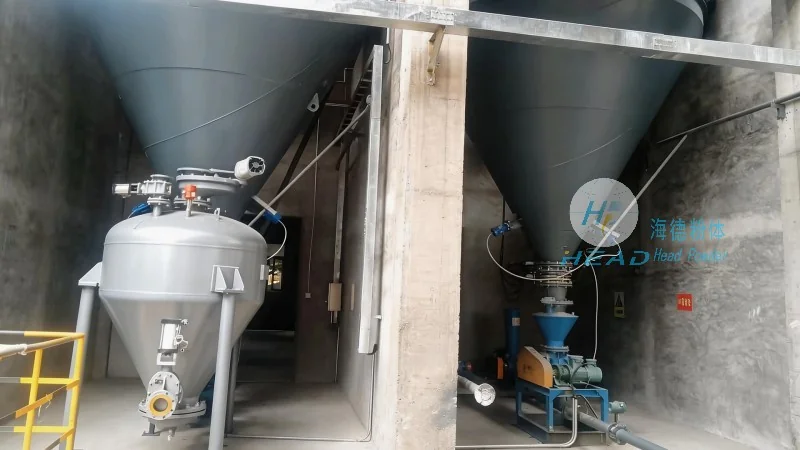
Working Scene Characteristics and Applications
The working scene characteristics of industrial salt material conveying lines vary based on the specific industry and application. In salt production facilities, these lines are used to transport raw salt from mines or evaporation ponds to processing plants. The systems must handle large volumes of salt and operate in harsh environments, often with high humidity and temperature variations. In chemical manufacturing, the conveying lines transport salt as a raw material for processes like salt solution preparation or chemical synthesis. The systems are designed to integrate seamlessly with other processing equipment, ensuring a continuous flow of materials. For food processing, the conveying lines must meet stringent hygiene standards, with components made of food-grade materials and easy-to-clean surfaces. Each application requires a customized system that addresses the unique challenges of the working environment, such as dust control, corrosion resistance, and material compatibility.
Operational Efficiency and Maintenance Considerations
Efficiency in industrial salt material conveying lines is achieved through proper system design and regular maintenance. The choice of conveyor type and components is critical to minimize energy consumption and maximize throughput. Regular maintenance, including cleaning, lubrication, and inspection of moving parts, is essential to prevent downtime and extend the system's lifespan. The control systems play a vital role in optimizing operational efficiency by monitoring key parameters like flow rate, speed, and pressure. By maintaining optimal performance, industrial salt conveying lines ensure consistent production output and reduce operational costs. Additionally, the integration of safety features, such as emergency stop buttons and overload protection, enhances the overall safety of the system, protecting both personnel and equipment.