

Biomass Powder Conveying Methods: Exploring Effective Solutions
For industries dealing with biomass powders, selecting the right conveying method is crucial for efficiency, cost-effectiveness, and operational safety. The choice of conveying system directly impacts production throughput, material handling costs, and the overall reliability of processing operations. In this article, we will explore the primary methods used for biomass powder conveying, focusing on the technologies and considerations that make each approach suitable for different applications.
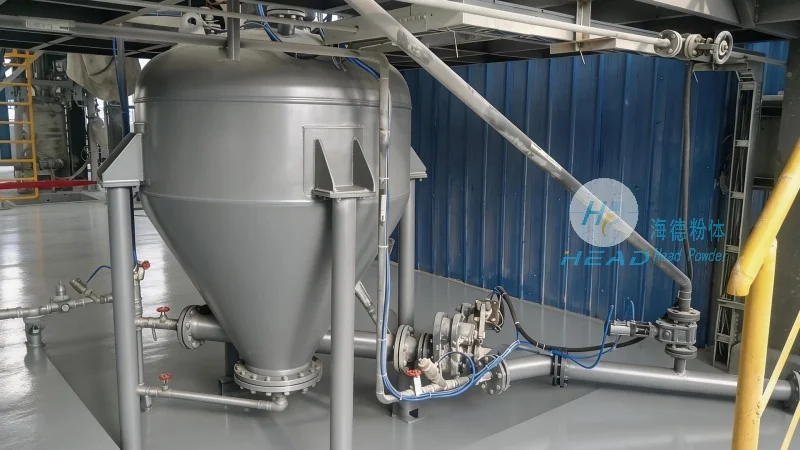
Understanding Biomass Powder Properties and Conveying Challenges
Before delving into specific conveying methods, it is essential to understand the characteristics of biomass powders that influence handling. Biomass powders, derived from organic materials like wood chips, agricultural residues, or processed biofuels, often exhibit properties such as high moisture content, variable particle size, and abrasive nature. These factors can affect the performance of conveying equipment and require specialized solutions to prevent material degradation or equipment wear. The goal of an effective conveying system is to transport biomass powders from one point to another with minimal loss, contamination, or degradation, while maintaining consistent flow rates and preventing blockages or clogging.
1. Mechanical Conveying Systems: Traditional and Reliable Options
Mechanical conveying systems are among the most common methods for biomass powder handling, particularly in applications where bulk material transport is required over short to medium distances. These systems utilize mechanical components such as belts, screws, or buckets to move materials. For biomass powders, screw conveyors are widely used due to their ability to handle a wide range of particle sizes and moisture levels. Screw conveyors consist of a rotating helical screw inside a tube, which pulls material forward through the system. This method is particularly effective for vertical or inclined transport, as the screw's rotation creates a continuous flow. The company, Shandong HeadPowder Engineering Co., Ltd., specializes in designing and manufacturing customized mechanical conveying solutions tailored to the unique needs of biomass processing facilities. Their expertise in material handling ensures that screw conveyors and other mechanical systems are optimized for efficiency and durability in demanding environments.
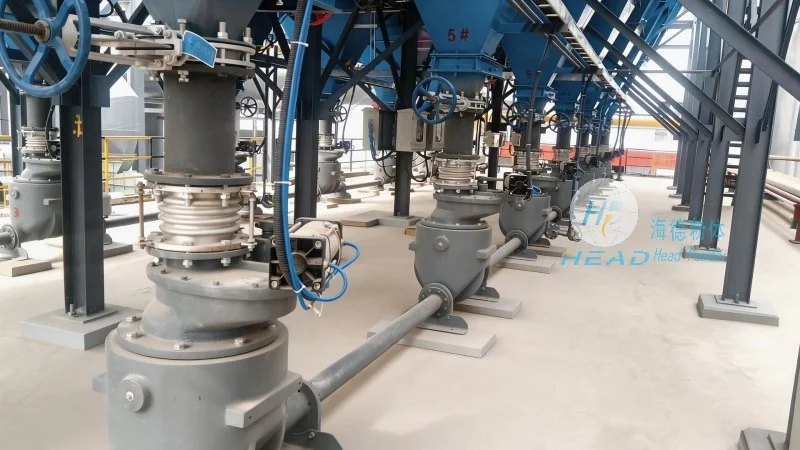
2. Pneumatic Conveying Systems: High-Volume and Flexible Solutions
Pneumatic conveying systems use air or other gases to transport biomass powders through a pipeline network. This method is ideal for high-volume applications and long-distance transport, as it can move materials over several hundred meters without the need for intermediate transfer points. There are two main types of pneumatic conveying: pressure and vacuum. Pressure systems use compressed air to push material through the pipeline, while vacuum systems use suction to draw material from the source. Pneumatic conveying is particularly effective for handling fine powders and can be integrated with other processing equipment, such as mixers or dryers, to create a seamless material flow. The company, headpowder, offers advanced pneumatic conveying solutions that include high-capacity blowers, flexible hose systems, and control panels to ensure consistent and reliable operation. Their systems are designed to minimize air consumption and maximize material throughput, making them a cost-effective choice for large-scale biomass processing operations.
3. Hydraulic Conveying Systems: Heavy-Duty and High-Pressure Applications
For applications involving high-density or abrasive biomass powders, hydraulic conveying systems may be employed. These systems use water or other liquids to transport materials under high pressure, making them suitable for heavy-duty operations where mechanical or pneumatic systems may not be sufficient. Hydraulic conveyors typically consist of a pump, a high-pressure pipe, and a valve system that controls the flow of material. This method is particularly effective for transporting materials with high moisture content or high particle size, as the liquid helps to lubricate and move the material through the system. The company, Shandong HeadPowder Engineering Co., Ltd., has experience in designing hydraulic conveying solutions for challenging biomass applications, ensuring that these systems are robust and reliable in demanding conditions.
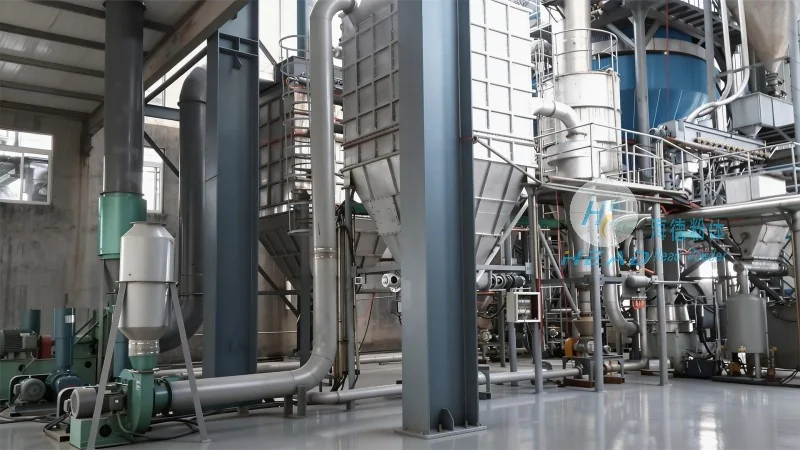
4. Combination Conveying Systems: Integrating Multiple Technologies
In many industrial settings, a single conveying method may not be sufficient to meet all operational requirements. Combination conveying systems, which integrate multiple technologies, are increasingly popular for biomass powder handling. These systems may combine mechanical and pneumatic components to achieve the best of both worlds—high efficiency and flexibility. For example, a system might use a screw conveyor to transport material to a pneumatic line, where it is then moved to a processing unit. This approach allows for seamless integration with existing equipment and can optimize material flow based on the specific needs of the operation. The company, headpowder, specializes in designing customized combination conveying systems that address the unique challenges of biomass processing, ensuring that each component is optimized for performance and durability.
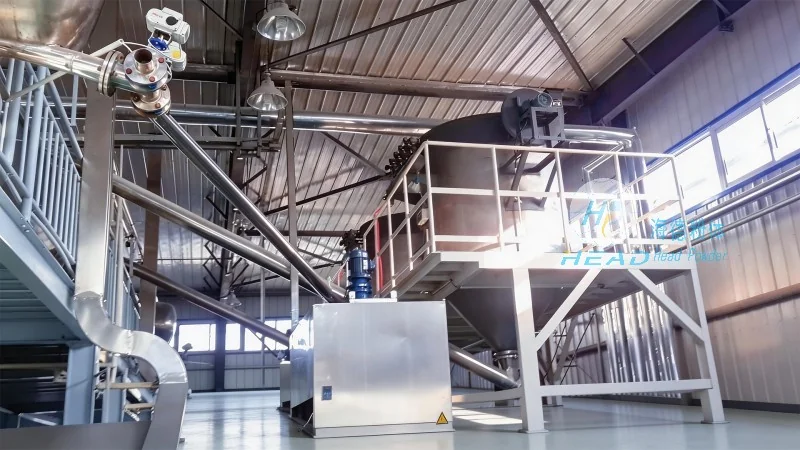
Key Considerations for Selecting Biomass Powder Conveying Systems
When selecting a biomass powder conveying system, several factors must be considered to ensure optimal performance and cost-effectiveness. First, the material properties of the biomass powder, such as particle size, moisture content, and abrasiveness, must be evaluated. These properties will determine the type of conveying system that is most suitable—for example, fine powders may require pneumatic systems, while coarse materials may be better handled by mechanical systems. Second, the distance and layout of the conveying route must be considered, as this will influence the choice between short-distance mechanical systems and long-distance pneumatic systems. Third, the required flow rate and throughput must be matched with the capacity of the conveying system to avoid bottlenecks or underutilization. Finally, the cost of installation, maintenance, and operation must be evaluated to ensure that the system provides a good return on investment. The company, Shandong HeadPowder Engineering Co., Ltd., offers comprehensive consultation services to help clients assess these factors and select the most appropriate conveying system for their specific needs.
Conclusion: Choosing the Right Biomass Powder Conveying Solution
Effective biomass powder conveying is critical for the success of many industrial processes, from biofuel production to agricultural residue processing. By understanding the properties of biomass powders and the capabilities of different conveying systems, industries can select the most suitable solution for their operations. Mechanical, pneumatic, hydraulic, and combination systems each offer unique advantages and are suitable for different applications. The key is to match the system to the specific requirements of the material and the operational environment. With its expertise in material handling and customized solutions, Shandong HeadPowder Engineering Co., Ltd. provides reliable and efficient conveying systems that help clients optimize their biomass processing operations and achieve their production goals. Whether you need a simple screw conveyor or a complex combination system, the company's commitment to quality and customer satisfaction ensures that you receive a solution tailored to your unique needs.