

Principle and Working Scenario Characteristics of Calcium Hydroxide Powder Material Handling System
HeadPowder, a leading enterprise based in Shandong, China, specializes in the design, manufacturing, and supply of advanced material handling systems tailored for calcium hydroxide powder. This article delves into the fundamental principles of such systems and highlights the key working scenario characteristics that define their operational effectiveness.
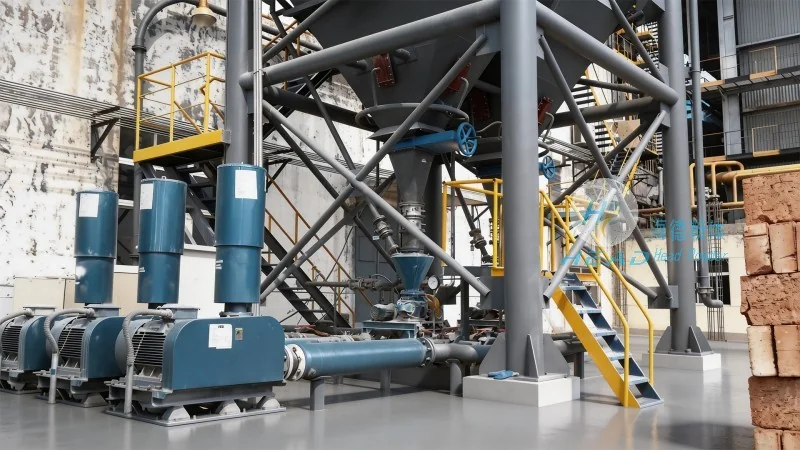
Understanding the Core Principles of Calcium Hydroxide Powder Material Handling Systems
At the heart of calcium hydroxide powder material handling systems lies a sophisticated integration of mechanical, pneumatic, and sometimes hydraulic components. The primary goal is to ensure the safe, efficient, and reliable transfer of this fine powder from storage silos or bulk containers to processing units, packaging lines, or transportation vehicles. The system's design addresses several critical challenges inherent to handling calcium hydroxide powder, including its hygroscopic nature, dust generation, and the need for minimal product degradation during transport.
Key principles include the use of enclosed conveyor systems to prevent dust dispersion, which is essential for maintaining workplace safety and complying with environmental regulations. Additionally, the systems often incorporate adjustable speed controls and variable tension mechanisms to accommodate the varying flow characteristics of calcium hydroxide powder, which can range from free-flowing to slightly cohesive depending on moisture content and particle size. The selection of appropriate materials for conveyor components, such as food-grade stainless steel or corrosion-resistant alloys, is another critical principle to ensure durability and prevent contamination of the product.
Working Scenario Characteristics: Tailoring Systems to Application Needs
The working scenario characteristics of calcium hydroxide powder material handling systems are highly influenced by the specific industrial applications they serve. These systems are commonly employed in industries like construction, agriculture, and water treatment, where calcium hydroxide is used as a soil conditioner, pH adjuster, or coagulant. The operational environment, such as the scale of production, the need for continuous or batch processing, and the integration with existing infrastructure, all play a role in determining the system's design.
For instance, in large-scale industrial plants, the system may feature multiple parallel conveyor lines, high-capacity feeders, and automated control panels to manage high throughput rates. In contrast, smaller-scale applications in agricultural settings might utilize compact, portable systems with manual or semi-automatic controls, designed for on-site mixing and application. The working scenario also considers the need for easy maintenance and cleaning, as calcium hydroxide powder can adhere to surfaces and require regular sanitation to prevent clogging and ensure consistent performance.
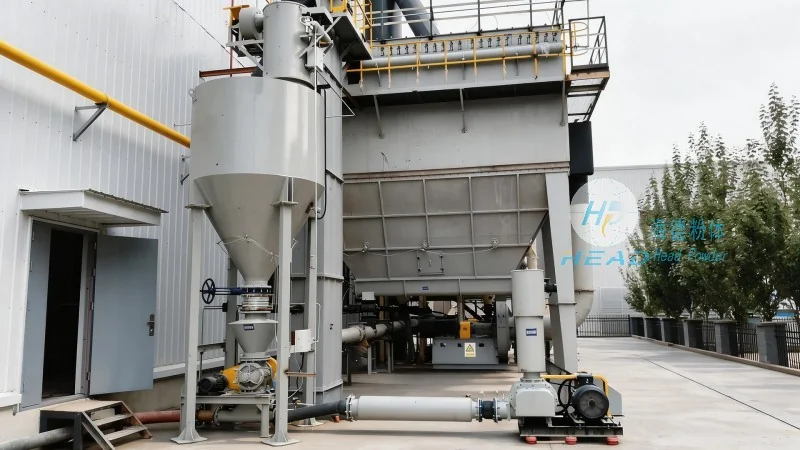
Key Features and Technical Specifications
Advanced calcium hydroxide powder material handling systems from HeadPowder are equipped with several features that enhance their performance and reliability. These include:
1. Enclosed and Dust-Tight Conveyors: To minimize dust exposure and maintain a clean working environment, the systems utilize fully enclosed conveyor belts or screw conveyors with sealed housing. This design also helps in controlling the temperature and humidity of the powder during transport, which is crucial for preserving its quality.
2. Variable Speed and Tension Control: The ability to adjust conveyor speed and tension allows operators to optimize the flow rate based on the powder's characteristics. This feature is particularly important when dealing with calcium hydroxide powder that may vary in moisture content or particle size, ensuring smooth and consistent transfer without blockages or product degradation.
3. Material Handling Components: High-quality materials like stainless steel, aluminum, or specialized plastics are used for conveyor components, hoppers, and chutes to resist corrosion and wear caused by the powder's abrasive nature. The design of these components, including smooth internal surfaces and rounded corners, minimizes the risk of material buildup and ensures easy cleaning.

4. Integrated Monitoring and Safety Systems: Modern systems often include sensors and monitoring devices to detect blockages, overloads, or abnormal temperature changes. Safety features such as emergency stop buttons, interlocked access panels, and dust suppression systems are also standard to protect both personnel and equipment.
Application-Specific Solutions and Customization
HeadPowder recognizes that each calcium hydroxide powder handling operation has unique requirements. Therefore, the company offers customized solutions tailored to specific working scenarios. For example, in water treatment facilities, the system may be designed to handle larger quantities of powder and integrate with dosing equipment to ensure precise addition of calcium hydroxide to water streams. In agricultural applications, the system might include a mixing unit to blend the powder with other materials before application, ensuring uniform distribution.
Customization also extends to the integration with existing production lines. The systems can be designed to connect seamlessly with storage silos, processing equipment, or packaging machinery, minimizing downtime and improving overall operational efficiency. HeadPowder's engineering team works closely with clients to understand their specific needs, from initial material analysis to final system installation and commissioning.
Conclusion: Enhancing Efficiency and Safety in Calcium Hydroxide Powder Handling
Calcium hydroxide powder material handling systems, as exemplified by those from Shandong HeadPowder Engineering Co., Ltd., represent a critical component in industries that rely on this versatile material. By adhering to fundamental principles of enclosed transport, material compatibility, and operational flexibility, these systems ensure the safe and efficient handling of calcium hydroxide powder. The working scenario characteristics, which are tailored to specific applications, highlight the importance of customization in optimizing performance and meeting industry standards. As a result, these systems not only enhance productivity but also contribute to a safer and more sustainable working environment.