

Principles and Operational Characteristics of Polyacrylamide Material Handling Systems
Shandong HeadPowder Engineering Co., Ltd., located in Shandong, China, specializes in the design, manufacturing, and supply of advanced polyacrylamide material handling systems. These systems are engineered to efficiently transport polyacrylamide, a critical chemical widely used in water treatment, paper manufacturing, and mining industries. Understanding the principles and operational characteristics of these systems is essential for optimizing performance and ensuring reliability in various industrial applications.
Principles of Polyacrylamide Material Handling Systems
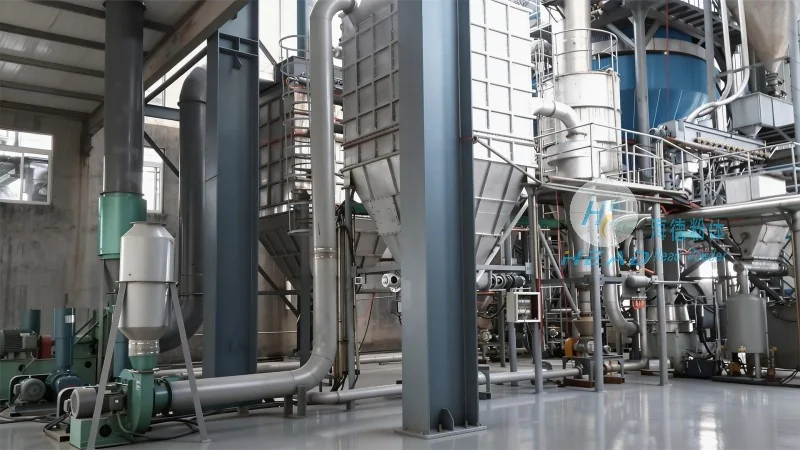
The core principle of polyacrylamide material handling systems lies in the integration of specialized equipment designed to handle the unique properties of polyacrylamide. Polyacrylamide is a water-soluble polymer with high molecular weight, which can present challenges during transportation due to its adhesive and viscous nature. The systems typically incorporate features such as precise dosing mechanisms, controlled flow rates, and protective enclosures to prevent material degradation or equipment damage. The design emphasizes efficiency, safety, and durability, ensuring that the polyacrylamide is transported in a manner that maintains its integrity and effectiveness for downstream processes.
Key Components and Their Functions
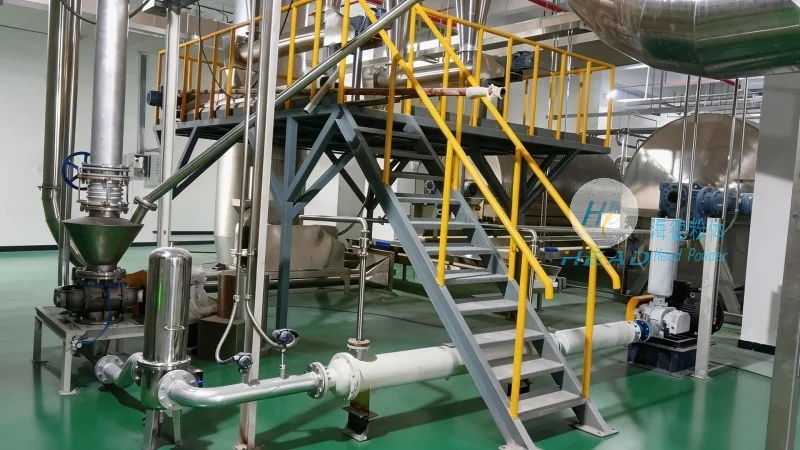
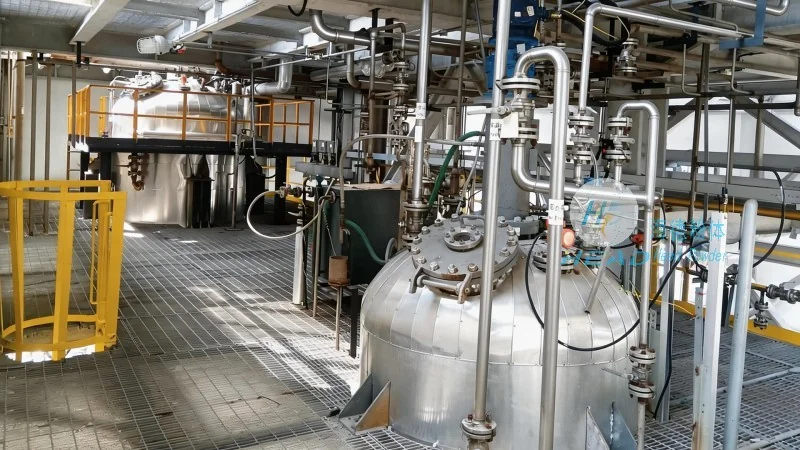
Several key components make up a polyacrylamide material handling system, each playing a crucial role in the overall operation. The primary components include a storage tank, a dosing pump, a mixing unit, and a conveying system. The storage tank is designed to hold the polyacrylamide solution under controlled conditions, preventing evaporation or contamination. The dosing pump accurately measures and dispenses the required amount of polyacrylamide, ensuring consistent dosing rates. The mixing unit, often equipped with agitators or stirrers, ensures that the polyacrylamide is fully dissolved and uniformly distributed. The conveying system, which may include pipelines, hoses, or specialized transport equipment, transports the polyacrylamide solution to the point of use. Each component is engineered to work in harmony, minimizing downtime and maximizing operational efficiency.
Operational Characteristics in Different Work Scenarios
The operational characteristics of polyacrylamide material handling systems vary based on the specific work scenario and application. In water treatment facilities, for example, the system must handle large volumes of polyacrylamide solution at high flow rates to meet the demands of rapid sludge dewatering and clarification processes. The equipment is designed to maintain stable pressure and flow, ensuring consistent performance even under varying load conditions. In the paper manufacturing industry, the system may need to handle polyacrylamide in a more controlled environment to prevent clogging or blockages in the paper machine's process lines. The system's ability to adjust flow rates and pressure dynamically is critical in such scenarios. Similarly, in mining operations, the system may be used to transport polyacrylamide for tailings management, requiring robust construction and resistance to harsh environmental conditions. The operational characteristics, such as durability, corrosion resistance, and ease of maintenance, are tailored to meet the specific challenges of each industry.
Advantages and Benefits of Using Polyacrylamide Material Handling Systems
Implementing a polyacrylamide material handling system offers numerous advantages for industrial operations. One of the primary benefits is improved efficiency, as the system ensures consistent and accurate dosing of polyacrylamide, leading to better process control and reduced waste. The automated nature of the system minimizes human error, enhancing safety and reducing the risk of over or under-dosing, which can negatively impact process outcomes. Additionally, the system's design promotes durability and longevity, with components built to withstand the demanding conditions of industrial environments. This reduces maintenance costs and extends the lifespan of the equipment. The system also contributes to environmental sustainability by optimizing the use of polyacrylamide, reducing unnecessary chemical usage and minimizing the environmental impact of industrial processes. Overall, the use of such systems enhances operational reliability, cost-effectiveness, and compliance with industry standards.
Conclusion and Application Outlook
Shandong HeadPowder Engineering Co., Ltd. provides comprehensive polyacrylamide material handling systems that are tailored to meet the diverse needs of various industries. By understanding the principles and operational characteristics of these systems, businesses can optimize their processes, enhance efficiency, and ensure the reliable delivery of polyacrylamide for critical applications. The systems are designed with a focus on durability, accuracy, and adaptability, making them suitable for a wide range of work scenarios. As industries continue to demand higher performance and reliability from their material handling solutions, the importance of advanced polyacrylamide systems will only grow. Shandong HeadPowder Engineering Co., Ltd. remains committed to delivering innovative and effective solutions that meet the evolving needs of the market.