

What Are the Methods for Polyvinyl Butyral (PVB) Transport?
Polyvinyl butyral (PVB) is a crucial polymer widely used in various industries, including automotive, construction, and optical applications. As a versatile material, PVB's effective transportation is essential for maintaining its quality and ensuring smooth supply chain operations. Understanding the different methods of PVB transport is vital for businesses dealing with this polymer.
Common Transportation Methods for Polyvinyl Butyral (PVB)
There are several established methods for transporting polyvinyl butyral, each tailored to different scenarios and material properties. The choice of method depends on factors such as the quantity of PVB, its form (liquid or solid), and the distance of transportation. Key methods include bulk transport via trucks, specialized containers, and rail, as well as smaller-scale solutions like containers and packaging for retail or industrial use.
Bulk Transportation via Trucks and Specialized Vehicles
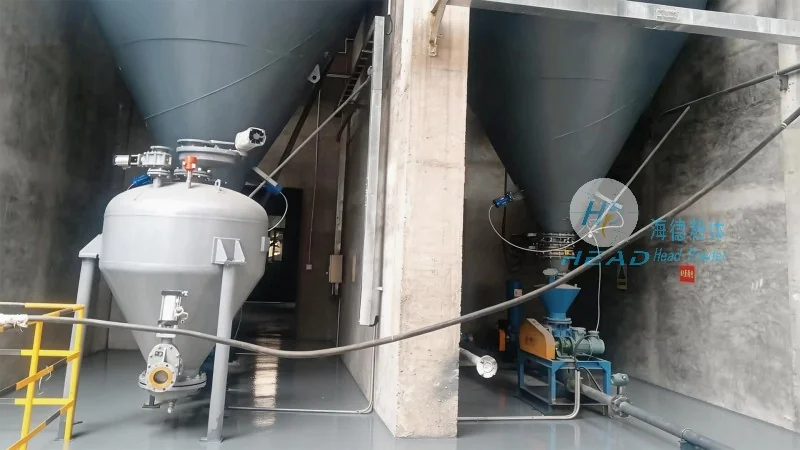
For large-scale PVB shipments, bulk transport using trucks equipped with temperature-controlled containers is a common approach. This method is ideal for transporting liquid PVB, which requires consistent temperature management to prevent degradation. The trucks are often designed with insulated tanks to maintain the required temperature, ensuring the material remains in optimal condition during transit. Additionally, specialized vehicles may be used for solid PVB pellets or granules, which are transported in bulk containers that minimize exposure to environmental factors.
Containerized Transport for PVB Products
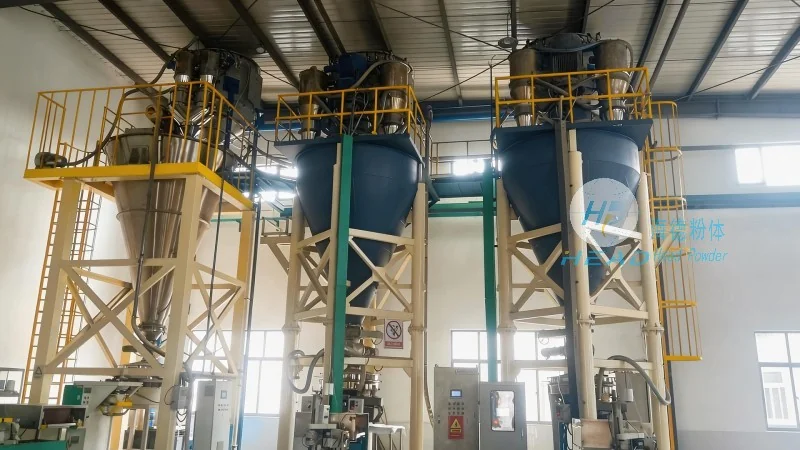
Containerized transport is another effective method, particularly for PVB in solid form, such as pellets or sheets. Shipping containers are used to protect the material from moisture, dust, and other contaminants, ensuring it arrives at its destination in pristine condition. This method is suitable for both domestic and international shipping, allowing for efficient movement of PVB across regions. The containers are often sealed and labeled with proper handling instructions to comply with safety and regulatory standards.
Railway Transport as an Alternative for Long-Distance PVB Movement
For long-distance transportation, railway transport can be a cost-effective option. Railcars equipped with insulated and temperature-controlled compartments are used to transport PVB, especially in bulk quantities. This method reduces the carbon footprint compared to road transport and is ideal for moving large volumes over long distances without frequent stops. The railway system also provides a stable environment for the material, minimizing the risk of damage during transit.
Specialized Packaging and Handling for PVB
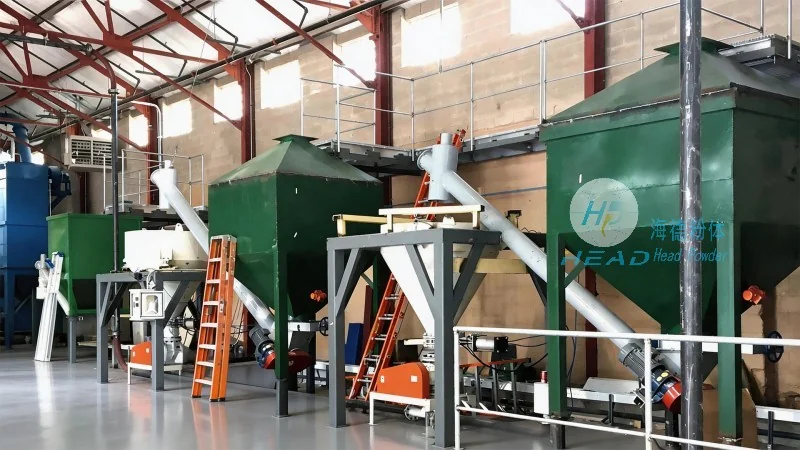
Regardless of the transportation method, proper packaging and handling are critical for maintaining the quality of PVB. For smaller batches or retail applications, PVB may be packaged in sealed bags or containers with desiccants to prevent moisture absorption. These packages are designed to be lightweight and easy to handle, ensuring safe delivery to end-users. In industrial settings, larger batches may use bulk bags or tankers, which are equipped with valves and pumps for controlled dispensing.
Ensuring Quality and Compliance in PVB Transportation
Throughout the transportation process, adherence to quality standards and regulatory requirements is paramount. Companies like Shandong HeadPowder Engineering Co., Ltd. specialize in providing reliable PVB transport solutions, ensuring that the material meets industry specifications and safety guidelines. Their expertise in handling different forms of PVB and choosing the appropriate transport method helps maintain the integrity of the product from source to destination.