

Principle and Working Scene Characteristics of Ash Slag Powder Pneumatic Conveying Equipment
As a specialized solution for handling ash slag materials, pneumatic conveying equipment plays a crucial role in industrial applications. This equipment is designed to transport fine powders and granular materials like ash slag efficiently and reliably. The following sections will explore the fundamental principles behind this technology and the typical working scenarios where such equipment is applied.
Principle of Pneumatic Conveying for Ash Slag
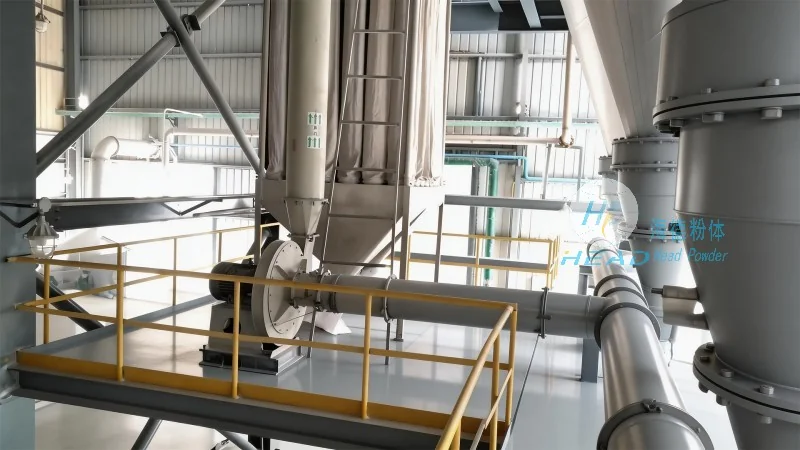
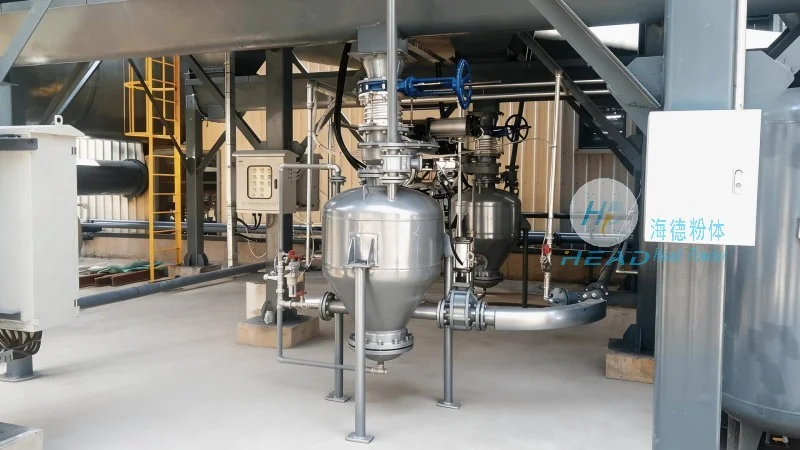
The core principle of pneumatic conveying for ash slag involves using air as the medium to transport particles through a pipeline system. This method relies on the pressure difference created by a blower or compressor to move the material. There are primarily two types of pneumatic conveying systems: dilute-phase and dense-phase. Dilute-phase systems use higher air velocities to keep particles suspended, while dense-phase systems operate at lower velocities, allowing particles to settle and form a plug flow. For ash slag, which often has high moisture content and abrasive properties, the choice of system depends on the specific material characteristics and the required transport distance. The equipment typically includes a hopper for material storage, a feeder to control the flow rate, a conveying line, and a receiver to collect the material at the destination. The blower or compressor provides the necessary air pressure, and the system is designed to handle the unique challenges posed by ash slag, such as its tendency to agglomerate or clog the pipeline.
Working Scene Characteristics
Ash slag, a byproduct of coal combustion in power plants, is commonly transported using pneumatic conveying equipment. The working scenes where this equipment is applied include power plant ash handling systems, where the equipment is integrated into the overall plant infrastructure to move ash from the boiler to storage or disposal sites. Another common scenario is in cement and concrete production, where ash slag is used as a supplementary cementitious material (SCM). The equipment must be capable of handling the material's varying particle sizes and moisture levels, which can affect the conveying efficiency. In industrial waste management facilities, ash slag is also transported to landfills or recycling facilities, requiring equipment that can operate in harsh environments and with potentially contaminated materials. The working scene characteristics also include the need for equipment that can handle long-distance transport, as power plants and industrial sites are often located far from disposal or processing facilities. Additionally, the equipment must be designed for easy maintenance and cleaning, as ash slag can be abrasive and may leave residues in the system. The working environment may involve high temperatures or corrosive conditions, necessitating materials like stainless steel or special coatings for the conveying components.
Key Features and Advantages
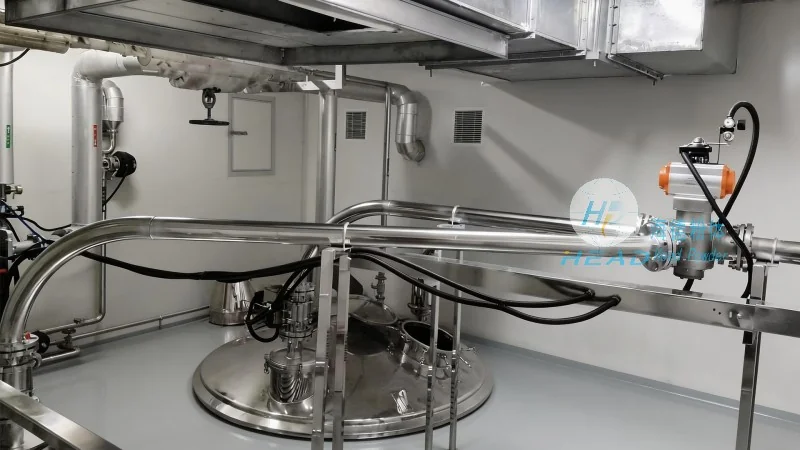
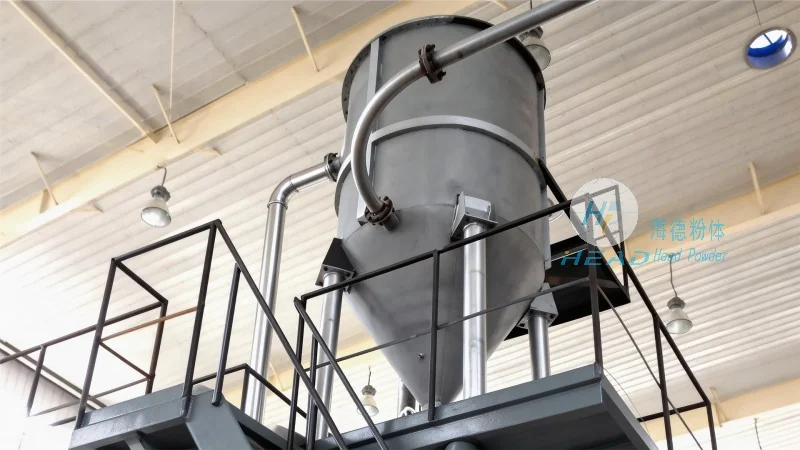
HeadPowder, a leading manufacturer of pneumatic conveying equipment, offers specialized solutions tailored to the needs of ash slag handling. The company's products are designed with features that address the unique challenges of ash slag, such as high moisture content, abrasive properties, and potential agglomeration. Key features include robust hopper designs to prevent material bridging, adjustable feeders to control flow rates precisely, and high-efficiency blowers that provide consistent air pressure. The conveying lines are constructed from durable materials like stainless steel or corrosion-resistant alloys to withstand the harsh conditions of ash slag transport. The equipment also includes advanced control systems that monitor pressure, flow rate, and material level, ensuring safe and efficient operation. The advantages of using pneumatic conveying for ash slag include reduced labor costs compared to traditional methods like truck transport, lower environmental impact due to less dust and emissions, and improved safety by minimizing manual handling of the material. Additionally, the system can be integrated with other plant processes, such as ash storage or processing, to create a seamless workflow.
Application Examples
One typical application of ash slag pneumatic conveying equipment is in a thermal power plant. The plant generates large volumes of ash slag, which is collected in a hopper and then conveyed through a network of pipelines to a storage silo or a disposal site. The equipment is designed to handle the high volume of material and the long distance between the boiler and the storage facility. Another example is in a cement manufacturing plant, where ash slag is used as a supplementary cementitious material. The equipment transports the ash slag from the power plant to the cement plant, where it is mixed with other raw materials. The system is optimized to maintain the material's moisture content and particle size, ensuring consistent quality in the final cement product. In industrial waste management, the equipment is used to transport ash slag from a power plant to a landfill or a recycling facility. The system is designed to handle the material's variability and the potential for contamination, ensuring that the transport process is efficient and environmentally friendly.
Conclusion
Pneumatic conveying equipment is an essential technology for handling ash slag in various industrial applications. The principles behind this technology, combined with specialized design features, enable efficient and reliable transport of ash slag materials. HeadPowder, with its expertise in engineering and manufacturing, provides high-quality solutions that meet the specific needs of ash slag handling. By understanding the working scene characteristics and the key features of the equipment, industrial facilities can choose the most appropriate system to enhance their operational efficiency and reduce costs. As the demand for sustainable and efficient material handling solutions grows, pneumatic conveying equipment will continue to play a vital role in the management of ash slag and other industrial powders.