

Common Methods of Small Material Conveying
When it comes to the efficient handling and transportation of small materials in industrial settings, selecting the right conveying method is crucial for optimizing workflow and ensuring product integrity. Small material conveying systems are designed to move granular, powdery, or fine particulate materials from one location to another with precision and reliability. The choice of method depends on factors such as material characteristics, required throughput, space constraints, and the environment in which the conveying takes place. This article explores some of the most common methods used for small material conveying, highlighting their applications and key features. As a leading provider of material handling solutions, Shandong HeadPowder Engineering Co., Ltd. specializes in designing and manufacturing equipment tailored to meet the diverse needs of industries ranging from food processing to chemical manufacturing.
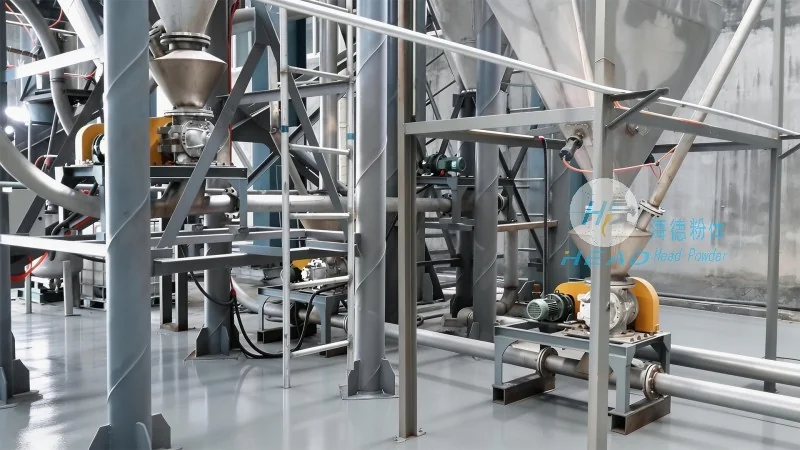
1. Screw Conveyors (Auger Conveyors)
Screw conveyors, also known as auger conveyors, are among the most widely used equipment for small material conveying. These systems consist of a rotating helical screw blade mounted inside a U-shaped or cylindrical tube. As the screw rotates, it pushes material forward along the tube, effectively transporting it from the inlet to the outlet. Screw conveyors are particularly effective for handling dry, free-flowing materials like powders, granules, and small pellets. They are often used in industries such as food processing, pharmaceuticals, and chemical manufacturing. The design of screw conveyors allows for vertical or inclined operation, making them versatile for various layouts. The primary advantages include simplicity, low maintenance, and the ability to handle a wide range of materials without the need for additional components like buckets or belts. However, they may not be suitable for highly abrasive or sticky materials, as this can lead to increased wear and reduced efficiency.
2. Pneumatic Conveying Systems
Pneumatic conveying systems use air or other gases to transport small materials through a network of pipes. This method is particularly useful for handling fine powders and granules that are difficult to move with mechanical systems. There are two main types of pneumatic conveying: pressure and vacuum systems. In pressure systems, air is pumped into a container or hopper, creating pressure that forces the material through the pipeline. Vacuum systems, on the other hand, use a vacuum pump to draw material from a source into the conveying line. Pneumatic conveying offers several benefits, including the ability to transport materials over long distances, the flexibility to change routes by adjusting the pipe network, and the capability to handle materials that are sensitive to moisture or contamination. However, it requires a reliable air supply and may not be as efficient for very heavy or abrasive materials. The system's performance is also dependent on the air pressure and flow rate, which must be carefully controlled to maintain consistent material transport.
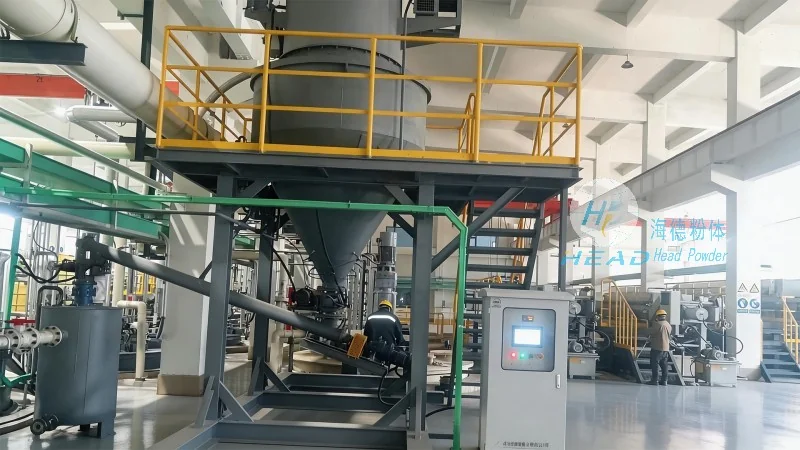
3. Vibrating Conveyors
Vibrating conveyors utilize vibration to move small materials along a trough or conveyor belt. The conveyor consists of a frame that is mounted on vibration motors or springs, causing the material to move by the force of the vibration. This method is effective for handling a variety of materials, including powders, granules, and even bulkier items that may have some moisture or stickiness. Vibrating conveyors are often used in applications where gentle handling is required, such as in the food and pharmaceutical industries, where product integrity must be preserved. They are also suitable for transporting materials over moderate distances and can be configured for both horizontal and inclined operation. The key advantage of vibrating conveyors is their ability to handle materials with different flow characteristics without the need for complex mechanisms. However, they may not be as efficient for very fine powders that tend to settle or for materials that are highly abrasive, as the vibration can cause increased wear on the trough and support structures.
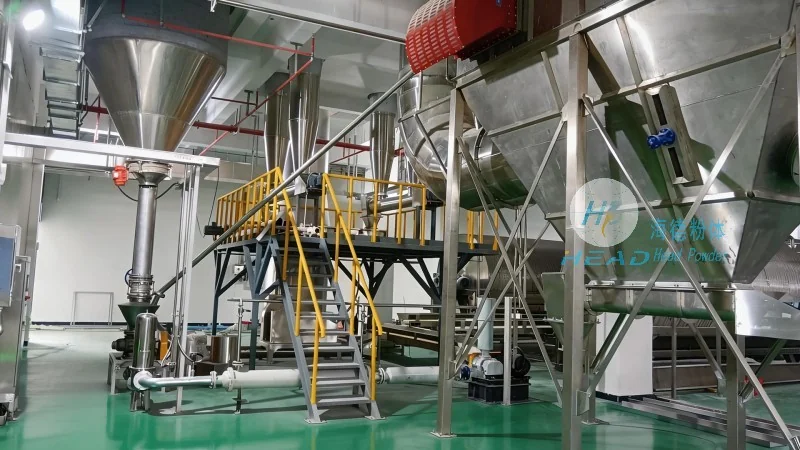
4. Belt Conveyors
Belt conveyors are a classic and widely used method for small material conveying, particularly in bulk material handling. These systems consist of a continuous belt that moves over rollers or pulleys, transporting material from the loading point to the discharge point. Belt conveyors are highly effective for handling a wide range of materials, from dry powders to bulkier granules and even small parts. They are commonly used in industries such as mining, construction, and manufacturing for transporting raw materials or finished products. The design of belt conveyors allows for long distances and high throughput, making them suitable for large-scale operations. The primary benefits include high capacity, low maintenance, and the ability to transport materials in a controlled manner. However, they require regular maintenance to ensure the belt remains properly aligned and the rollers are in good condition. Belt conveyors may also be less efficient for very fine powders, as the material can slip or fall off the belt if not properly secured.
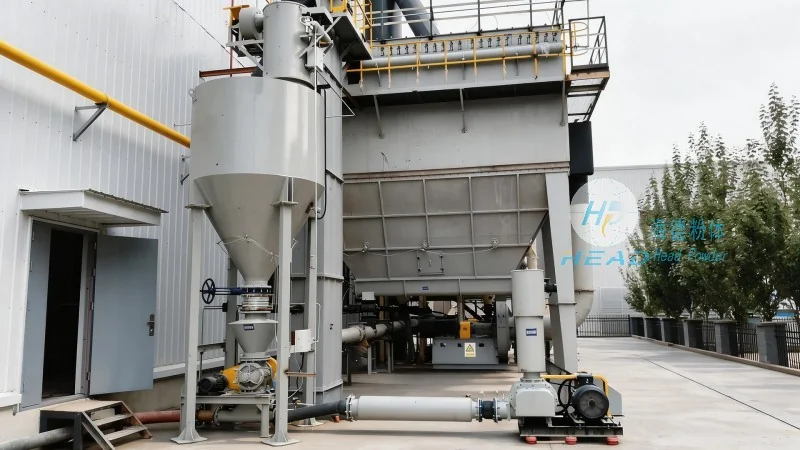
5. Bucket Elevators
Bucket elevators are vertical or inclined conveyors that use a series of buckets attached to a chain or belt to transport small materials. The buckets are filled at the bottom of the elevator and then lifted vertically or at an angle, carrying the material to the top where it is discharged. This method is particularly effective for handling free-flowing materials like powders and granules, as the buckets provide a secure container that prevents material spillage. Bucket elevators are commonly used in industries such as agriculture, food processing, and chemical manufacturing, where vertical transport is required. The key advantages include high vertical lifting capacity, the ability to handle abrasive materials, and the efficiency of moving materials over long vertical distances. However, they may not be suitable for very fine powders that can clog the buckets or for materials that are highly sticky, as this can lead to blockages and reduced performance. Proper maintenance, including regular cleaning and inspection of the buckets and chain, is essential to ensure reliable operation.
6. Screw Feeders and Metering Systems
Screw feeders and metering systems are specialized equipment used for precise control of small material flow rates. These systems typically consist of a screw conveyor with adjustable speed or capacity controls, allowing for accurate dosing of materials. They are commonly used in applications where consistent material feed is critical, such as in mixing, blending, and packaging processes. Screw feeders are particularly effective for handling fine powders and granules, as they can provide a controlled and uniform flow rate. The design of screw feeders allows for easy adjustment of the feed rate by changing the screw speed or pitch, making them versatile for different production requirements. The primary benefits include high accuracy, low wear, and the ability to handle a wide range of materials. However, they may not be suitable for very abrasive or sticky materials, as this can lead to increased wear on the screw and housing. Proper maintenance, including regular lubrication and inspection of the screw components, is necessary to maintain performance and prevent clogging.