

Principle and Working Scene Characteristics of Loess Powder Pneumatic Conveying Equipment
Loess powder pneumatic conveying equipment is a specialized system designed for the efficient and reliable transport of fine powders, particularly those with characteristics typical of loess, such as high fineness, low bulk density, and potential for dust generation. This equipment is engineered to handle materials like loess, which are common in construction, mining, and environmental remediation applications. The system combines pneumatic conveying technology with advanced engineering to ensure safe, clean, and efficient material movement, addressing the unique challenges posed by loess and other fine powders.

About HeadPowder: Your Specialist in Pneumatic Conveying Solutions
HeadPowder, a leading manufacturer based in Shandong, China, specializes in the design, development, and production of high-quality pneumatic conveying equipment. With a strong commitment to innovation and customer satisfaction, HeadPowder has established itself as a trusted partner for industries requiring reliable material handling solutions. The company’s headquarters and primary operations are located in Shandong, China, where it leverages local expertise and resources to deliver cutting-edge equipment tailored to specific industry needs.
The Working Principle of Loess Powder Pneumatic Conveying Equipment
The core of loess powder pneumatic conveying equipment lies in its pneumatic conveying mechanism, which utilizes air as the medium to transport the powder. The system typically operates on either positive or negative pressure, depending on the application requirements. In positive pressure systems, air is forced through the conveying line, carrying the powder particles from the source to the destination. Negative pressure systems, on the other hand, create a vacuum that draws the powder into the conveying line. The choice between these systems depends on factors such as the distance of transport, the type of material, and the need for dust control. The equipment includes key components such as a hopper for material storage, a blower or fan to generate the air flow, a conveying line to transport the powder, and a receiver or discharge point where the material is deposited. The design of these components is optimized to minimize pressure drops, reduce energy consumption, and ensure consistent material flow, even for fine powders like loess.
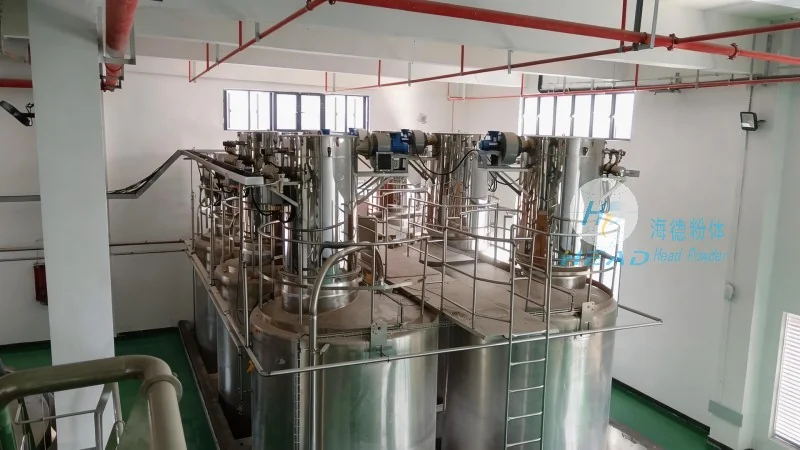
Key Features and Advantages of Loess Powder Pneumatic Conveying Systems
Loess powder pneumatic conveying systems offer several advantages over traditional mechanical conveying methods. One of the primary benefits is the ability to transport materials over long distances without the need for intermediate transfer points, which reduces the risk of material degradation and contamination. The system is also highly flexible, allowing for changes in the conveying route or capacity without major modifications. Additionally, pneumatic conveying is effective in controlling dust, as the material is enclosed within the conveying line, preventing it from being released into the environment. This is particularly important for loess, which can be a source of airborne dust that may affect air quality and worker health. The equipment is also easy to clean and maintain, with components that can be disassembled and cleaned to prevent material buildup and clogging. Furthermore, the system can be integrated with other processes, such as mixing, drying, or screening, to create a comprehensive material handling solution.
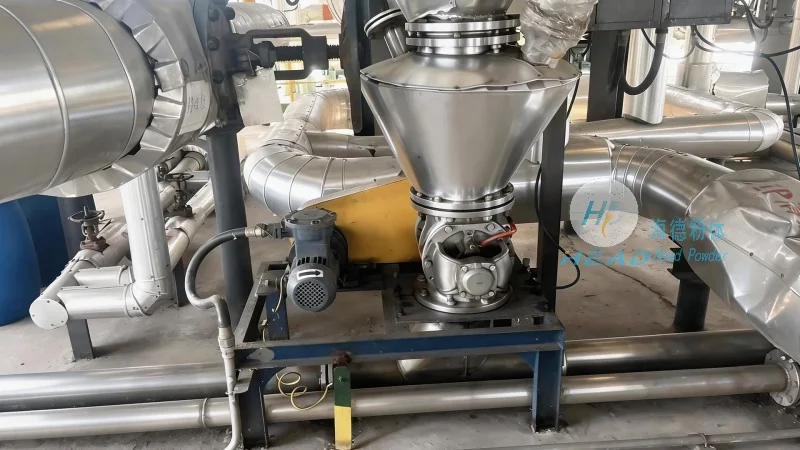
Working Scene Characteristics: Applications and Use Cases
The working scene characteristics of loess powder pneumatic conveying equipment are tailored to specific industrial applications where fine powders need to be transported efficiently and safely. These applications include construction sites, where loess is used as a raw material for building materials like bricks or cement; mining operations, where loess is processed as part of ore extraction or tailings management; and environmental remediation projects, where loess is used to stabilize contaminated soils or as a filter material. In construction, the equipment is used to transport loess from storage silos to mixing plants or batching stations, ensuring a consistent supply of material for concrete production. In mining, it helps in the transport of loess from processing facilities to storage areas or for disposal, reducing the need for manual handling and minimizing the risk of dust exposure. In environmental remediation, the system is used to convey loess for soil stabilization, which is crucial for preventing erosion and improving soil quality. The working scene characteristics also include the ability to handle varying material conditions, such as different moisture levels or particle sizes, by adjusting the air flow and pressure settings. This adaptability makes the equipment suitable for a wide range of loess-based applications, ensuring reliable performance under different operational conditions.
Conclusion: Reliable and Efficient Loess Powder Handling with HeadPowder
Loess powder pneumatic conveying equipment, as provided by HeadPowder, offers a reliable and efficient solution for the transport of fine powders in various industrial applications. By leveraging advanced pneumatic conveying technology, the system ensures safe, clean, and energy-efficient material handling, addressing the unique challenges posed by loess and other fine powders. HeadPowder’s expertise in designing and manufacturing high-quality equipment, combined with its commitment to customer satisfaction, makes it a leading choice for industries requiring dependable material handling solutions. With operations based in Shandong, China, HeadPowder continues to deliver innovative and effective solutions for loess powder handling, supporting the needs of its clients in construction, mining, and environmental remediation sectors.