

Principle and Working Scenario Characteristics of Pneumatic Conveying for Dry Limestone Materials
HeadPowder, a leading engineering company based in Shandong, China, specializes in advanced material handling solutions. The company's expertise lies in pneumatic conveying systems, particularly for handling dry limestone materials. This article explores the fundamental principles of pneumatic conveying and highlights key working scenario characteristics that define its application in industrial settings.
Principle of Pneumatic Conveying for Dry Limestone Materials
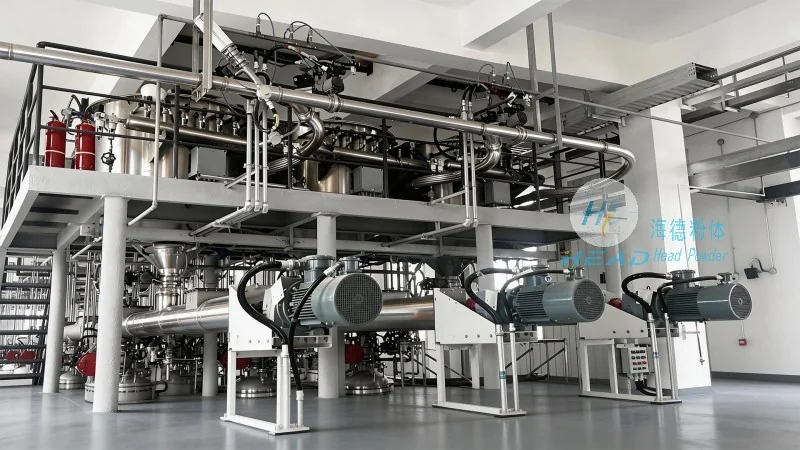
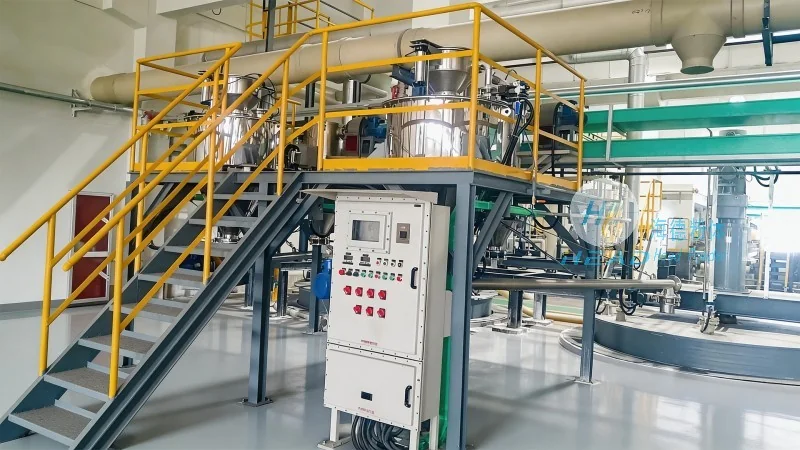
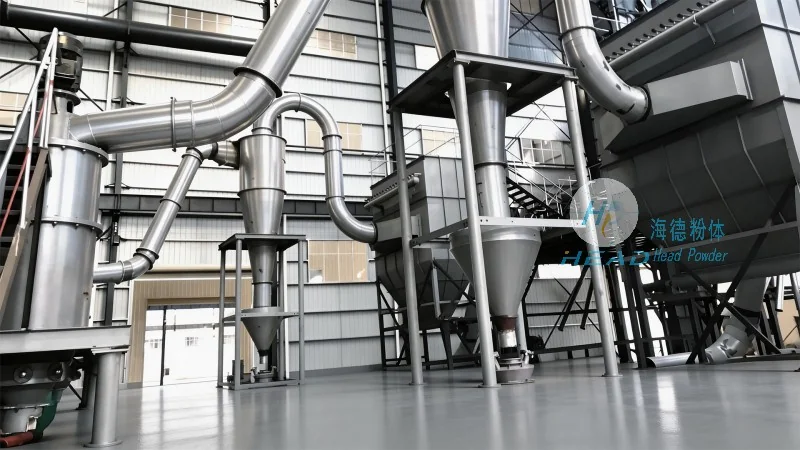
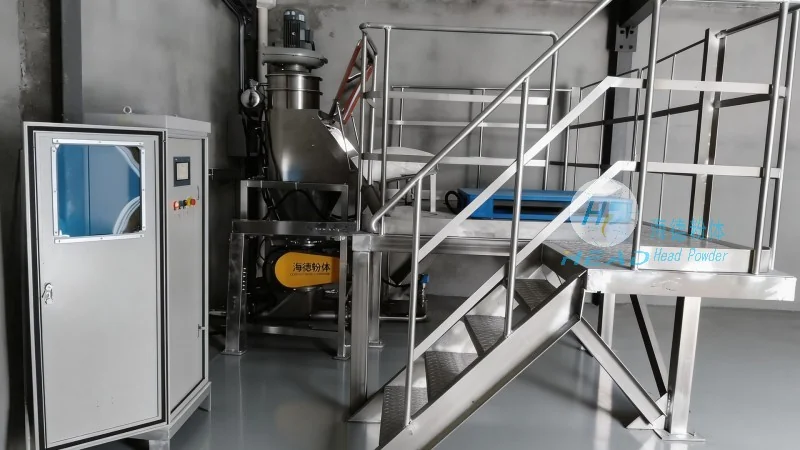
Pneumatic conveying, also known as air conveying, is a method of transporting bulk materials through a pipeline using air or gas as the conveying medium. For dry limestone, which is typically a fine or granular material, this technology offers several advantages over traditional methods like belt conveyors or bucket elevators. The core principle involves creating a pressure differential within the pipeline, either by suction (negative pressure) or pressure (positive pressure), to move the material along with the air stream. The process relies on the interaction between the material particles and the air flow, ensuring efficient and continuous transport. Key components of a pneumatic conveying system include the hopper, feeder, pipeline, and receiver. The hopper stores the limestone, while the feeder controls the flow rate. The pipeline transports the material, and the receiver collects the discharged limestone at the destination. The air flow is managed by a blower or fan, which provides the necessary pressure or suction to move the material. For dry limestone, which has a relatively low bulk density and can be prone to dust generation, the design of the system must consider factors like air velocity, particle size distribution, and moisture content to prevent blockages and ensure smooth operation.
Working Scenario Characteristics of Pneumatic Conveying Systems for Dry Limestone
The working scenario characteristics of pneumatic conveying systems for dry limestone are influenced by several factors that impact system performance and efficiency. One of the primary characteristics is the material's physical properties, such as particle size, density, and moisture content. Dry limestone is often a fine powder or small granules, which can affect the air velocity required to maintain a stable flow. For example, smaller particles may require higher air velocities to prevent settling or bridging in the pipeline. The system design must account for these variations to ensure consistent conveying rates. Another important characteristic is the distance and elevation change between the source and destination points. Pneumatic conveying systems can handle both horizontal and vertical transport, but the pressure drop over the pipeline length and elevation must be carefully calculated to avoid excessive energy consumption or system failure. The system's capacity and throughput are also critical working scenario characteristics. Depending on the application, the system may need to transport varying amounts of limestone, from low to high flow rates. The design must accommodate these variations by selecting appropriate components like the feeder and blower. Additionally, the system's reliability and maintenance requirements are key considerations. Pneumatic conveying systems for dry limestone are generally more compact and require less space compared to traditional methods, making them suitable for applications with limited floor space. However, they may require more frequent maintenance of components like the feeder and air filters due to the abrasive nature of limestone particles. The environmental impact is another working scenario characteristic. Pneumatic conveying systems can help reduce dust emissions compared to open conveyors, but proper sealing and filtration are necessary to minimize air pollution. Overall, the working scenario characteristics of pneumatic conveying for dry limestone highlight the importance of system design and operation to achieve optimal performance and meet industrial requirements.