

Principles and Application Scenarios of Pneumatic Conveying for Molybdenum Concentrate Powder
HeadPowder, a leading engineering firm based in Shandong, China, specializes in the design and implementation of advanced material handling systems. This article delves into the principles and operational characteristics of pneumatic conveying for molybdenum concentrate powder, a critical component in the mining and metallurgical industries.
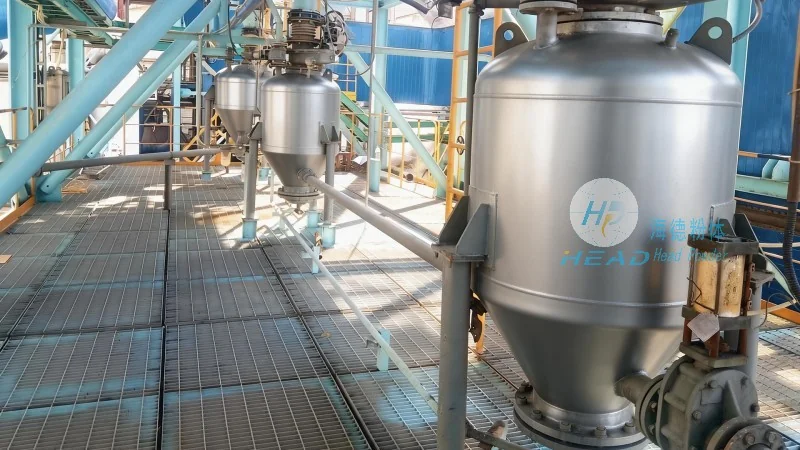
Understanding Pneumatic Conveying Systems
Pneumatic conveying, also known as air conveying, is a method of transporting bulk materials through a pipeline using pressurized or suction air. For molybdenum concentrate powder, this technology offers a highly efficient and flexible solution compared to traditional mechanical conveying methods. The core principle involves generating airflow within a closed system to move the powder particles from one location to another. This process can be categorized into two main types: pressure and vacuum systems, each with distinct advantages and applications.
Key Principles of Molybdenum Concentrate Powder Pneumatic Conveying
The effectiveness of pneumatic conveying for molybdenum concentrate powder hinges on several key principles. Firstly, the material's particle size and density are critical factors. Molybdenum concentrate typically consists of fine particles, which require precise control of air velocity to prevent blockages and ensure smooth flow. Secondly, the system's pressure differential plays a vital role. In pressure systems, compressed air is introduced at the material inlet, creating a positive pressure that pushes the powder through the pipeline. Conversely, vacuum systems use a vacuum at the discharge end to draw the material from the source. The choice between these systems depends on the distance, elevation changes, and material characteristics involved.
Advantages of Pneumatic Conveying for Molybdenum Concentrate Powder
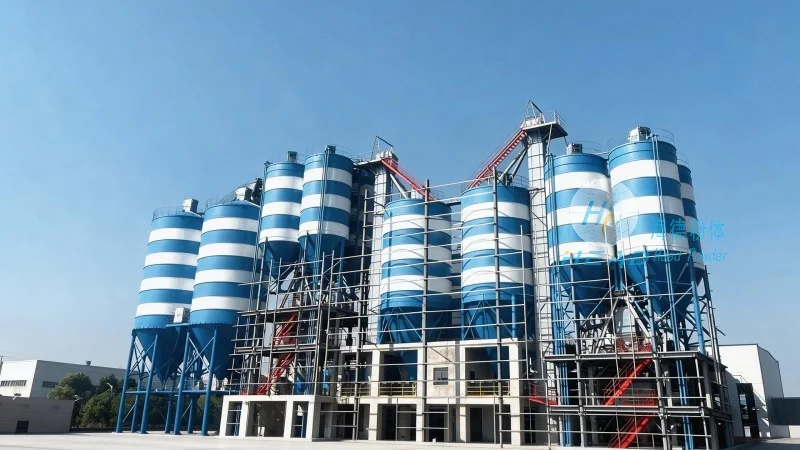
Implementing pneumatic conveying for molybdenum concentrate powder brings numerous benefits. One of the most significant advantages is the ability to handle fine powders without the need for additional equipment like buckets or belts, which can cause contamination or degradation. The enclosed system also minimizes dust exposure, enhancing workplace safety and compliance with environmental regulations. Additionally, pneumatic conveying systems are highly adaptable, allowing for easy integration with existing processing facilities and the ability to transport materials over long distances with minimal maintenance.
Common Application Scenarios
Molybdenum concentrate powder pneumatic conveying is widely used in various industrial settings. A primary application is in the processing plants where the concentrate is transported from storage silos to processing units, such as grinding mills or flotation plants. This ensures a continuous and clean supply of material, which is essential for maintaining production efficiency. Another common scenario involves the transfer of molybdenum concentrate between different stages of the production line, such as from a crusher to a conveyor system or from a storage hopper to a furnace. The flexibility of pneumatic systems allows for seamless integration into these processes, reducing downtime and improving overall operational flow.
Operational Considerations and Best Practices
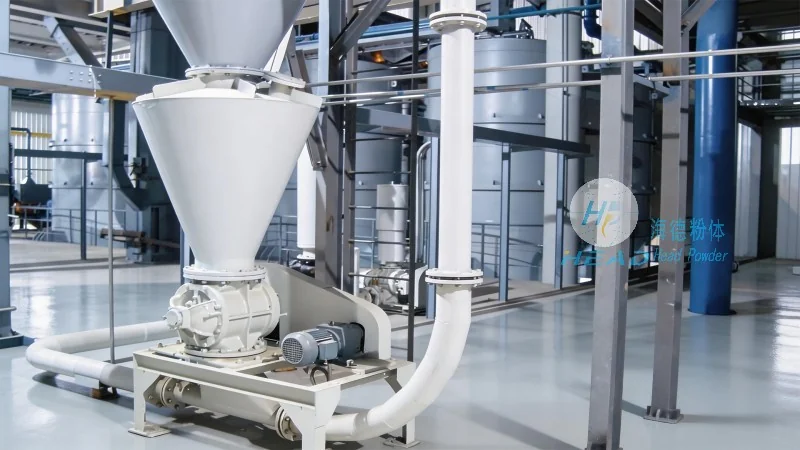
When designing and operating pneumatic conveying systems for molybdenum concentrate powder, several considerations must be taken into account to ensure optimal performance. Proper pipeline sizing is crucial to maintain the correct air velocity, which prevents particle settling and blockages. The use of appropriate filters and cyclones at the discharge end is essential to separate the material from the air and prevent dust accumulation in the system. Regular maintenance, including cleaning of filters and checking for air leaks, is necessary to maintain system efficiency and longevity. Additionally, monitoring pressure and flow rates in real-time helps in identifying potential issues early, allowing for timely adjustments to prevent system failures.
Conclusion
HeadPowder's expertise in pneumatic conveying systems for molybdenum concentrate powder highlights the technology's importance in modern material handling. By understanding the principles and application scenarios outlined above, industries can leverage this efficient method to enhance their operational efficiency, improve safety, and maintain high-quality material transfer. As a trusted partner in engineering solutions, HeadPowder continues to provide tailored systems that meet the specific needs of clients in the mining and metallurgical sectors.