

Principles and Application Scenarios of Pneumatic Conveying for Wet Sodium Nitrate Materials
For industries dealing with wet sodium nitrate materials, efficient material handling is crucial to ensure smooth production processes and maintain product quality. Pneumatic conveying technology offers a reliable solution for transporting such materials, and understanding its principles and application scenarios is essential for optimizing operational efficiency.
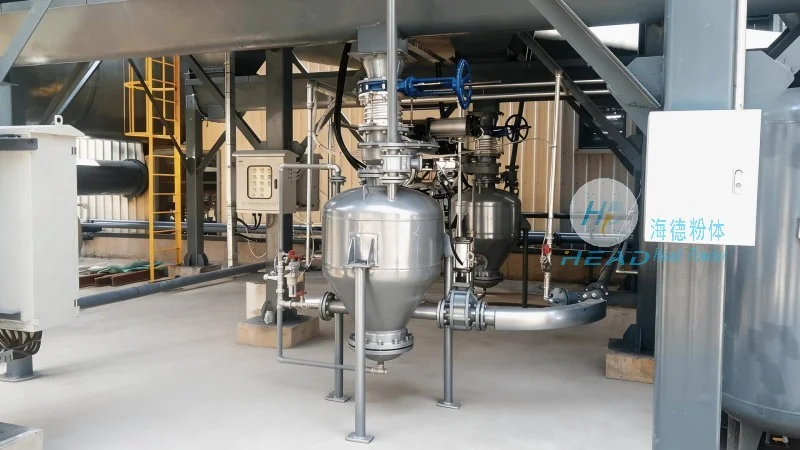
Understanding Pneumatic Conveying Principles for Wet Sodium Nitrate
Pneumatic conveying involves the use of air to transport bulk materials through a pipeline system. In the case of wet sodium nitrate, which may contain moisture or other additives, the conveying process requires specific considerations to maintain material integrity and prevent clogging or degradation. The core principle is to create a pressure differential that moves the material along the pipeline using air flow. This method is particularly effective for materials that are hygroscopic or have a tendency to clump, as the air flow helps to break up agglomerates and keep the material in a fluidized state.
Key Components and System Design
The pneumatic conveying system for wet sodium nitrate typically consists of several key components, including a material feeder, a conveyor line, a dust collector, and a control system. The material feeder is designed to handle the wet sodium nitrate, ensuring a consistent feed rate to the conveyor line. The conveyor line is usually made of materials resistant to corrosion and wear, such as stainless steel or special alloys, to withstand the chemical properties of sodium nitrate. The dust collector is essential to capture any fine particles that may be generated during the conveying process, ensuring compliance with environmental regulations and maintaining air quality in the workplace. The control system monitors and regulates the air pressure, flow rate, and material feed rate to optimize the conveying process and prevent system failures.
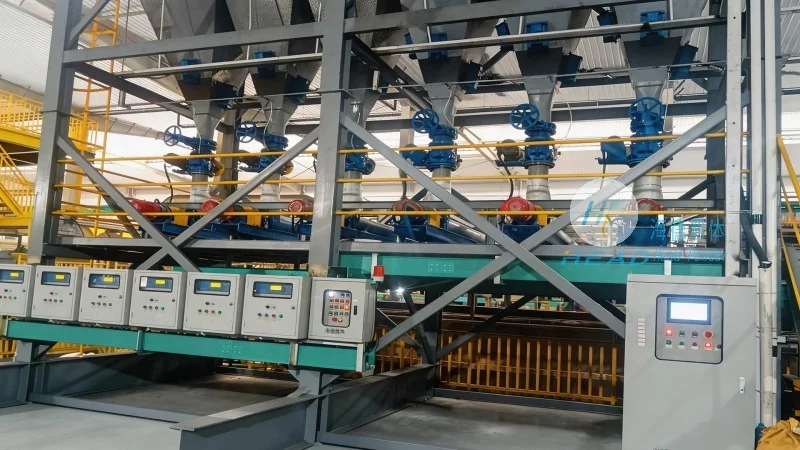
Application Scenarios and Operational Benefits
Wet sodium nitrate is commonly used in various industries, including fertilizer production, chemical manufacturing, and food processing. The application scenarios for pneumatic conveying in these industries vary based on the specific requirements of the process. For example, in fertilizer production, the material may need to be conveyed from storage silos to processing units or packaging lines. In chemical manufacturing, the conveying system may be integrated with other processing equipment to ensure a continuous flow of raw materials. The operational benefits of using pneumatic conveying for wet sodium nitrate include reduced labor costs, increased safety due to enclosed systems, and improved product quality by minimizing exposure to contaminants. Additionally, the system can be scaled to accommodate different production volumes, making it a flexible solution for various industrial applications.
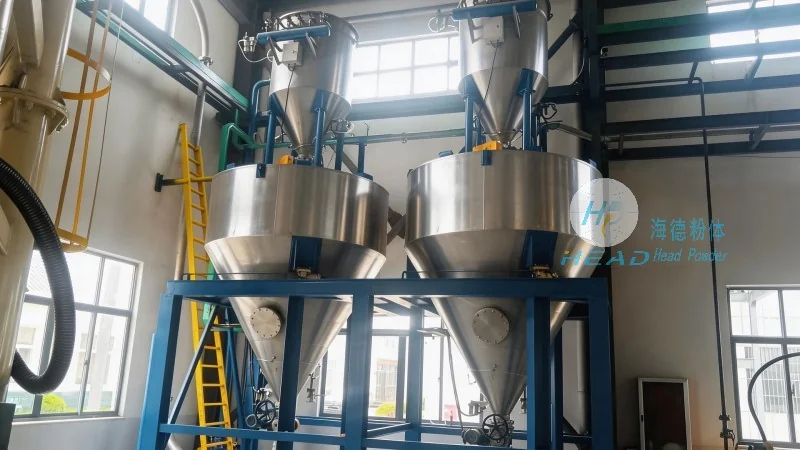
Case Study: Successful Implementation by Shandong HeadPowder Engineering Co., Ltd.
Shandong HeadPowder Engineering Co., Ltd., a leading provider of material handling solutions, has successfully implemented pneumatic conveying systems for wet sodium nitrate in multiple projects. One notable case involved a fertilizer plant that required the efficient transport of wet sodium nitrate from storage to processing units. The company designed a customized system that included a high-capacity material feeder, a long-distance conveyor line, and an advanced control system. The system was able to handle the wet sodium nitrate with minimal clogging and high material recovery rates, resulting in significant improvements in production efficiency and product quality. The success of this project highlights the expertise of Shandong HeadPowder in designing and implementing effective pneumatic conveying solutions for challenging materials like wet sodium nitrate.
Conclusion and Future Considerations
Pneumatic conveying is a proven technology for handling wet sodium nitrate materials, offering numerous benefits over traditional methods such as belt conveyors or bucket elevators. By understanding the principles and application scenarios of this technology, industries can optimize their material handling processes and improve overall operational performance. As the demand for efficient and reliable material transport systems continues to grow, companies like Shandong HeadPowder Engineering Co., Ltd. are at the forefront of developing innovative solutions that meet the evolving needs of the industry. With their expertise in system design and implementation, they provide comprehensive support to ensure that clients achieve the best possible results from their pneumatic conveying systems.