

Principle and Working Scene Characteristics of Pulverized Fly Ash Material Pneumatic Conveying Equip
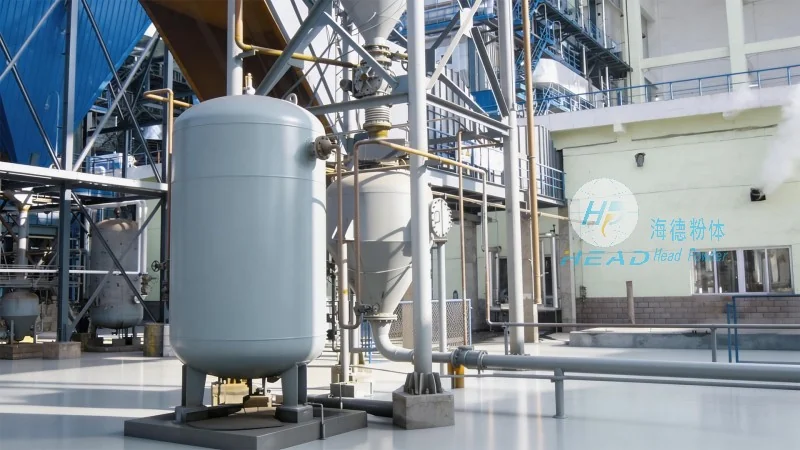
HeadPowder, a leading provider of industrial material handling solutions, specializes in the design and manufacturing of advanced pneumatic conveying systems tailored for the efficient transport of pulverized fly ash. This article explores the fundamental principles behind such equipment and highlights the key working scene characteristics that make them indispensable in modern industrial applications.
Introduction to Pneumatic Conveying Systems for Fly Ash
Pulverized fly ash, a byproduct of coal combustion in thermal power plants, poses unique challenges for material handling due to its fine particle size and abrasive nature. Traditional bulk material handling methods, such as belt conveyors or screw conveyors, often struggle with dust generation, clogging, and maintenance issues when dealing with fly ash. Pneumatic conveying systems offer a solution by utilizing air to transport the material through a network of pipes, providing a dust-free, efficient, and flexible method of material transport.
Company Overview: Shandong HeadPowder Engineering Co., Ltd.
HeadPowder, headquartered in Shandong, China, is a reputable engineering company dedicated to delivering high-quality industrial equipment. With years of experience in the field, the company has established itself as a trusted partner for businesses seeking reliable solutions for material handling challenges. The company's commitment to innovation and customer satisfaction has enabled it to develop cutting-edge pneumatic conveying systems that meet the diverse needs of various industrial sectors.
The Working Principle of Pneumatic Conveying Equipment
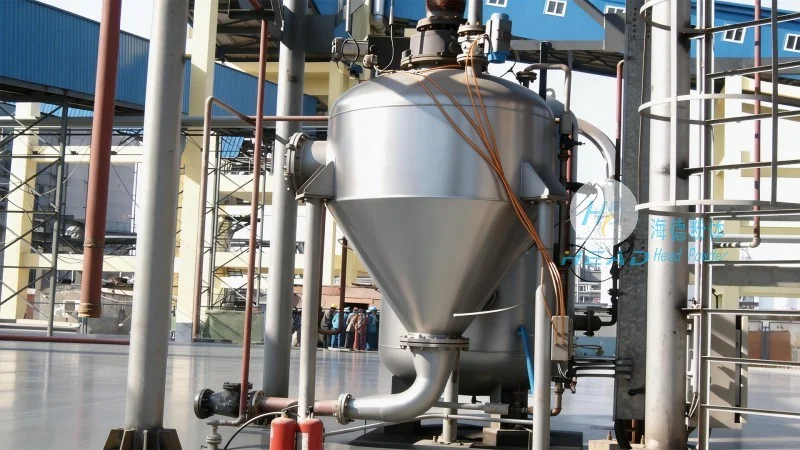
The core principle of pneumatic conveying for fly ash involves the use of a pressure differential to move the material through a pipeline. There are two primary types of systems: positive pressure and negative pressure. In positive pressure systems, a blower or fan generates high-pressure air that propels the fly ash particles through the pipeline. The air and material mixture then passes through a separator, where the material is collected and the air is either recycled or vented. Negative pressure systems, on the other hand, use a vacuum to draw the material into the pipeline, with the air and material mixture being drawn through a filter or cyclone for separation.
Key components of a pneumatic conveying system include the air source (blower or vacuum pump), the conveying pipeline (made of materials like stainless steel or plastic to resist corrosion and abrasion), the separation equipment (cyclones or filters), and the control system (which regulates the air flow and pressure). The design of these components is critical to ensure efficient and reliable operation, especially when handling fine and abrasive materials like fly ash.
Working Scene Characteristics of Fly Ash Pneumatic Conveying Systems
The application of pneumatic conveying systems for fly ash varies across different industrial settings, each with its own unique requirements and benefits. In thermal power plants, these systems are used to transport fly ash from the boiler to storage silos or for further utilization in cement production. The systems are designed to handle large volumes of material while maintaining low operating costs and minimal environmental impact.
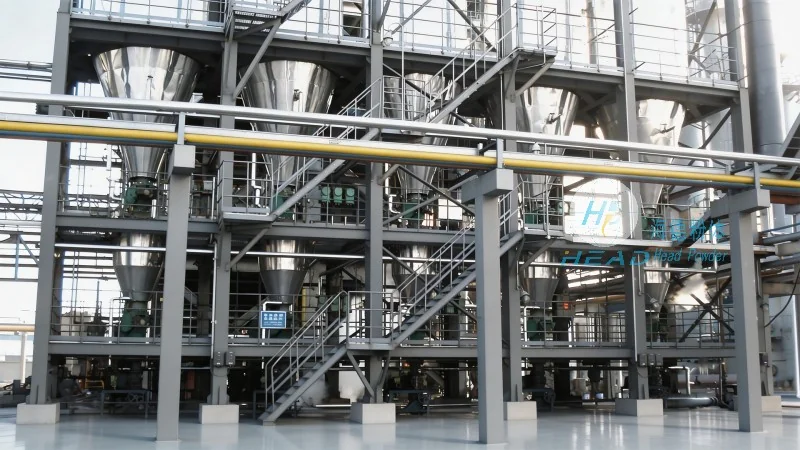
In cement factories, fly ash is often used as a supplementary cementitious material (SCM) to improve the properties of concrete. Pneumatic conveying systems enable the precise and controlled addition of fly ash to the production process, ensuring consistent quality and reducing the risk of contamination. The systems are typically integrated with the existing plant infrastructure, allowing for seamless operation and minimal disruption to production schedules.
Another important application is in the construction and infrastructure sectors, where fly ash is used as a raw material in the production of lightweight aggregates or as a component in soil stabilization projects. Pneumatic conveying systems provide a flexible and efficient method for transporting fly ash to construction sites, ensuring that the material is delivered in a timely manner and in the required quantities.
Advantages and Considerations in Fly Ash Pneumatic Conveying
One of the primary advantages of pneumatic conveying systems for fly ash is their ability to handle fine and abrasive materials without causing significant wear and tear on equipment. The closed pipeline system also helps to minimize dust emissions, contributing to a cleaner and safer working environment. Additionally, these systems offer high flexibility, allowing for changes in the material flow direction or volume without major modifications to the infrastructure.
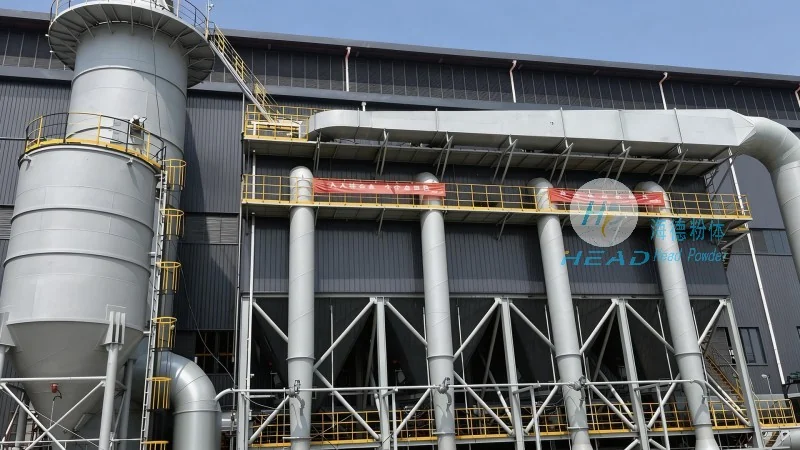
However, the design and operation of pneumatic conveying systems for fly ash require careful consideration of several factors. The particle size distribution and moisture content of the fly ash can affect the system's performance, as larger or wetter particles may cause clogging or reduced efficiency. Proper maintenance, including regular cleaning of the pipeline and separator, is essential to ensure long-term reliability. Furthermore, the selection of the appropriate air source and pressure levels is critical to optimize energy consumption and minimize operational costs.
Conclusion
Pneumatic conveying equipment for pulverized fly ash is a vital component in modern industrial operations, offering an efficient and reliable method for material transport. With its ability to handle fine and abrasive materials while maintaining low environmental impact, these systems are increasingly being adopted across various industries. HeadPowder, with its expertise and commitment to quality, continues to provide innovative solutions that meet the evolving needs of its clients, ensuring that the efficient handling of fly ash remains a priority in industrial applications.