

Principle and Working Scene Characteristics of Pneumatic Conveying Lines for Plastic Granule Materia
HeadPowder, a leading engineering company based in Shandong, China, specializes in the design and implementation of advanced pneumatic conveying systems tailored for plastic granule materials. These systems represent a critical solution for efficient material handling in various industrial applications, offering a reliable method to transport plastic granules from one location to another without the need for traditional mechanical components like belts or screws.
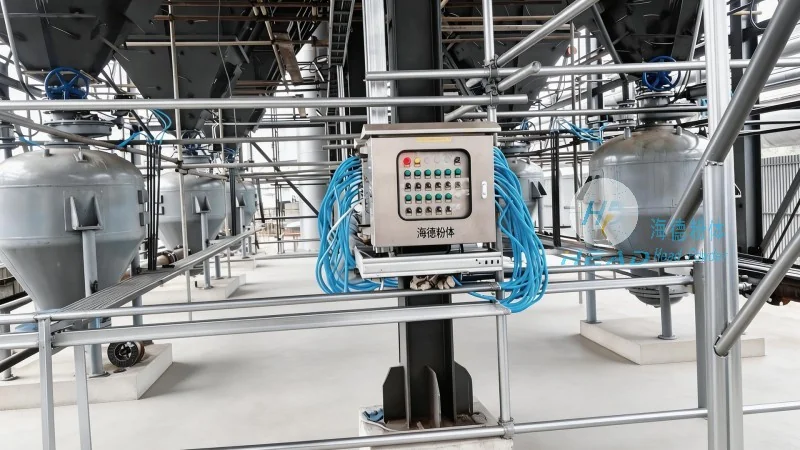
Principle of Pneumatic Conveying for Plastic Granules
The core principle of pneumatic conveying for plastic granules involves the use of air or gas as the medium to transport the material. This process typically operates under either positive pressure (where air is forced through the system) or negative pressure (where air is drawn out, creating a vacuum). The system comprises several key components, including a hopper for material storage, a conveyor line (often a pipeline), a fan or blower to generate the air flow, and a discharge point where the material is released. The design of the system is crucial, as it must ensure that the plastic granules are conveyed without degradation, clogging, or excessive wear on the equipment. HeadPowder’s engineering expertise focuses on optimizing these components to achieve efficient, low-maintenance operation for plastic granule handling.
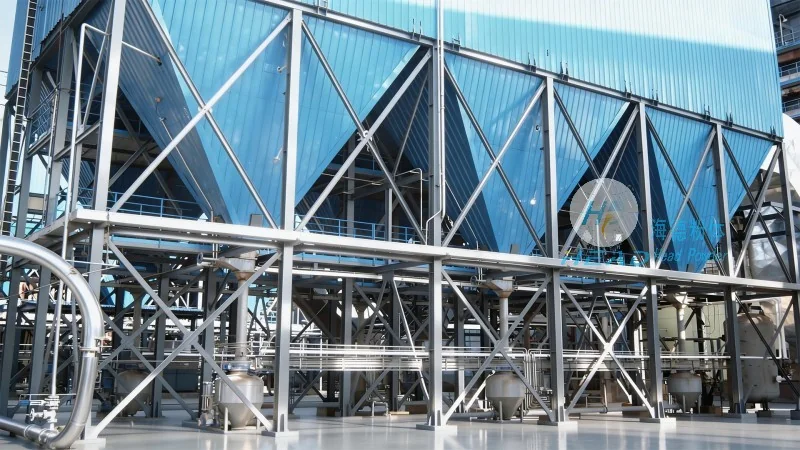
Working Scene Characteristics of Pneumatic Conveying Lines
The working scene characteristics of pneumatic conveying lines for plastic granules vary based on the specific application and the type of system used. For instance, in manufacturing facilities that process plastic resins, the system may need to handle large volumes of granules over long distances, requiring high-capacity fans and robust pipeline designs. In contrast, in smaller-scale operations like plastic recycling plants, the system might focus on precise, low-volume transport with minimal energy consumption. HeadPowder’s systems are adaptable to these diverse scenarios, ensuring that the conveying process aligns with the operational requirements of the client. Key characteristics include the ability to handle different plastic types (such as polyethylene, polypropylene, or polystyrene), the flexibility to integrate with existing production lines, and the capability to maintain material integrity throughout the conveying process. The systems also offer advantages such as reduced labor costs, minimized product contamination, and improved safety compared to manual or mechanical handling methods.
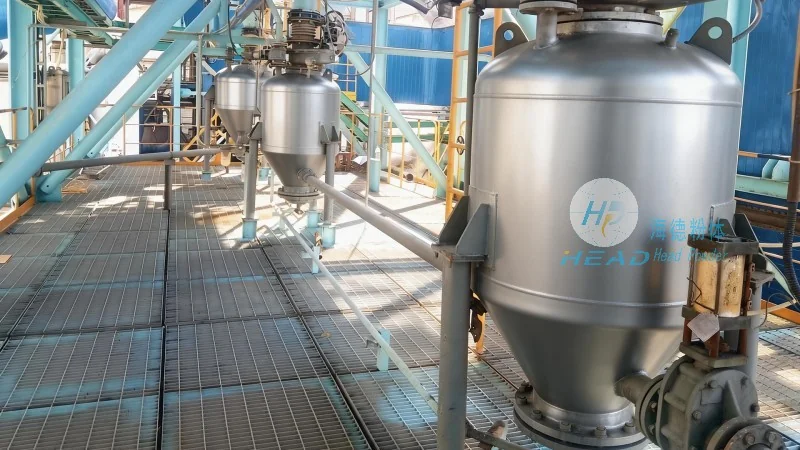
Key Features and Advantages of Plastic Granule Pneumatic Conveying Lines
When evaluating pneumatic conveying lines for plastic granules, several key features and advantages stand out. First, the systems provide a dust-free and enclosed environment, which is essential for maintaining product quality and preventing contamination in sensitive applications like food-grade or medical plastic production. Second, the technology allows for continuous and automated material transport, reducing downtime and increasing overall productivity. Third, the design of the pipeline and components minimizes the risk of material buildup or clogging, which can be common issues with traditional mechanical conveyors. HeadPowder’s engineering solutions incorporate advanced materials and design principles to address these challenges, ensuring long-term reliability and efficiency. Additionally, the systems are energy-efficient, with optimized air flow management that reduces operational costs over time. The company’s commitment to quality and customization ensures that each system is tailored to meet the unique needs of the client, whether it involves high-speed transport, low-speed precision, or integration with existing infrastructure.
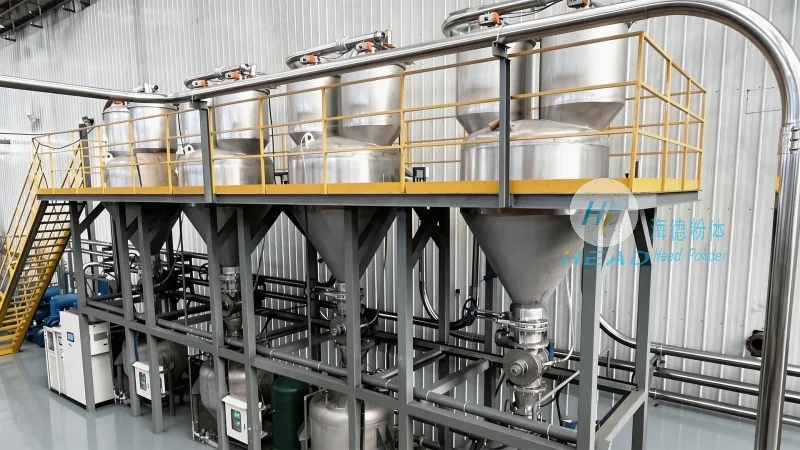
Application Examples and Case Studies
HeadPowder’s pneumatic conveying lines for plastic granules have been successfully implemented in a wide range of industrial applications. For example, in a large-scale plastic molding plant, the system was designed to transport 10 tons of polypropylene granules per hour over a distance of 200 meters, achieving a conveying efficiency of 98% with minimal energy consumption. In another case, a plastic recycling facility utilized a negative pressure system to transport recycled plastic granules from a hopper to a compounding machine, reducing manual handling and improving safety in the workplace. These examples highlight the versatility and effectiveness of pneumatic conveying systems in various industrial settings. The systems are particularly beneficial in environments where hygiene and product purity are paramount, such as in the production of medical plastics or food packaging materials. By leveraging the expertise of HeadPowder, clients can achieve optimized material handling solutions that enhance operational efficiency and product quality.