

Principle and Working Scene Characteristics of Continuous Material Pneumatic Conveying Equipment
HeadPowder, a leading provider in the field of material handling solutions, specializes in the design, manufacturing, and implementation of advanced pneumatic conveying systems. Based in Shandong, China, the company has established itself as a trusted partner for industries seeking efficient and reliable methods to transport bulk materials. This article delves into the core principles and distinctive working scene characteristics of continuous material pneumatic conveying equipment, highlighting how these systems enhance operational efficiency and adaptability across various industrial applications.
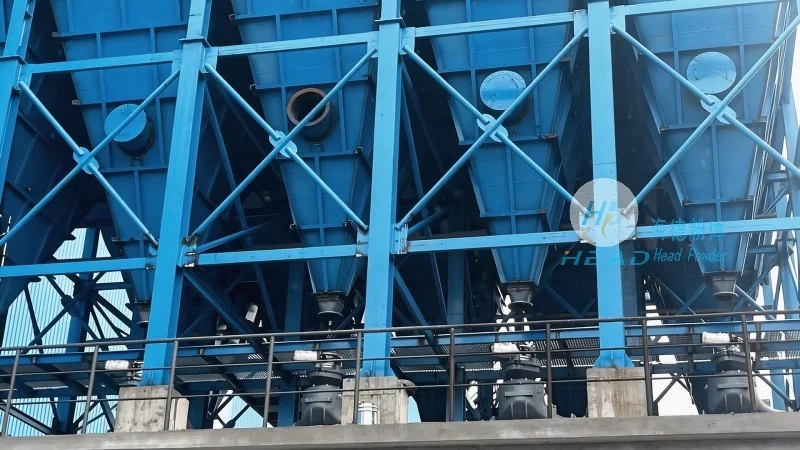
Overview of Continuous Material Pneumatic Conveying Equipment
Continuous material pneumatic conveying systems are engineered to transport bulk materials in a continuous flow, utilizing air or gas as the primary medium for movement. Unlike intermittent or batch systems, these equipment operate with a steady, unbroken stream of material, making them ideal for high-volume, long-distance transport tasks. The technology integrates several key components, including a feeding mechanism, a conveying line, a separation unit, and a discharge system, all working in harmony to ensure seamless material transfer. HeadPowder's expertise lies in customizing these systems to meet specific operational requirements, ensuring optimal performance and minimal downtime.
The Fundamental Principle of Pneumatic Conveying
The core principle behind continuous material pneumatic conveying is the use of differential pressure to move material through a pipeline. In a positive pressure system, air is forced into the conveying line, creating a pressure higher than the ambient air, which propels the material forward. Conversely, in a negative pressure (or vacuum) system, air is drawn out of the line, creating a vacuum that pulls material into the pipeline. Continuous systems typically employ a combination of these methods to maintain a consistent flow rate, ensuring that material is transported without interruption. The design of the conveying line, including its diameter, length, and inclination, plays a critical role in determining the system's efficiency and the pressure required to maintain the flow. HeadPowder's engineers meticulously calculate these parameters to ensure that the system operates within optimal pressure ranges, minimizing energy consumption and wear on components.
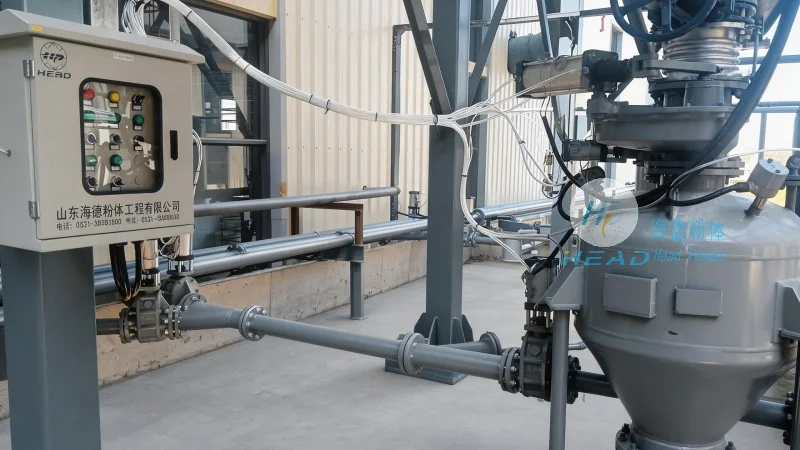
Key Working Scene Characteristics
Continuous material pneumatic conveying equipment exhibits several distinct characteristics that make it suitable for diverse industrial environments. Firstly, the system's ability to handle a wide range of materials, from fine powders to granules and even bulk solids, provides versatility across sectors such as food processing, pharmaceuticals, chemicals, and mining. Secondly, the continuous flow nature of the system reduces the risk of material buildup and clogging, which is a common issue in traditional belt or bucket elevators. This not only enhances safety but also improves overall productivity by minimizing maintenance interventions. Thirdly, the enclosed design of the conveying line prevents dust emissions and contamination, making it compliant with environmental regulations and suitable for applications where material purity is critical. HeadPowder's systems are designed with these characteristics in mind, ensuring that they meet the stringent requirements of modern industrial operations.
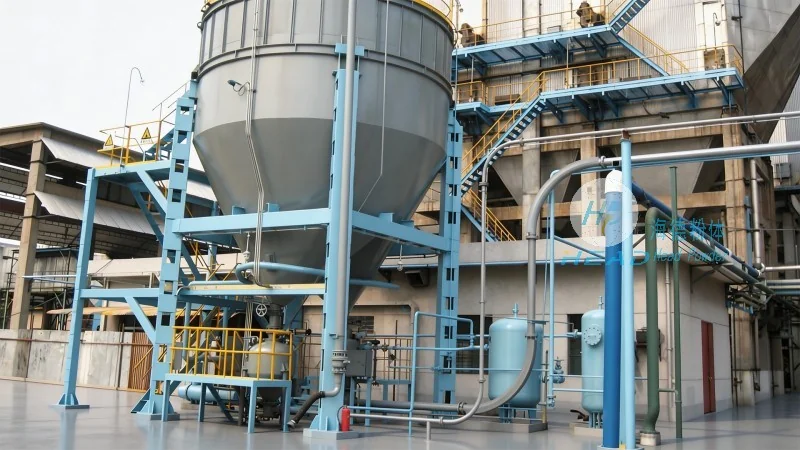
Application Scenarios and Operational Benefits
The working scene characteristics of continuous material pneumatic conveying equipment translate into significant operational benefits across various industries. In the food and beverage sector, for example, these systems are used to transport ingredients like flour, sugar, and spices with minimal risk of contamination, maintaining product quality and safety standards. In the pharmaceutical industry, the enclosed and sanitary design of the equipment ensures that materials are handled under controlled conditions, preventing cross-contamination and meeting regulatory requirements. In the chemical industry, the ability to handle abrasive materials without causing wear to the conveying line extends the system's lifespan and reduces maintenance costs. Additionally, the continuous flow capability allows for consistent production rates, enabling manufacturers to meet demand without interruptions. HeadPowder's continuous material pneumatic conveying systems are tailored to these specific needs, providing customized solutions that enhance operational efficiency and reduce overall costs for clients.
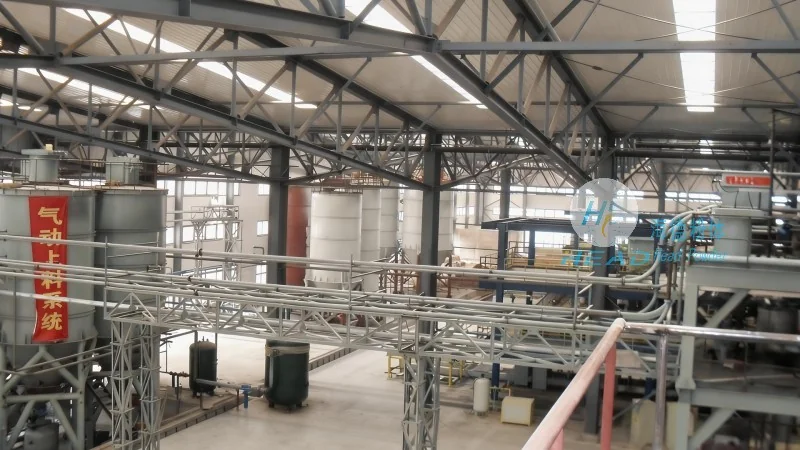
Customization and Integration Capabilities
HeadPowder recognizes that each industrial application has unique requirements, and thus, offers extensive customization options for continuous material pneumatic conveying equipment. The company's engineering team works closely with clients to understand their operational challenges and design systems that address specific needs. Customization may include adjustments to the conveying line diameter, the use of specialized materials for the pipeline (such as stainless steel or food-grade plastics), and the integration of advanced control systems for real-time monitoring and adjustment of flow rates. Additionally, HeadPowder can integrate these systems with existing production lines, ensuring seamless operation and minimal disruption during installation. The company's commitment to quality and innovation ensures that each customized system meets the highest standards of performance and reliability, providing long-term value to its clients.
Conclusion
Continuous material pneumatic conveying equipment, as exemplified by the solutions offered by Shandong HeadPowder Engineering Co., Ltd., represents a sophisticated and efficient approach to bulk material transport. By leveraging the fundamental principles of pneumatic conveying and incorporating advanced design features, these systems enhance operational efficiency, reduce costs, and improve safety across diverse industrial applications. HeadPowder's expertise in customizing and implementing these systems ensures that clients receive tailored solutions that meet their specific operational needs, contributing to their overall success in the competitive industrial landscape. With a focus on innovation and customer satisfaction, HeadPowder continues to be a leader in providing reliable material handling solutions worldwide.