

Principle and Working Scene Characteristics of Limestone Material Pneumatic Conveying Equipment
HeadPowder, a leading manufacturer based in Shandong, China, specializes in providing advanced pneumatic conveying solutions tailored for limestone material handling. This article explores the fundamental principles behind these systems and highlights the key characteristics of their operational environments.
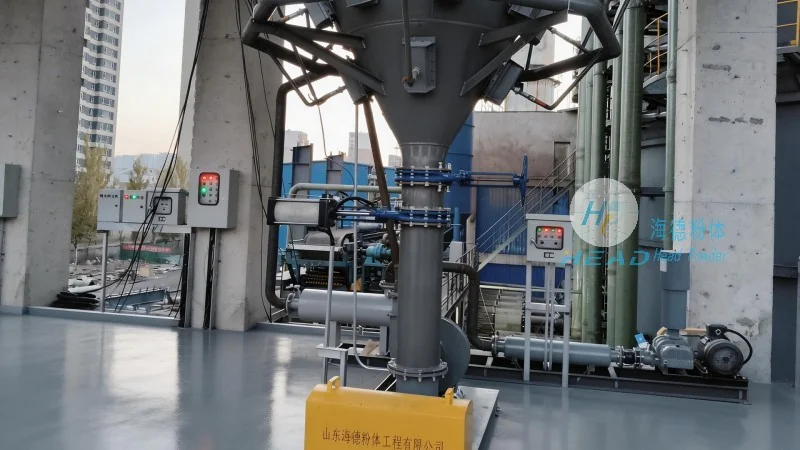
Principle of Limestone Material Pneumatic Conveying Equipment
Limestone material pneumatic conveying equipment operates on the principle of transporting bulk materials through a pipeline using a gas stream, typically air. The system can be categorized into two main types: positive pressure and negative pressure (or vacuum) systems. In a positive pressure system, air is forced under pressure through the material to be conveyed, while in a negative pressure system, the conveying line is maintained under a slight vacuum, drawing material into the system.
For limestone, which is often used in industrial processes such as cement production, flue gas desulfurization, and soil stabilization, the choice of pneumatic conveying system depends on several factors including material properties, required conveying distance, and environmental considerations. Limestone is typically a dry, free-flowing powder or granular material, but it can also be in a lumpy or dusty form. The conveying equipment must be designed to handle these variations efficiently, ensuring minimal material degradation and low operational costs.
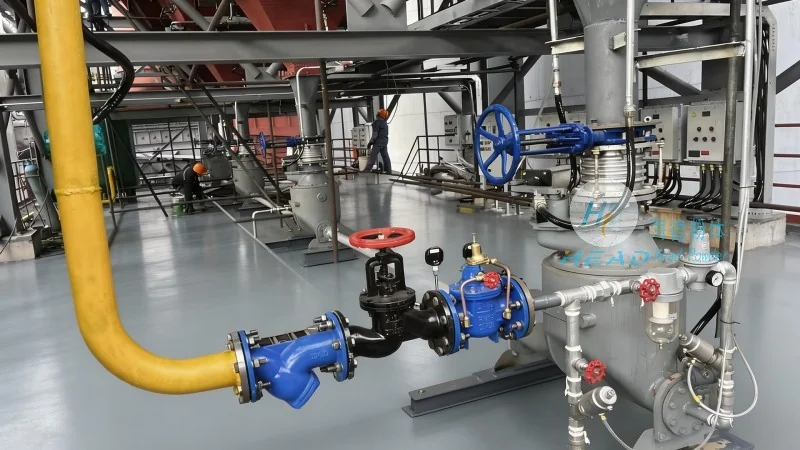
Working Scene Characteristics of Limestone Material Pneumatic Conveying Systems
The operational environments for limestone pneumatic conveying systems vary widely based on the application and scale of the industrial process. In cement manufacturing plants, for instance, these systems are crucial for transporting limestone from storage silos to grinding mills. The working scene here is characterized by high throughput requirements, often involving long-distance conveying (several hundred meters or more) and the need for consistent material flow to maintain production efficiency.
In flue gas desulfurization (FGD) facilities, limestone is used as a sorbent to remove sulfur dioxide from exhaust gases. The pneumatic conveying system in this context must handle the material under conditions of varying humidity and temperature, as the limestone may be pre-mixed with water or other reagents. The working environment is typically more controlled but still demands precise control over material delivery to the reaction tower.
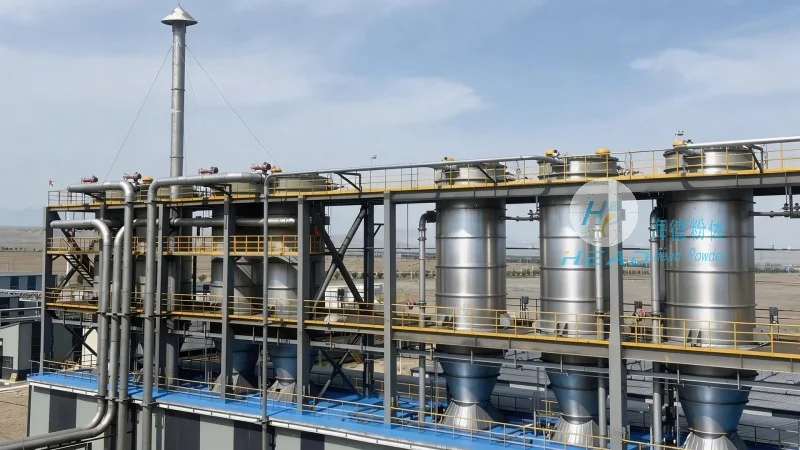
Another common application is in soil stabilization projects, where limestone is used to improve the structural integrity of soil. Here, the pneumatic conveying system may operate in outdoor or semi-outdoor settings, dealing with bulk material storage and transport to construction sites. The working scene is often characterized by irregular material flow due to varying project demands and site conditions.
Key Advantages in Diverse Operational Scenarios
Across these different working scenes, limestone material pneumatic conveying systems offer several advantages that make them a preferred choice over traditional methods like belt conveyors or bucket elevators. One of the primary benefits is the ability to transport material in a closed system, which minimizes dust emissions and environmental contamination. This is particularly important for limestone, which can be a source of fine dust that may affect air quality and worker health.
Another advantage is the flexibility in conveying distance and layout. Pneumatic systems can be easily adapted to complex plant layouts, including vertical and horizontal conveying, without the need for extensive structural modifications. This makes them suitable for both new installations and retrofitting in existing facilities.
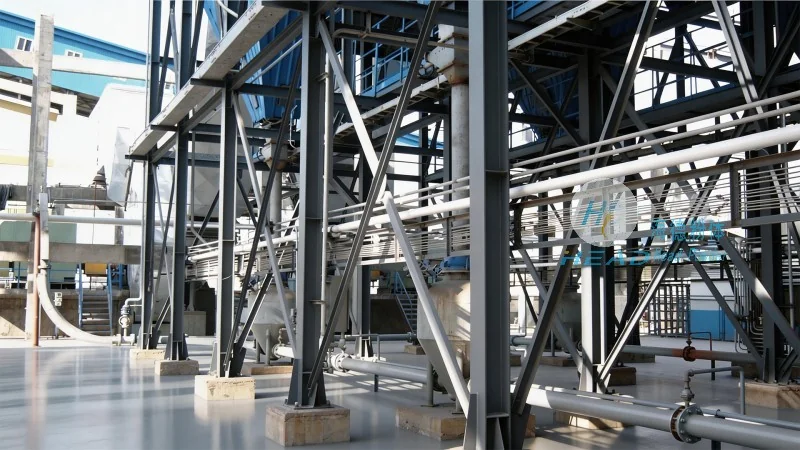
Operational efficiency is also a significant factor. By eliminating the need for multiple transfer points and reducing material handling time, these systems can increase overall production throughput. Additionally, the closed nature of the system reduces material loss and waste, contributing to cost savings and environmental sustainability.
Conclusion
HeadPowder's limestone material pneumatic conveying equipment exemplifies the integration of advanced engineering principles with practical industrial needs. By understanding the unique characteristics of limestone and the specific requirements of each operational environment, these systems provide reliable, efficient, and environmentally friendly solutions for material handling. Whether in cement production, environmental control, or construction applications, the principles and working scene characteristics of these systems ensure optimal performance and long-term operational success.