

Operation Process and Working Principle of Hydrogen Sulfide Pneumatic Conveying
Hydrogen sulfide (H₂S) is a highly toxic and corrosive gas commonly encountered in industrial processes, particularly in the oil and gas, petrochemical, and mining sectors. Pneumatic conveying systems offer a safe and efficient method for handling this hazardous material, ensuring minimal exposure to personnel and reducing the risk of leaks or spills. This article provides an in-depth exploration of the operation process and working principles of hydrogen sulfide pneumatic conveying systems, highlighting key components, operational steps, and the importance of proper system design and maintenance.
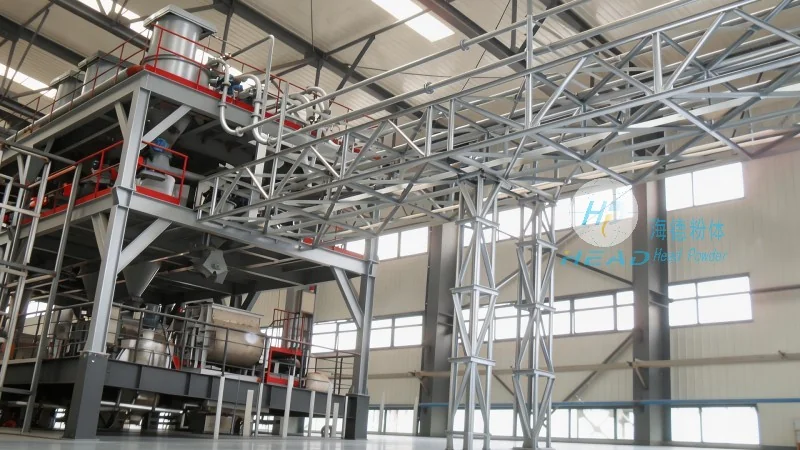
Understanding Hydrogen Sulfide Pneumatic Conveying
Before delving into the operational aspects, it is crucial to understand the nature of hydrogen sulfide and why specialized conveying systems are required. H₂S is a colorless gas with a strong, rotten-egg odor, and it poses severe health risks, including respiratory irritation, eye damage, and even death at high concentrations. Due to its corrosive properties, conventional mechanical conveying equipment is often unsuitable, as it can lead to material degradation and equipment failure. Pneumatic conveying, which uses air or other gases to transport solids or liquids, provides a non-contact method that minimizes direct exposure and ensures the integrity of the material being transported.
Key Components of a Hydrogen Sulfide Pneumatic Conveying System
A typical hydrogen sulfide pneumatic conveying system consists of several critical components that work in tandem to ensure safe and efficient operation. These components include:
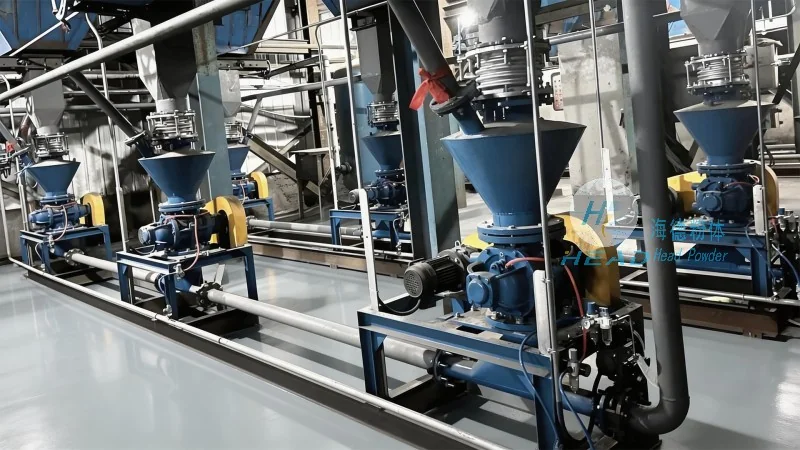
- Feed Hopper: A container that holds the hydrogen sulfide material to be conveyed. It is designed with corrosion-resistant materials, such as stainless steel or specialized coatings, to withstand the gas's aggressive nature.
- Conveying Line: A sealed pipe system that transports the material from the feed hopper to the discharge point. The line is typically made of materials like PTFE-coated steel or specialized alloys to prevent corrosion and ensure durability.
- Air Supply System: This component generates the necessary airflow to move the material through the conveying line. It includes a blower or compressor, air filters, and pressure regulators to maintain consistent air pressure and quality.
- Valves and Controls: These components regulate the flow of material and air within the system. They include check valves, flow control valves, and pressure relief valves to prevent backflow and ensure safe operation.
- Receiver or Discharge Hopper: The final component where the conveyed material is collected. It is equipped with venting and gas scrubbing systems to safely release any residual H₂S and prevent environmental contamination.
The Operation Process of Hydrogen Sulfide Pneumatic Conveying
The operation of a hydrogen sulfide pneumatic conveying system involves a series of sequential steps designed to transport the material safely and efficiently. The process typically begins with the material being loaded into the feed hopper. The system then activates the air supply, creating a high-pressure airflow that draws the material from the hopper and propels it through the conveying line. As the material travels, it is suspended in the air stream and transported to the receiver hopper. The air then passes through a filtration system to remove any fine particles before being released into the atmosphere or recirculated.
Working Principles of the System
The core working principle of pneumatic conveying is based on the momentum transfer between the air and the material particles. When the air is forced through the conveying line at a sufficient velocity, it creates a drag force that lifts and transports the material. The key factors influencing the system's performance include air velocity, material properties (such as density and particle size), and the system's pressure. Proper system design ensures that the air velocity is maintained above the material's terminal velocity, preventing clogging and ensuring smooth transport. Additionally, the system's pressure is carefully controlled to minimize energy consumption while maintaining the required transport efficiency.
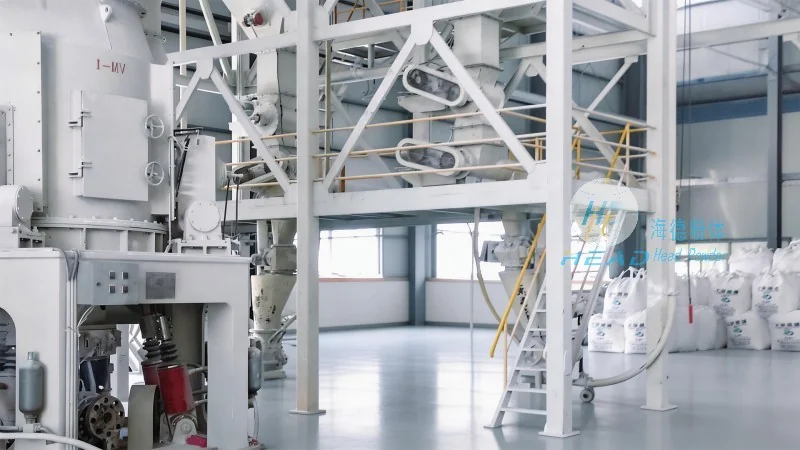
Importance of Proper System Design and Maintenance
For hydrogen sulfide pneumatic conveying systems to operate safely and reliably, proper design and regular maintenance are essential. The system must be constructed using materials that are resistant to corrosion and chemical attack from H₂S. Regular inspections and maintenance, including checks on air filters, valve functionality, and material flow, are critical to prevent system failures and ensure compliance with safety regulations. Additionally, the system should be equipped with safety features such as gas detectors, pressure relief valves, and emergency shut-off mechanisms to mitigate risks in case of malfunctions.
Shandong HeadPowder Engineering Co., Ltd.: Experts in Hydrogen Sulfide Pneumatic Conveying Solutions
Shandong HeadPowder Engineering Co., Ltd., a leading provider of industrial conveying solutions, specializes in designing and manufacturing customized hydrogen sulfide pneumatic conveying systems. With years of experience in the industry, the company understands the unique challenges associated with handling H₂S and provides tailored solutions that meet the specific needs of clients. HeadPowder's team of engineers and technicians work closely with clients to assess their operational requirements, material characteristics, and safety standards, ensuring that the final system is optimized for performance, safety, and efficiency. The company's commitment to quality and customer satisfaction has made it a trusted partner for businesses operating in the oil and gas, petrochemical, and mining sectors.