

Common Methods for Sawdust and Wood Chip Conveying
When it comes to transporting sawdust and wood chips, selecting the right conveying method is crucial for efficiency and cost-effectiveness in various industrial applications. The choice of system depends on factors such as material characteristics, production volume, and the specific requirements of the processing facility. Here, we explore the common methods used for sawdust and wood chip conveying, providing insights into their operation and suitability for different scenarios.

1. Screw Conveyors for Sawdust and Wood Chips
Screw conveyors, also known as auger conveyors, are widely used for the transport of sawdust and wood chips due to their simplicity and effectiveness. These systems consist of a rotating helical screw inside a U-shaped or tubular housing. The material is fed into the conveyor at one end, and as the screw rotates, it pushes the material forward towards the discharge point. Screw conveyors are particularly suitable for handling dry or moderately moist sawdust and wood chips, as they can maintain a consistent flow without the need for additional power beyond the motor driving the screw. The design allows for vertical or inclined transport, making them versatile for different layouts in processing plants. The key advantage of screw conveyors is their ability to handle a wide range of particle sizes, from fine sawdust to larger wood chips, with minimal maintenance requirements. However, they may not be ideal for very abrasive or sticky materials, as this can lead to increased wear on the screw and housing.
2. Pneumatic Conveying Systems
Pneumatic conveying systems utilize air pressure to transport sawdust and wood chips through a network of pipes. These systems can be categorized into two main types: pressure and vacuum. In pressure systems, air is forced into a hopper containing the material, which is then carried along the pipe by the moving air. Vacuum systems, on the other hand, create a negative pressure to draw the material from the source into the pipe. Pneumatic conveying offers several benefits, including the ability to transport materials over longer distances and through multiple points of discharge. It is also suitable for handling fine or dusty materials that might be difficult to move with mechanical systems. However, the main drawback is the higher energy consumption compared to screw conveyors, as significant power is required to move the air and material. Additionally, the system can be susceptible to blockages if the material is too wet or contains large debris, which may require additional cleaning mechanisms.
3. Belt Conveyors for Bulk Material Handling
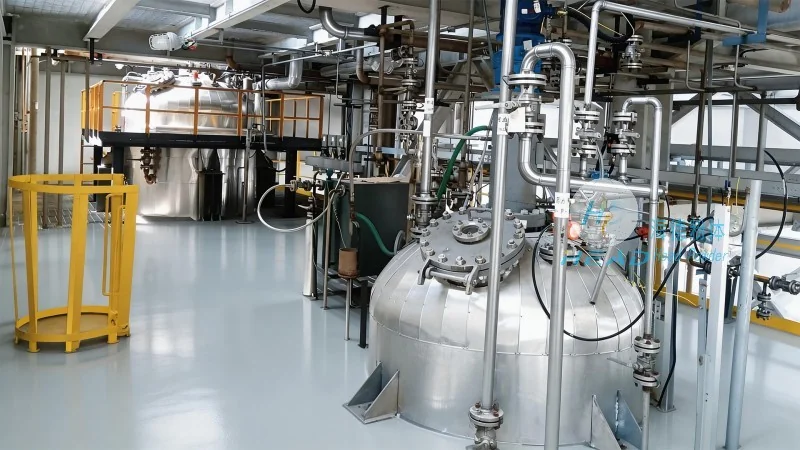
Belt conveyors are another common method for transporting sawdust and wood chips, especially in applications where large volumes need to be moved over short to medium distances. These systems consist of a continuous belt that runs over rollers or pulleys, with the material placed on top of the belt and carried to the discharge point. Belt conveyors are highly efficient for handling a variety of bulk materials, including sawdust and wood chips, and can be designed with different belt widths and speeds to accommodate varying production rates. They are particularly useful in processing facilities where the material needs to be transported to different processing stages or storage areas. The main advantage of belt conveyors is their ability to handle large quantities of material with minimal labor, as the system operates continuously once started. However, they require regular maintenance to ensure the belt remains in good condition and to prevent material buildup or spillage. Additionally, belt conveyors may not be suitable for very fine or lightweight materials, as they can be easily carried away by the air flow or cause the belt to slip.
4. Hydraulic Conveying Systems
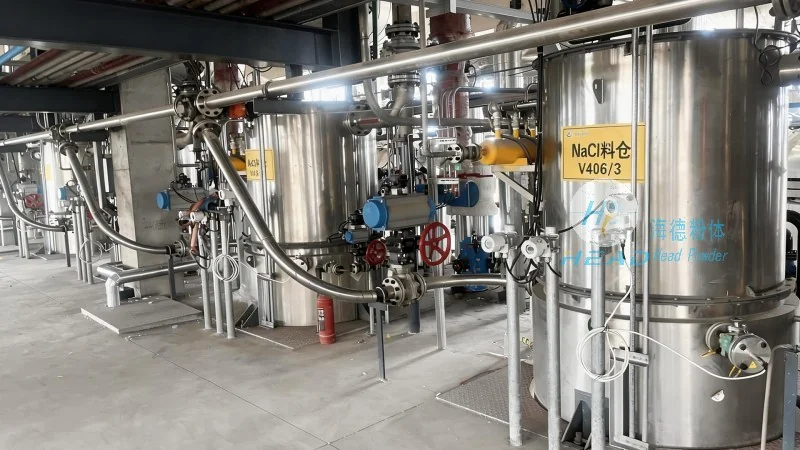
Hydraulic conveying systems use water or a liquid medium to transport sawdust and wood chips. The material is mixed with the liquid in a hopper and then pumped through a pipeline to the discharge point. This method is particularly effective for handling wet or sticky sawdust and wood chips, as the liquid helps to keep the material in suspension and prevent clogging. Hydraulic conveying systems are often used in applications where the material needs to be transported over long distances or through complex layouts. The main advantage of this method is its ability to handle materials that are difficult to move with other systems, such as highly abrasive or fibrous materials. However, the system requires a significant amount of water or liquid, which may need to be treated and recycled to minimize environmental impact. Additionally, the equipment is more complex and expensive compared to other conveying methods, and maintenance can be more involved due to the presence of hydraulic components.
5. Bucket Elevators for Vertical Transport
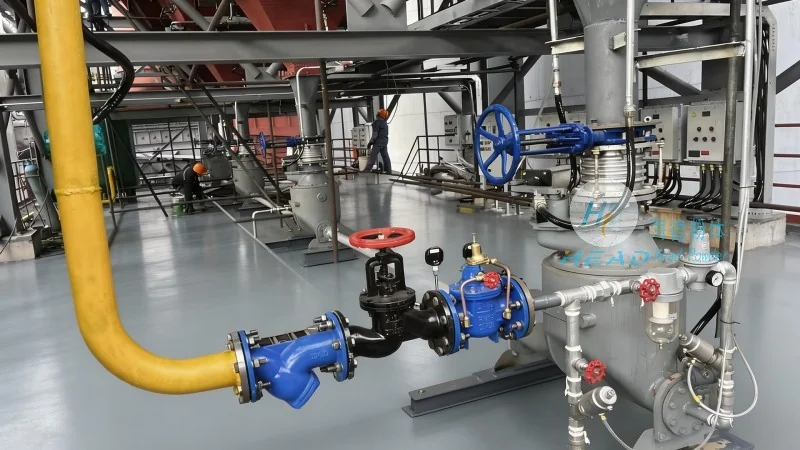
Bucket elevators are specialized conveyors designed for vertical transport of sawdust and wood chips. These systems consist of a vertical or inclined conveyor with a series of buckets attached to a chain or belt. The material is loaded into the buckets at the bottom of the elevator, and as the buckets move upward, they carry the material to the top, where it is discharged. Bucket elevators are ideal for applications where the material needs to be lifted vertically, such as in sawmills or processing plants where the material is stored at different levels. The main advantage of bucket elevators is their high capacity and ability to handle vertical transport efficiently, even with large volumes of material. They are also relatively compact and can be installed in tight spaces. However, bucket elevators require regular inspection and maintenance to ensure the buckets and chain remain in good condition, as wear and tear can lead to material spillage or system failure. Additionally, they may not be suitable for very fine or lightweight materials, as the buckets may not be able to effectively carry the material without it being carried away by the air flow.
6. Air-Lift Conveyors
Air-lift conveyors, also known as pneumatic lift conveyors, are a type of pneumatic system specifically designed for vertical transport of sawdust and wood chips. These systems use a combination of air pressure and a vertical pipe to lift the material from a lower level to a higher level. The material is fed into the bottom of the pipe, and as air is introduced, it creates a pressure differential that lifts the material upward. Air-lift conveyors are particularly useful in applications where vertical transport is required, such as in processing facilities where the material needs to be moved from a ground-level storage to an elevated processing area. The main advantage of this method is its simplicity and low maintenance requirements, as it does not require moving parts other than the air flow. However, the system has a limited capacity and is not suitable for very large volumes of material. Additionally, the efficiency of the system can be affected by the moisture content of the material, as wet sawdust may not be lifted as effectively as dry material.