

Operation Process and Working Principle of Dry Coffee Pneumatic Conveying
Understanding the operation process and working principle of dry coffee pneumatic conveying is crucial for optimizing the efficiency and reliability of coffee processing and distribution systems. This technology plays a vital role in the coffee industry, enabling the safe and efficient transport of dry coffee beans from production sites to processing facilities or storage areas.
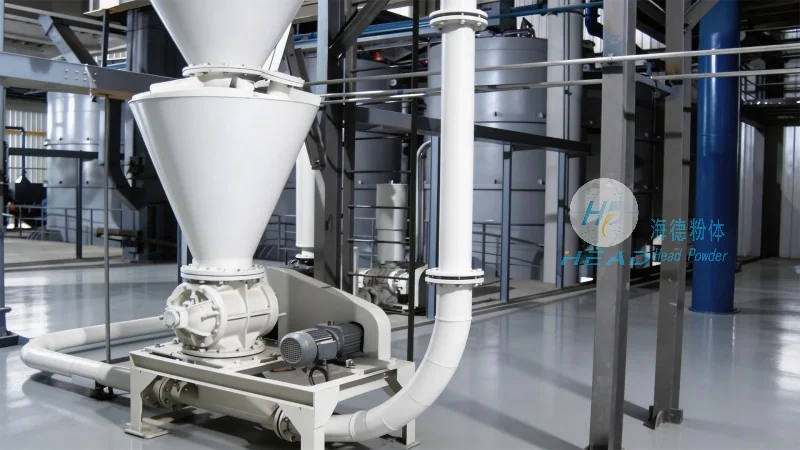
Overview of Pneumatic Conveying Systems for Dry Coffee
Pneumatic conveying systems utilize air pressure to move dry materials like coffee beans through a network of pipes. Unlike traditional mechanical conveyors, these systems offer advantages such as reduced contamination risk, lower maintenance requirements, and the ability to handle delicate materials without damage. For the coffee industry, this is particularly important as coffee beans are sensitive to moisture and physical stress, which can affect their quality and flavor profile.
Key Components of a Dry Coffee Pneumatic Conveying System
The core components of a typical dry coffee pneumatic conveying system include a material hopper, a rotary airlock or feeder, a conveying line, a receiver or silo, and a dust collection system. The material hopper stores the dry coffee beans, while the rotary airlock ensures a controlled and continuous feed of the material into the conveying line. The conveying line, often made of stainless steel to prevent corrosion and maintain hygiene, transports the coffee beans using compressed air. The receiver collects the material at the destination, and the dust collection system captures any fine particles to ensure environmental compliance and product purity.
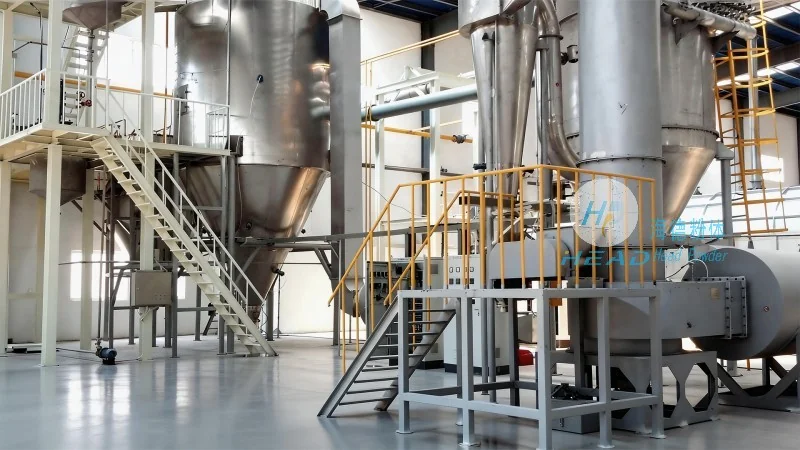
The Operation Process of Dry Coffee Pneumatic Conveying
The operation process begins with the loading of dry coffee beans into the material hopper. The rotary airlock then regulates the flow of beans into the conveying line, ensuring a consistent feed rate. Compressed air is introduced into the conveying line, creating a pressure differential that propels the coffee beans forward. As the beans travel through the pipe, they are suspended by the air stream, moving efficiently to the receiver. The receiver then stores the coffee beans until they are ready for further processing or packaging. Throughout this process, the system maintains a controlled environment to prevent moisture absorption and maintain the quality of the coffee beans.
Working Principle of Pneumatic Conveying in Coffee Processing
The working principle of pneumatic conveying for dry coffee relies on the principles of fluidization and drag. In the conveying line, the compressed air creates a low-density mixture of air and coffee beans, allowing the beans to be transported as a fluid. The drag force exerted by the air on the beans overcomes the gravitational force, enabling the material to move through the system. The system's design, including pipe diameter, air velocity, and pressure, is carefully optimized to balance efficiency and energy consumption. For dry coffee, the system must be designed to handle the specific properties of the beans, such as their size, density, and moisture content, to ensure smooth and reliable operation.
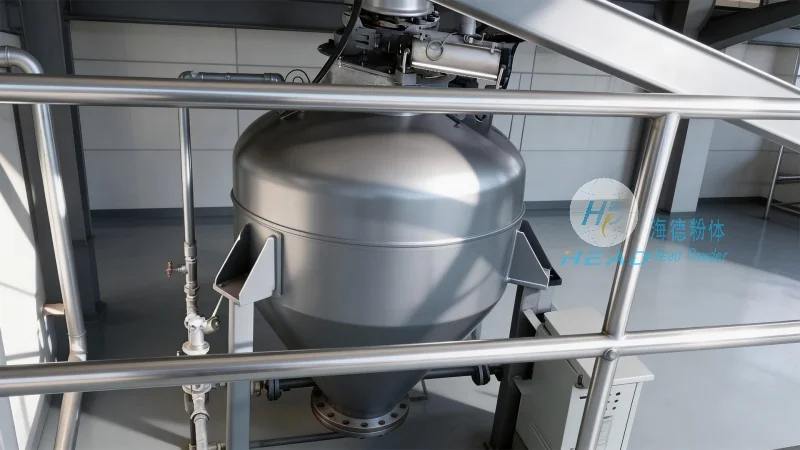
Benefits of Using Pneumatic Conveying for Dry Coffee
Implementing a pneumatic conveying system for dry coffee offers several benefits. Firstly, it reduces the risk of contamination from external sources, as the entire process is enclosed and controlled. Secondly, it minimizes product damage, preserving the integrity and flavor of the coffee beans. Thirdly, the system is compact and can be integrated into existing coffee processing facilities, saving space and reducing installation costs. Additionally, pneumatic conveying systems are highly flexible, allowing for changes in production volume and material flow without significant modifications. These advantages make pneumatic conveying an ideal solution for coffee producers looking to enhance their operational efficiency and product quality.
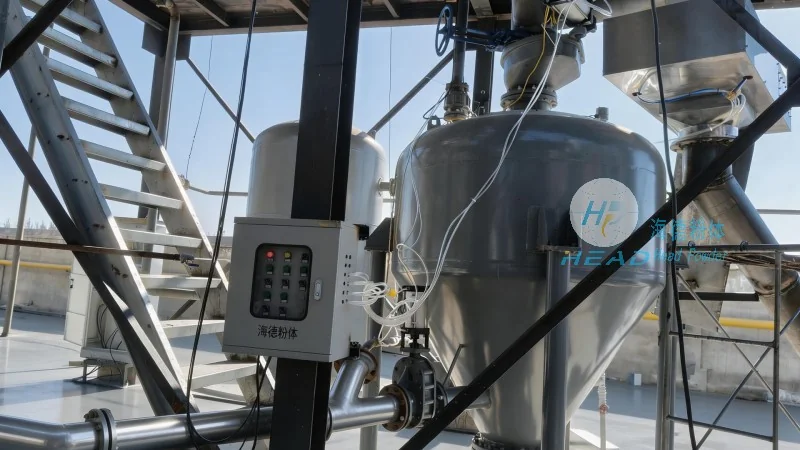
Application in Coffee Processing Facilities
In coffee processing facilities, pneumatic conveying systems are commonly used in various stages, from raw bean reception to final product packaging. For example, after coffee beans are roasted, they are often conveyed pneumatically to cooling bins or storage silos. Similarly, during the packaging process, coffee beans are transported from storage to packaging lines using pneumatic systems. The ability to handle these different stages efficiently ensures a smooth workflow and reduces downtime in the production process. By integrating pneumatic conveying into their operations, coffee manufacturers can improve their overall productivity and meet the demands of a competitive market.
Company Introduction: Shandong HeadPowder Engineering Co., Ltd.
Shandong HeadPowder Engineering Co., Ltd., commonly known as HeadPowder, is a leading provider of pneumatic conveying solutions tailored for the coffee industry. With a focus on innovation and quality, HeadPowder designs and manufactures customized pneumatic conveying systems that meet the specific needs of coffee producers. The company's expertise lies in understanding the unique challenges of coffee processing, such as material sensitivity and hygiene requirements, and developing solutions that address these challenges effectively. HeadPowder's systems are engineered to ensure reliable operation, minimal maintenance, and optimal performance, helping coffee companies enhance their operational efficiency and product quality. Based in Shandong, China, HeadPowder serves clients globally, providing comprehensive support from system design to installation and maintenance.