

Operation Process and Working Principle of Activated Carbon Powder Pneumatic Conveying
Activated carbon powder pneumatic conveying is a critical technology in material handling, particularly for handling fine powders like activated carbon. This method involves transporting the powder through a pipeline using compressed air or other gas streams. The process is widely used in industries such as environmental protection, chemical processing, and pharmaceuticals due to its efficiency and ability to handle sensitive materials without contamination. The following sections will delve into the detailed operation process and the underlying working principles of this technology, provided by Shandong HeadPowder Engineering Co., Ltd., a leading manufacturer in the field.
Key Components of the Pneumatic Conveying System
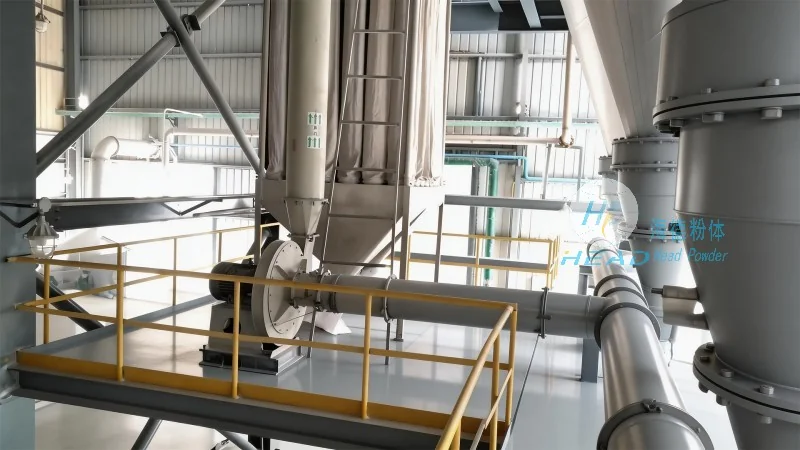
The pneumatic conveying system for activated carbon powder typically consists of several key components that work in tandem to ensure smooth and efficient material transport. These components include the material hopper, the air compressor or blower, the conveying pipeline, the control valves, and the discharge equipment. Each component plays a vital role in the overall operation. The material hopper is designed to store the activated carbon powder and feed it into the system at a controlled rate. The air compressor or blower generates the necessary pressure to move the powder through the pipeline. The conveying pipeline is usually made of stainless steel or other corrosion-resistant materials to prevent contamination and ensure durability. Control valves are used to regulate the flow of air and powder, while the discharge equipment, such as a rotary valve or a dust collector, collects the powder at the end of the pipeline.
Operation Process of Activated Carbon Powder Pneumatic Conveying
The operation process of activated carbon powder pneumatic conveying can be broken down into several sequential steps. First, the activated carbon powder is loaded into the material hopper. The hopper is equipped with a feeder, which may be a screw feeder or a rotary valve, to control the flow rate of the powder. Next, the air compressor or blower is activated, generating a high-pressure air stream. The compressed air is introduced into the conveying pipeline, creating a pressure differential that draws the powder particles into the air stream. As the powder and air mixture travels through the pipeline, the particles are suspended and transported to the discharge point. The velocity of the air stream is carefully controlled to ensure that the powder particles remain suspended without settling or clogging the pipeline. At the discharge end, the air and powder mixture passes through a separator, such as a cyclone or a bag filter, where the powder is separated from the air and collected in a receiving hopper. The separated air is then discharged to the atmosphere or recirculated back into the system, depending on the system design.
Working Principle of Pneumatic Conveying
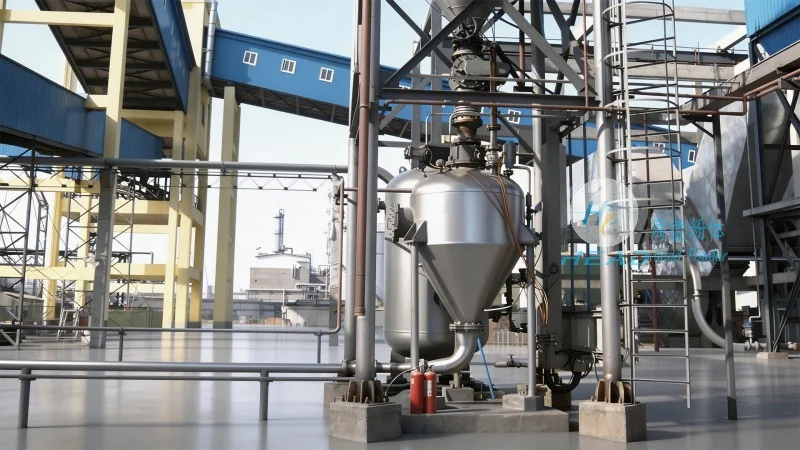
The working principle of activated carbon powder pneumatic conveying is based on the principles of fluid dynamics and particle motion. The primary mechanism is the suspension of powder particles in a gas stream. When the air velocity in the pipeline exceeds the terminal velocity of the powder particles, the particles are lifted and carried along with the air. The terminal velocity is the maximum speed at which a particle can be suspended in a fluid without settling. For activated carbon powder, which typically has a particle size ranging from 10 to 200 microns, the terminal velocity is relatively low, allowing for efficient conveying at moderate air velocities. The pressure drop along the pipeline is another critical factor in the operation. The pressure drop is caused by the friction between the air and the pipeline walls, as well as the resistance offered by the powder particles. The system is designed to maintain a sufficient pressure drop to ensure that the powder is continuously drawn into the air stream and transported to the discharge point. The control of air pressure and flow rate is essential to prevent issues such as clogging, which can occur if the air velocity is too low or the powder flow rate is too high.
Advantages of Activated Carbon Powder Pneumatic Conveying
Activated carbon powder pneumatic conveying offers several advantages over traditional material handling methods. One of the key advantages is the ability to handle fine powders without the need for mechanical conveyors, which can cause contamination or degradation of the material. The system is also highly flexible, allowing for changes in the conveying route or capacity without major modifications. Additionally, the process is relatively clean and can be integrated with dust collection systems to minimize environmental impact. The use of compressed air also provides a safe and reliable method of transport, as it eliminates the need for heavy machinery or manual handling of the powder. Furthermore, the system can be automated, reducing labor costs and improving operational efficiency.
Applications and Industries
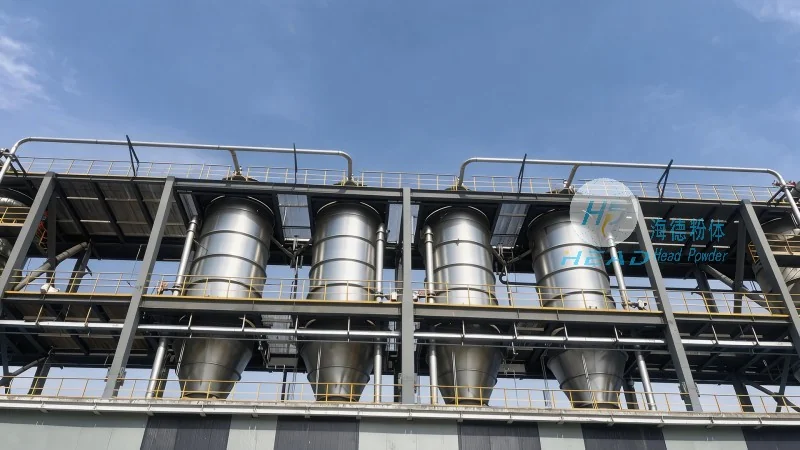
Activated carbon powder pneumatic conveying is widely used in various industries due to its versatility and efficiency. In the environmental protection sector, it is used for the transport of activated carbon used in water treatment and air purification systems. The chemical processing industry utilizes this technology for the handling of activated carbon in chemical reactions and filtration processes. The pharmaceutical industry also benefits from this method for the transport of activated carbon used in drug manufacturing and purification. Other applications include the food and beverage industry, where activated carbon is used for filtration and deodorization, and the petrochemical industry for the handling of activated carbon in catalytic processes.
Conclusion
Activated carbon powder pneumatic conveying is a sophisticated and efficient technology for handling fine powders. The operation process involves the controlled feeding of powder into a high-pressure air stream, which transports the material through a pipeline to the discharge point. The working principle is based on the suspension of particles in a gas stream, with careful control of air velocity and pressure to ensure smooth operation. The advantages of this method, including cleanliness, flexibility, and safety, make it an ideal choice for various industrial applications. As the demand for efficient material handling continues to grow, the use of pneumatic conveying systems for activated carbon powder is likely to expand, further solidifying its role in modern industrial processes.