

Operation Process and Working Principle of High-Pressure Pulse Pneumatic Conveying Systems
High-pressure pulse pneumatic conveying systems represent a sophisticated technology in material handling, designed to efficiently transport bulk materials over long distances with minimal maintenance and operational complexity. This article provides an in-depth exploration of the operation process and underlying working principles of such systems, highlighting their key components, operational mechanisms, and practical applications.
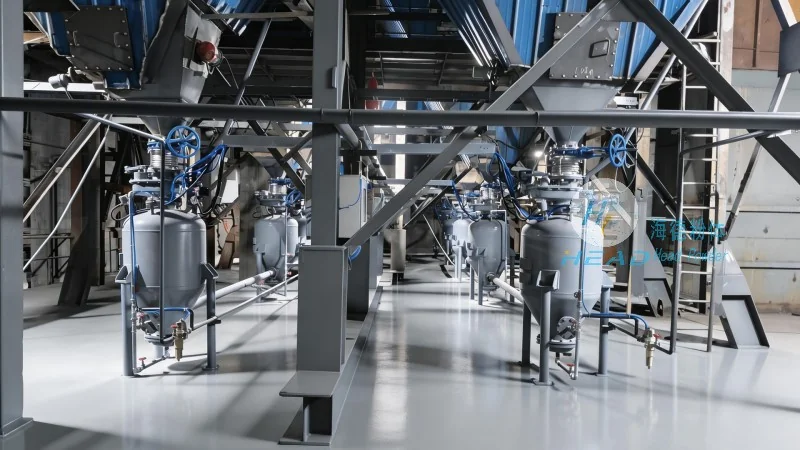
Introduction to High-Pressure Pulse Pneumatic Conveying Systems
HeadPowder, a leading provider in the field, specializes in the design, manufacturing, and implementation of high-pressure pulse pneumatic conveying systems. Based in Shandong, China, the company leverages advanced engineering solutions to meet diverse industrial needs, ensuring reliable and efficient material transport for various sectors. The systems are engineered to handle a wide range of materials, from powders and granules to fine particles, with the ability to maintain consistent flow rates and minimize product degradation during transit.
Key Components of High-Pressure Pulse Pneumatic Conveying Systems
The core components of a high-pressure pulse pneumatic conveying system include the air compressor, pulse generator, conveying line, material hopper, and control unit. The air compressor generates the necessary high-pressure air, which is then regulated by the pulse generator to create intermittent pressure pulses. These pulses drive the material through the conveying line, ensuring efficient movement. The material hopper serves as the storage and feeding unit, while the control unit manages the system's operation, adjusting pressure and flow as needed. Each component is critical to the system's overall performance and reliability.
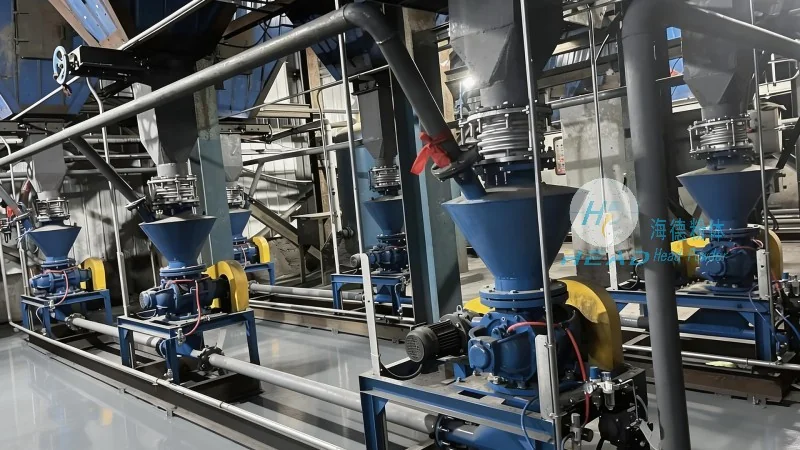
Working Principle of High-Pressure Pulse Pneumatic Conveying Systems
The working principle of high-pressure pulse pneumatic conveying systems is based on the use of compressed air to create a pressure differential that propels material through the pipeline. The system operates by first charging the conveying line with high-pressure air, which is then released in short, controlled pulses. These pulses create a series of pressure waves that push the material forward, similar to how a wave travels along a pipe. The material is carried by the air stream, with the air acting as both the carrier and the driving force. This method allows for the transport of materials that are difficult to handle by traditional methods, such as those with high moisture content or abrasive properties.
Operation Process of High-Pressure Pulse Pneumatic Conveying Systems
The operation process of a high-pressure pulse pneumatic conveying system begins with the loading of the material into the hopper. The system then starts by activating the air compressor, which supplies high-pressure air to the pulse generator. The pulse generator regulates the air flow, creating intermittent pulses that are sent through the conveying line. As the pulses travel, they push the material from the hopper into the pipeline, where it is transported to the destination. The control unit continuously monitors the system's performance, adjusting parameters like pressure and pulse frequency to maintain optimal flow. This process ensures consistent and reliable material transport, with minimal downtime and maintenance requirements.
Advantages and Applications of High-Pressure Pulse Pneumatic Conveying Systems
High-pressure pulse pneumatic conveying systems offer several advantages over traditional material handling methods. These include the ability to transport materials over long distances without the need for intermediate storage or handling, reduced product contamination due to enclosed systems, and lower energy consumption compared to other pneumatic conveying technologies. The systems are widely used in industries such as pharmaceuticals, food processing, chemical manufacturing, and mining, where the transport of bulk materials requires precision and reliability. HeadPowder's systems are tailored to meet the specific requirements of each application, ensuring optimal performance and efficiency.
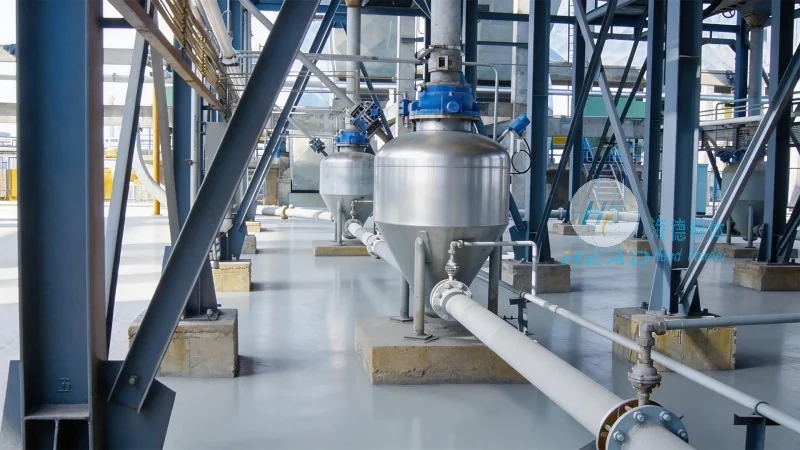
Maintenance and Operational Considerations
Proper maintenance is essential to ensure the long-term performance and reliability of high-pressure pulse pneumatic conveying systems. Regular inspections of the air compressor, pulse generator, and conveying line are necessary to identify and address any potential issues before they become major problems. The material hopper and control unit also require periodic cleaning and calibration to maintain optimal operation. Operational considerations include monitoring air pressure and flow rates, as well as ensuring that the system is properly sealed to prevent air leaks. By adhering to these maintenance and operational guidelines, users can maximize the lifespan and efficiency of their high-pressure pulse pneumatic conveying systems.
Conclusion
High-pressure pulse pneumatic conveying systems are a highly effective solution for the efficient and reliable transport of bulk materials. With their advanced design and robust components, these systems offer significant advantages over traditional material handling methods. HeadPowder, based in Shandong, China, continues to lead in the development and implementation of such systems, providing industrial clients with reliable and efficient material transport solutions. By understanding the operation process and working principles of these systems, users can make informed decisions about their material handling needs and optimize their operations for maximum efficiency and productivity.