

Common Methods for Sodium Hydroxide Powder Conveying
When it comes to the safe and efficient transportation of sodium hydroxide powder, various methods are employed across industrial settings. Understanding these common approaches is crucial for optimizing material handling processes and ensuring operational safety. This article explores the typical methods used for sodium hydroxide powder conveyance, providing insights into their applications and benefits.

Overview of Sodium Hydroxide Powder and Conveying Challenges
Sodium hydroxide, commonly known as caustic soda, is a highly caustic and reactive chemical used in numerous industrial applications, including chemical manufacturing, paper production, and water treatment. Its powder form requires specialized handling due to its corrosive nature and potential for dust generation. Conveying sodium hydroxide powder efficiently while maintaining safety standards is a key consideration for companies operating in this sector. The methods chosen depend on factors such as the powder's properties, the distance of transport, and the required throughput.
Common Conveying Methods for Sodium Hydroxide Powder
Several methods are widely used for transporting sodium hydroxide powder, each with its own advantages and limitations. The selection of a method often hinges on the specific requirements of the application and the scale of operation.
Air-Driven Pneumatic Conveying Systems
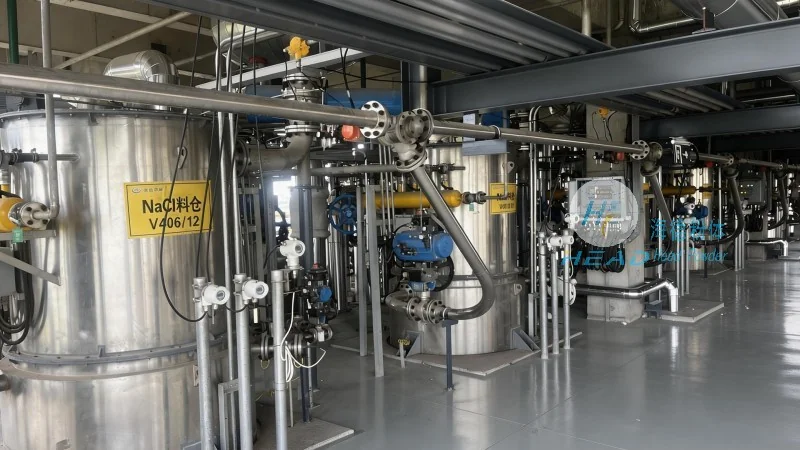
Pneumatic conveying systems are among the most common solutions for sodium hydroxide powder transport. These systems utilize compressed air to move the powder through a network of pipes. There are two primary types: pressure and vacuum systems. Pressure systems push the powder using compressed air, while vacuum systems draw the powder into the system. Pneumatic conveyors are particularly effective for long-distance transport and can handle fine powders without the need for mechanical components that might cause contamination or damage to the material. They are also suitable for applications where dust control is critical, as the enclosed system minimizes exposure to the environment.
Screw or Auger Conveyors
Screw or auger conveyors are another popular choice for sodium hydroxide powder handling. These systems consist of a rotating screw inside a tube, which moves the powder along the length of the conveyor. Screw conveyors are well-suited for horizontal or slightly inclined transport and can handle a wide range of powder types, including those with varying moisture content. They are relatively simple in design, making them cost-effective and easy to maintain. However, they may not be ideal for very fine powders or those that are prone to caking, as the screw can cause compaction and blockages.
Pump-Based Systems for Liquid or Slurry Formulations
While sodium hydroxide is typically handled as a powder, it can also be transported as a liquid or slurry in certain applications. In such cases, pump-based systems are employed. These systems use pumps to move the liquid or slurry through pipelines. The choice of pump depends on the viscosity and corrosive properties of the material. Centrifugal pumps are commonly used for low to medium viscosity liquids, while positive displacement pumps are preferred for higher viscosities or more viscous slurries. Pump-based systems are efficient for continuous flow and can handle larger volumes, but they require careful consideration of pump maintenance and corrosion resistance due to the caustic nature of sodium hydroxide.
Bucket Elevators
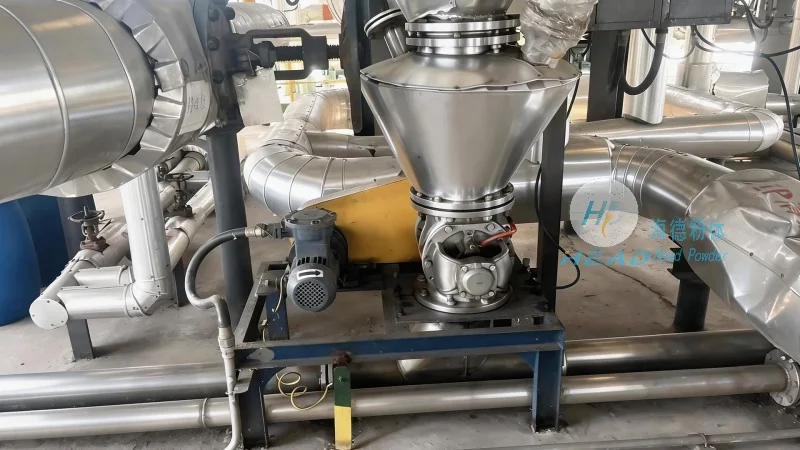
Bucket elevators are used for vertical or steeply inclined transport of sodium hydroxide powder. These systems consist of a series of buckets attached to a belt or chain that moves vertically. The buckets scoop up the powder at the bottom and discharge it at the top. Bucket elevators are highly effective for vertical transport and can handle large quantities of material. They are also suitable for applications where space is limited, as they occupy minimal horizontal space. However, they require regular maintenance to ensure the buckets remain in good condition and to prevent material buildup or blockages.
Selection Criteria for Conveying Systems
The choice of a conveying system for sodium hydroxide powder is influenced by several factors. The first consideration is the material's properties, such as particle size, moisture content, and tendency to cake or agglomerate. Fine powders may require more enclosed systems to prevent dust dispersion, while coarser powders can be handled with simpler equipment. The distance and direction of transport also play a role; horizontal or short-distance transport may use screw conveyors, while long-distance or vertical transport may favor pneumatic or bucket elevator systems. Throughput requirements and operational costs are additional factors. Pneumatic systems may have higher energy costs but offer flexibility in layout, whereas screw conveyors are more cost-effective for short distances. The overall safety and environmental impact of the system must also be evaluated, as sodium hydroxide is a hazardous material that requires strict containment and dust control measures.
Conclusion
Efficient and safe conveyance of sodium hydroxide powder is essential for industrial operations. The methods discussed, including pneumatic conveying, screw conveyors, pump-based systems, and bucket elevators, each offer unique advantages and are selected based on specific operational needs. By understanding the characteristics of sodium hydroxide and the capabilities of different conveying systems, companies can optimize their material handling processes, enhance safety, and improve overall productivity. For businesses seeking reliable solutions for sodium hydroxide powder transport, Shandong HeadPowder Engineering Co., Ltd. provides specialized equipment and expertise to meet these requirements, ensuring that operations run smoothly and safely.