

Operation Process and Working Principle of Dry Ash Pneumatic Conveying Lines
Dry ash pneumatic conveying lines are critical components in industrial facilities that handle ash and other fine particulate materials. These systems efficiently transport dry ash from sources like boilers or furnaces to storage or disposal sites. The technology leverages air pressure to move material, offering advantages such as reduced equipment wear, minimal maintenance, and the ability to handle abrasive materials without significant degradation. As a key solution for ash management, these lines are integral to the operational efficiency of power plants and other industrial operations.
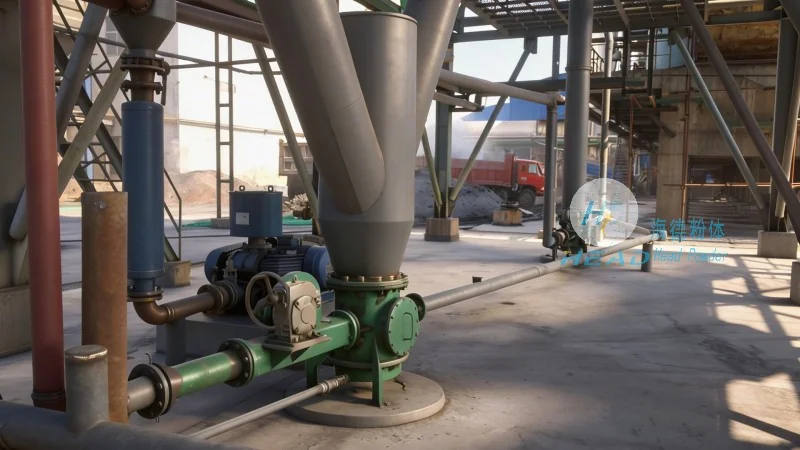
Key Components of the Pneumatic Conveying System
The dry ash pneumatic conveying line typically consists of several core components that work in tandem to ensure smooth material transport. These include the ash source (e.g., a hopper or silo), a blower or compressor to generate the air pressure, a pipeline network to carry the ash-air mixture, and a receiver or storage tank at the destination. Each component plays a vital role in the overall system performance. For instance, the ash source must be equipped with proper sealing to prevent air leakage and maintain pressure differentials. The blower or compressor is responsible for creating the necessary pressure to move the ash particles through the pipeline. The pipeline itself is often made of durable materials like stainless steel or PVC to withstand the abrasive nature of ash and the pressure within the system. The receiver at the end of the line collects the ash, allowing for safe storage or further processing.
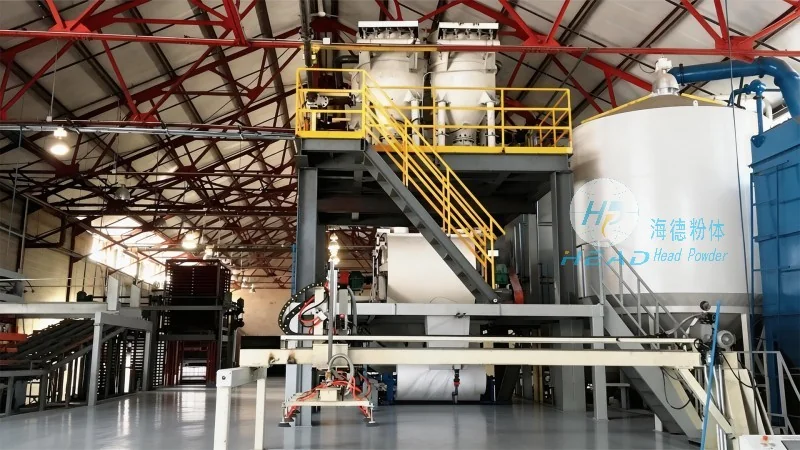
Operation Process of the Dry Ash Pneumatic Conveying Line
The operation of a dry ash pneumatic conveying line involves a sequence of steps that ensure consistent and reliable material transport. The process begins with the ash being fed from the source into the pipeline. As the blower starts, it generates a high-pressure air stream that draws the ash particles into the line. The air and ash mixture travels through the pipeline at a controlled velocity, typically maintained to prevent material settling or blockages. At the destination, the air is separated from the ash, often through a cyclone or filter system, allowing the ash to be deposited into the receiver. The air is then either recirculated back to the blower or released into the atmosphere, depending on the system design. This continuous cycle ensures that ash is efficiently moved from the source to the storage or disposal point without manual intervention, enhancing operational productivity.
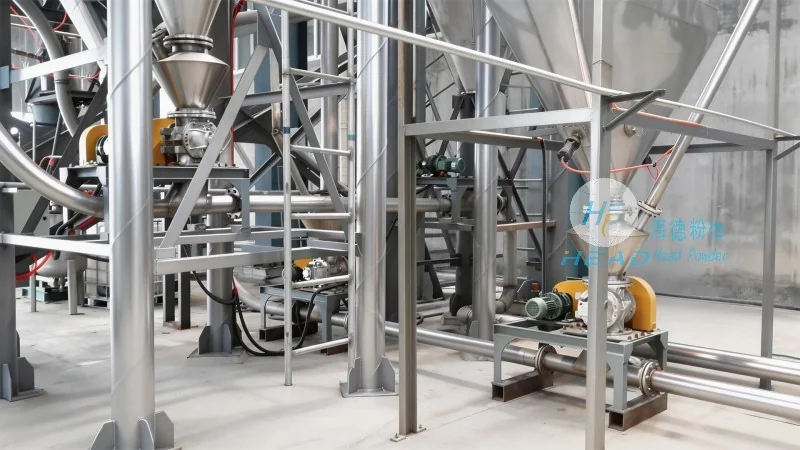
Working Principle of the Pneumatic Conveying System
The working principle of the dry ash pneumatic conveying line is based on the fundamental concept of pneumatic transport, where air is used as the medium to move solid particles. The system operates under positive pressure, meaning the air pressure inside the pipeline is higher than the ambient air pressure. This pressure differential creates a force that propels the ash particles forward. The velocity of the air stream is crucial; it must be sufficient to keep the ash particles suspended and prevent them from settling or adhering to the pipeline walls. The design of the pipeline, including its diameter and length, is carefully calculated to maintain the required air velocity and pressure. Additionally, the system may incorporate features such as pulse jets or air valves to control the flow and prevent blockages, ensuring smooth operation. The separation of ash from air at the receiver is achieved through gravity or centrifugal forces, where the heavier ash particles settle out while the lighter air is discharged or recirculated.
Advantages of Using Dry Ash Pneumatic Conveying Lines
Implementing dry ash pneumatic conveying lines offers several advantages that make them a preferred choice for ash management in industrial settings. One of the primary benefits is the reduction in labor costs, as the system automates the transport process, eliminating the need for manual handling of ash. This not only improves safety by reducing exposure to dust and potential hazards but also increases operational efficiency. Another advantage is the minimal maintenance required compared to traditional conveyor systems. The absence of moving parts in the pipeline reduces wear and tear, leading to lower maintenance expenses and longer equipment lifespan. Furthermore, these systems are highly flexible, allowing for changes in the layout or destination of the ash storage without significant modifications. The ability to handle abrasive and corrosive materials without damage to the equipment is another key benefit, as the air pressure and pipeline design are optimized to withstand such conditions. Overall, the use of dry ash pneumatic conveying lines enhances the sustainability and operational performance of industrial facilities by providing an efficient and reliable method for ash transport.
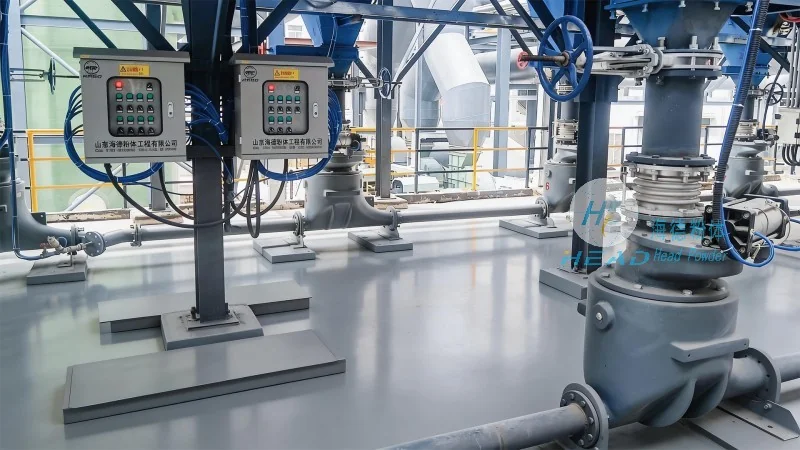
Application in Industrial Facilities
Dry ash pneumatic conveying lines are widely used in various industrial facilities, particularly in power plants and other thermal energy generation sites. In power plants, these systems are essential for transporting fly ash from boilers to ash storage silos or disposal sites. The high-volume and continuous nature of ash generation in power plants makes pneumatic conveying an ideal solution, as it can handle large quantities of ash at high speeds. Other applications include the transport of ash from industrial furnaces, incinerators, and other processes that produce fine particulate waste. The adaptability of these systems allows them to be integrated into existing facilities with minimal disruption, making them a cost-effective upgrade for facilities looking to improve their ash management processes. By efficiently moving ash away from the production area, these lines help maintain a clean and safe working environment, reducing the risk of dust-related health issues and equipment damage.