

Operation Process and Working Principle of Frac Sand Pneumatic Conveying Lines
For those in the oil and gas industry, especially those involved in hydraulic fracturing operations, the efficient and reliable transport of frac sand is a critical component of the overall workflow. The pneumatic conveying line, a system designed to move frac sand from storage to the fracturing site, plays a pivotal role in ensuring smooth operations. This article delves into the operation process and working principle of such lines, highlighting the technology behind them and the expertise of Shandong HeadPowder Engineering Co., Ltd., a leading provider in this field based in Shandong, China.
Introduction to Frac Sand Pneumatic Conveying Lines
Frac sand, a key material used in hydraulic fracturing to prop open rock formations, requires specialized handling due to its abrasive nature and the need for precise control during transport. Pneumatic conveying lines offer a solution by using air pressure to move the sand through a network of pipes, eliminating the need for mechanical components that might wear out or cause contamination. The system is designed to be efficient, low-maintenance, and capable of handling large volumes of frac sand over long distances.
Company Overview: HeadPowder
Shandong HeadPowder Engineering Co., Ltd., commonly known as HeadPowder, is a reputable company based in Shandong, China, specializing in the design, manufacturing, and installation of pneumatic conveying systems for the oil and gas industry. With years of experience and a commitment to quality, HeadPowder has become a trusted partner for companies seeking reliable frac sand transport solutions. The company’s headquarters and operational base are located in Shandong, providing a strategic advantage in serving the regional and national markets.
The Working Principle of Pneumatic Conveying Lines
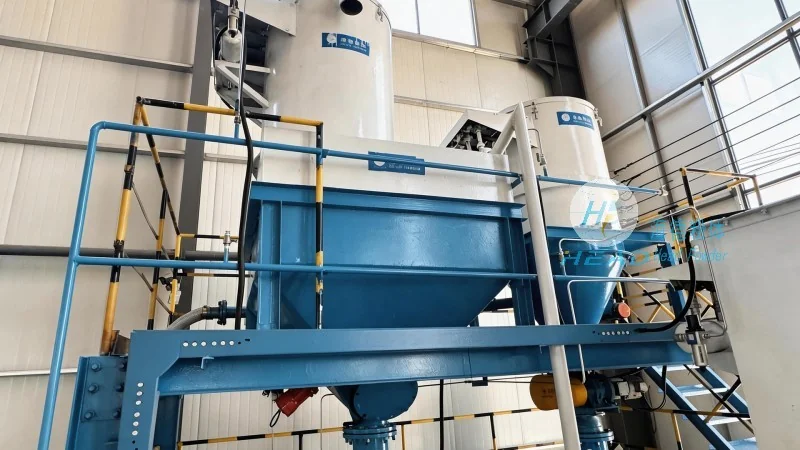
The core principle of pneumatic conveying is the use of compressed air to create a flow that transports solid particles through a pipeline. In the context of frac sand, the system typically operates on the basis of pressure or vacuum. Pressure systems use a positive pressure to push the sand from the source to the destination, while vacuum systems use a negative pressure to pull the material. Both methods are effective, but pressure systems are more common for frac sand transport due to their ability to handle abrasive materials and maintain consistent flow rates.
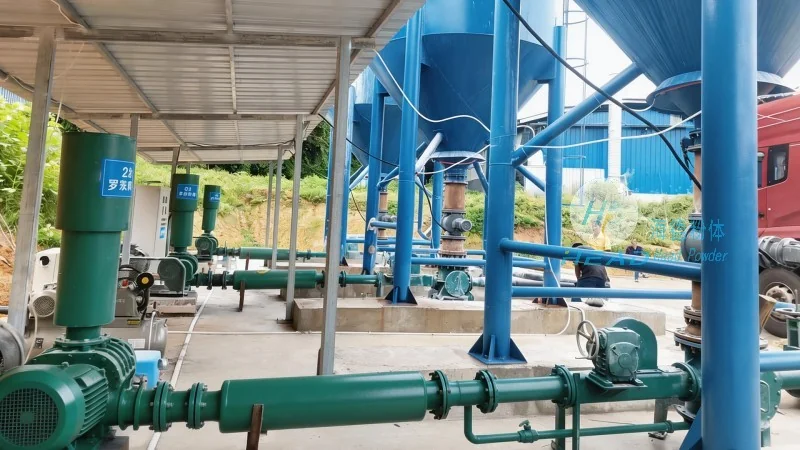
The system consists of several key components, each playing a crucial role in the overall operation. The primary components include a hopper or silo for storing the frac sand, a feeder or rotary valve to control the flow of sand into the pipeline, a blower or compressor to generate the air pressure, a series of pipelines to transport the sand, a separation or cyclone unit to separate the sand from the air at the receiving end, and a dust collector to capture any residual particles. Each component is carefully designed and integrated to ensure smooth and efficient operation.
Operation Process of Frac Sand Pneumatic Conveying Lines
The operation of a frac sand pneumatic conveying line involves a series of steps that ensure the sand is moved from the storage area to the fracturing site without interruption. The process typically begins with the loading of the frac sand into the hopper or silo. Once the hopper is filled, the feeder or rotary valve is activated to control the flow rate of the sand into the pipeline. Simultaneously, the blower or compressor is started to generate the necessary air pressure. The compressed air is then introduced into the pipeline, creating a flow that carries the sand particles forward.
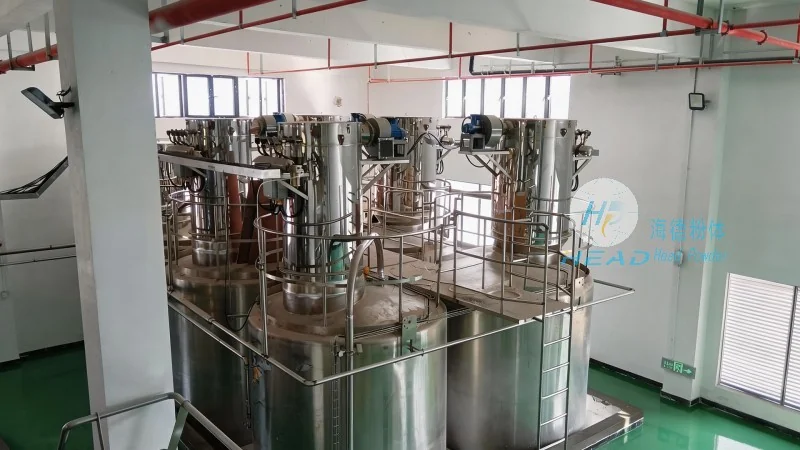
As the sand travels through the pipeline, it is mixed with the air, forming a slurry-like mixture. The mixture continues to move until it reaches the receiving end of the line, where a separation unit (such as a cyclone or baghouse) is used to separate the sand from the air. The separated sand is then collected in a receiving hopper or silo, ready for use in the fracturing operation. The air, now clean, is either vented to the atmosphere or recirculated back into the system to improve efficiency.
The entire process is monitored and controlled by a system of sensors and controls that ensure the flow rate, pressure, and temperature are maintained within optimal parameters. This automation helps to prevent issues such as blockages, overloading, or air leaks, which could disrupt the operation. The system is designed to be flexible, allowing for adjustments in flow rate or direction as needed to accommodate changes in the fracturing schedule or site conditions.
Advantages and Considerations in Frac Sand Pneumatic Conveying
Pneumatic conveying lines offer several advantages over traditional mechanical conveying methods. These include reduced wear and tear on equipment, as there are no moving parts in direct contact with the abrasive frac sand. This leads to lower maintenance costs and longer equipment life. Additionally, the system is more hygienic and less prone to contamination, which is critical in applications where the sand is used in sensitive environments. The ability to transport large volumes of material over long distances with minimal labor also contributes to operational efficiency.
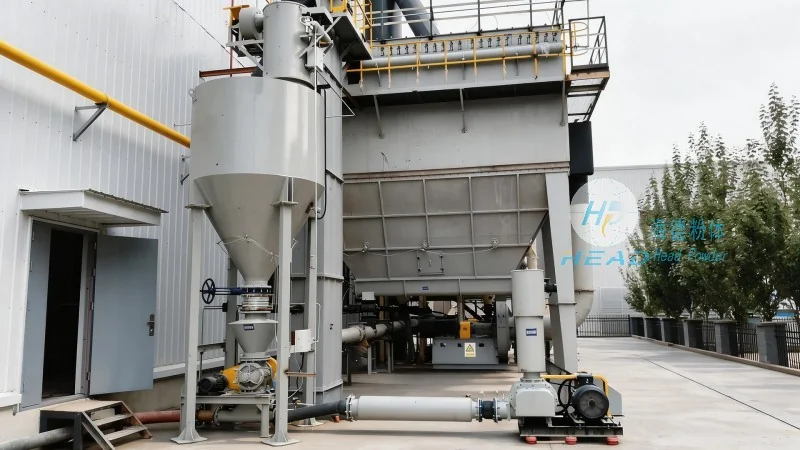
However, there are also considerations to keep in mind when implementing a pneumatic conveying line. The system requires a reliable source of compressed air, which may need to be generated on-site or supplied by an external source. The initial investment for the equipment and installation can be significant, though the long-term savings in maintenance and operational costs often justify the expense. Additionally, the system must be designed to handle the specific characteristics of the frac sand, such as particle size, density, and moisture content, to ensure optimal performance.
Conclusion and Company Expertise
In conclusion, the operation process and working principle of frac sand pneumatic conveying lines are complex but essential for the efficient operation of hydraulic fracturing projects. The system’s ability to transport abrasive materials with minimal wear and contamination makes it a preferred choice in the industry. Shandong HeadPowder Engineering Co., Ltd., with its expertise and experience in the field, provides comprehensive solutions for frac sand transport, ensuring that clients can rely on a reliable and efficient system for their operations. Whether for new installations or upgrades to existing systems, HeadPowder’s commitment to quality and performance ensures that the frac sand pneumatic conveying line operates at its best, supporting the success of oil and gas operations.