

[COLUMN]Carbon Black Transportation Methods: Options Available
Carbon black is a vital industrial material utilized across diverse sectors including rubber, plastics, and pigments. Efficient and reliable transportation of carbon black is fundamental to maintaining production efficiency and ensuring product quality. Several methods exist for carbon black transportation, each with distinct advantages and considerations. This article examines common approaches to carbon black transportation, highlighting key factors to consider when selecting the most suitable method for a specific application.
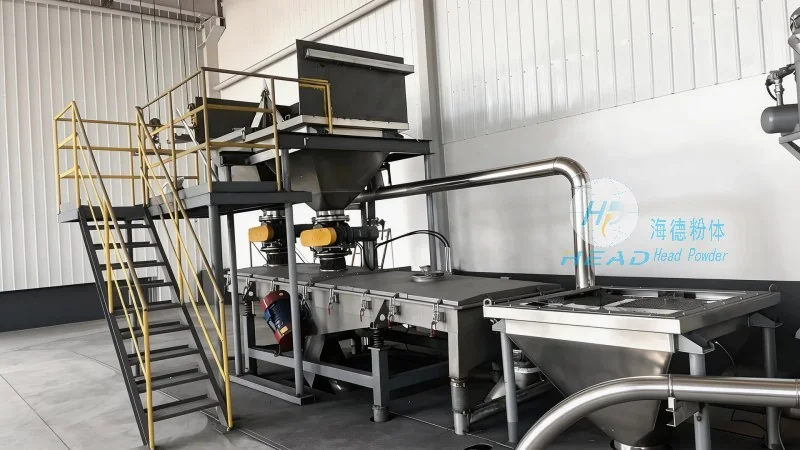
Understanding Carbon Black and Its Transportation Requirements
Carbon black is a fine, black powder with a high surface area and specific gravity. Due to its fine particle size and propensity for dust generation, transporting carbon black necessitates specialized equipment and systems to ensure safety, efficiency, and minimal loss. The choice of transportation method depends on factors such as carbon black type, production scale, distance, and the need for dust control. Proper handling is critical to prevent environmental contamination and ensure worker safety.
Common Carbon Black Transportation Methods
Pneumatic Conveying Systems
Pneumatic conveying is one of the most prevalent methods for carbon black transportation. This technique utilizes air pressure to move carbon black particles through a pipeline. There are two primary types of pneumatic conveying systems: pressure and vacuum. Pressure systems employ compressed air to push the material forward, while vacuum systems use a vacuum to pull the material. Pneumatic conveying offers advantages such as high capacity, low maintenance, and the ability to transport carbon black over long distances. However, it requires careful design to manage air flow and prevent particle segregation or blockages. The system typically includes components like feeders, pipelines, cyclones, and dust collectors to ensure efficient operation.
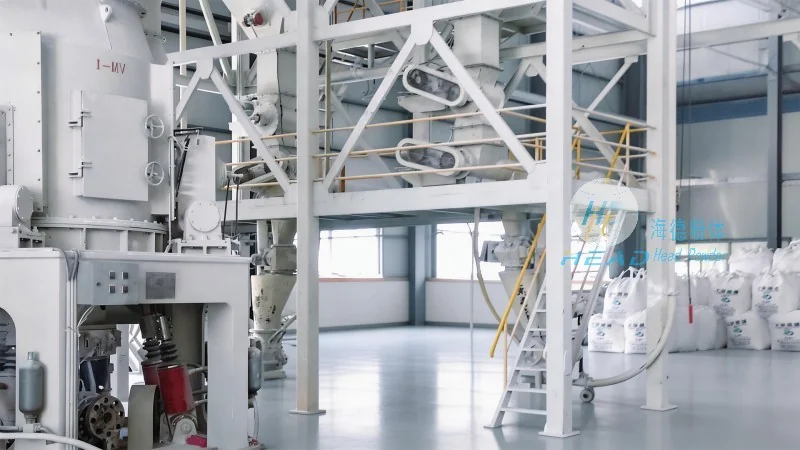
Trunking and Screw Conveyors
Trunking and screw conveyors are mechanical systems commonly used for carbon black transportation, especially over shorter distances or within processing plants. These systems use rotating screws or augers to move carbon black through a closed pipe or trough. Screw conveyors are particularly effective for handling bulk quantities of carbon black and can be integrated with other processing equipment. They offer advantages such as low cost, simplicity, and the ability to handle a wide range of carbon black types. However, they may be less efficient for long-distance transport and can generate more noise and vibration compared to pneumatic systems. Proper sealing and maintenance are essential to prevent carbon black leakage and ensure smooth operation.
Pipeline Systems
Pipeline systems are another option for carbon black transportation, especially for large-scale industrial applications. These systems involve transporting carbon black through a network of pipes, often using a carrier fluid like water or oil. The carbon black is suspended in the fluid and pumped through the pipeline. This method is highly efficient for long-distance transport and can handle high volumes of material. However, it requires specialized equipment and infrastructure, including pumps, valves, and filtration systems. Pipeline systems are commonly used in industries where carbon black is produced and consumed on-site, such as in rubber manufacturing plants. They offer advantages like continuous operation and minimal labor requirements, but may have higher initial costs and maintenance needs.
Container and Bulk Handling
For smaller-scale or intermittent carbon black transportation, container and bulk handling methods are often employed. These methods involve loading carbon black into containers such as bags, drums, or bulk trucks for transport. The containers are then delivered to the destination, where they are unloaded and processed. This approach is suitable for short distances or when the carbon black is not produced on-site. Container and bulk handling offers flexibility and simplicity, as it does not require specialized equipment or infrastructure. However, it may result in higher transportation costs and potential for carbon black loss or contamination during handling. Proper packaging and handling procedures are essential to maintain product quality and safety.
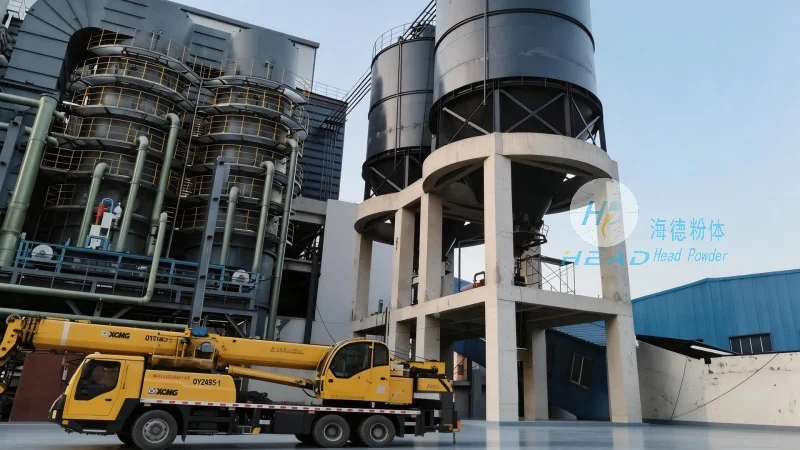
Factors to Consider When Choosing a Carbon Black Transportation Method
When selecting a carbon black transportation method, several factors must be considered to ensure the most effective and efficient solution. The first factor is the distance and scale of the transportation. For short distances or small quantities, mechanical systems like screw conveyors may be sufficient. For long distances or large volumes, pneumatic or pipeline systems are more appropriate. The second factor is the need for dust control and environmental compliance. Pneumatic systems with proper filtration can help minimize dust emissions, while mechanical systems may require additional dust collection equipment. The third factor is the cost and maintenance requirements. Initial investment and ongoing maintenance costs vary significantly between different methods, and should be evaluated based on the specific application and budget. The fourth factor is the compatibility with existing infrastructure and processes. It is important to consider how the chosen transportation method integrates with the current production and processing systems to avoid disruptions or inefficiencies.
Conclusion
Carbon black transportation is a critical aspect of industrial operations, and choosing the right method is essential for maintaining efficiency and product quality. Pneumatic conveying, trunking and screw conveyors, pipeline systems, and container handling are all viable options, each with its own advantages and considerations. By carefully evaluating factors such as distance, scale, dust control, cost, and infrastructure compatibility, industrial facilities can select the most suitable carbon black transportation method for their specific needs. Companies like Shandong HeadPowder Engineering Co., Ltd., with expertise in carbon black processing and transportation solutions, can provide tailored systems and equipment to meet these requirements, ensuring safe and efficient carbon black handling throughout the supply chain.