

Operation Process and Working Principle of Gypsum Granule Pneumatic Conveying Lines
HeadPowder, a leading engineering company based in Shandong, China, specializes in the design, manufacturing, and installation of advanced pneumatic conveying systems for various industrial applications. This article provides a detailed overview of the operation process and working principle of gypsum granule pneumatic conveying lines, highlighting the key components, operational steps, and technical aspects that ensure efficient and reliable material transport.
Key Components of Gypsum Granule Pneumatic Conveying Systems
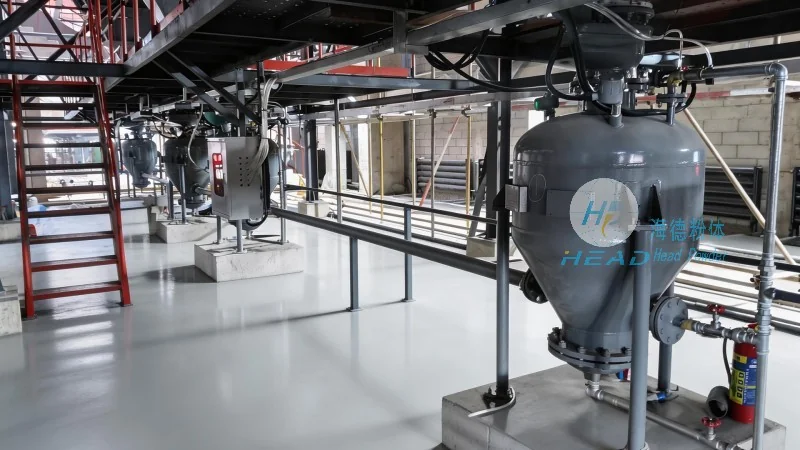
The gypsum granule pneumatic conveying line typically consists of several critical components that work in tandem to achieve seamless material transport. These include the material feed hopper, the conveying ducts, the air supply system (such as a blower or compressor), the control valves, and the discharge unit. Each component plays a vital role in maintaining the system's efficiency and safety. The feed hopper is designed to store and regulate the flow of gypsum granules, ensuring a consistent feed rate to the conveying line. The ducts are constructed from durable materials, often stainless steel or high-grade plastic, to withstand the abrasive nature of gypsum particles and prevent clogging. The air supply system generates the necessary pressure and airflow to move the material through the ducts, while the control valves allow for precise regulation of the air flow and material transport speed. The discharge unit, such as a rotary valve or a dust collector, safely releases the gypsum granules at the destination point, minimizing dust emissions and ensuring environmental compliance.
Working Principle of Gypsum Granule Pneumatic Conveying
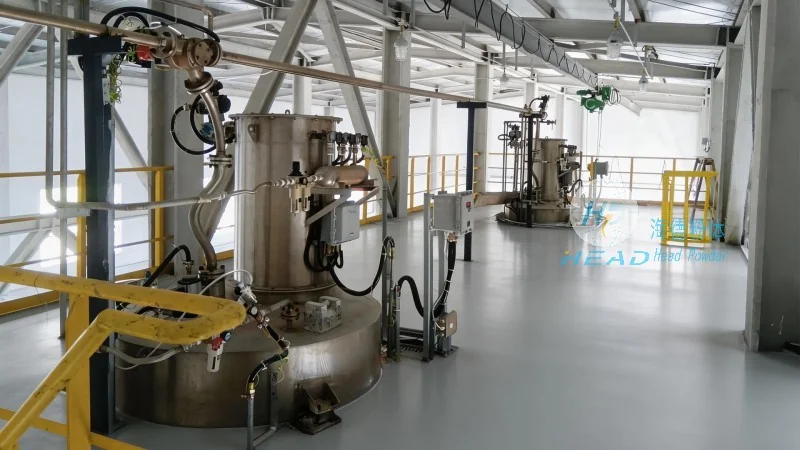
The working principle of a gypsum granule pneumatic conveying line is based on the use of compressed air to transport the material. The process begins with the gypsum granules being fed into the material hopper. From there, the material is drawn into the conveying ducts by the negative pressure created by the air supply system. The compressed air, typically at a pressure of 0.5 to 1.0 bar, creates a flow that lifts and transports the gypsum granules through the duct network. The air and material mixture travels at high velocity, ensuring that the particles are fully suspended and moved efficiently. As the mixture reaches the discharge point, the air is separated from the material, often through a cyclone separator or a filter, and the air is then discharged back into the system or to the atmosphere, while the gypsum granules are collected and delivered to the final destination. This closed-loop system minimizes material loss and reduces the risk of dust contamination, making it an ideal solution for handling gypsum granules in industrial settings.
Operation Process of Gypsum Granule Pneumatic Conveying Lines
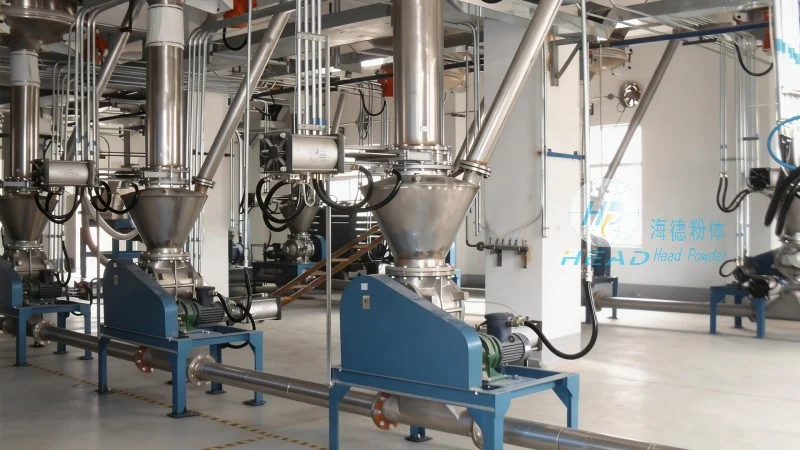
The operation process of a gypsum granule pneumatic conveying line involves several sequential steps that ensure smooth and continuous material transport. First, the system is started by activating the air supply system, which generates the necessary pressure and airflow. Simultaneously, the material feed hopper is filled with gypsum granules, and the feed valve is opened to allow the material to enter the conveying line. The control system monitors the pressure and flow rates, adjusting the air supply as needed to maintain optimal transport conditions. During operation, the system continuously conveys the gypsum granules from the source to the destination, with the discharge unit regulating the flow of material at the receiving end. If any issues arise, such as blockages or pressure drops, the system's safety features, including pressure relief valves and alarms, are activated to prevent damage and ensure operator safety. The entire process is automated, with minimal manual intervention required, allowing for consistent and reliable operation. Regular maintenance, including cleaning of the ducts and replacement of worn parts, is essential to maintain the system's performance and longevity.
Benefits and Applications of Gypsum Granule Pneumatic Conveying Lines
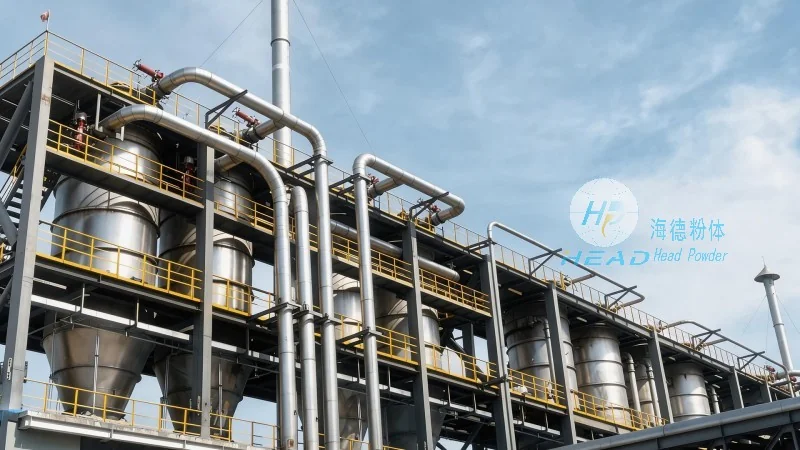
Gypsum granule pneumatic conveying lines offer numerous benefits for industrial applications, including high efficiency, low maintenance, and minimal material loss. The system is capable of transporting gypsum granules over long distances, with minimal energy consumption compared to traditional methods like belt conveyors or bucket elevators. The enclosed design of the system also reduces dust emissions, improving workplace safety and environmental compliance. These systems are widely used in the construction industry for transporting gypsum for wallboard production, as well as in other industries such as pharmaceuticals, food processing, and chemical manufacturing, where the handling of fine powders is required. The flexibility of the pneumatic conveying system allows it to be adapted to various production requirements, making it a versatile solution for material transport in different industrial settings.