

Operation Process and Working Principle of Sintered Dust Pneumatic Conveying Lines
HeadPowder, a leading provider in the field, specializes in the design, manufacturing, and installation of advanced sintered dust pneumatic conveying systems. These systems are engineered to efficiently handle sintered dust, a byproduct commonly found in sintering processes used in metallurgical industries. The company, based in Shandong, China, leverages over years of industry experience to deliver reliable and efficient solutions tailored to the specific needs of clients.
Key Components and Their Roles
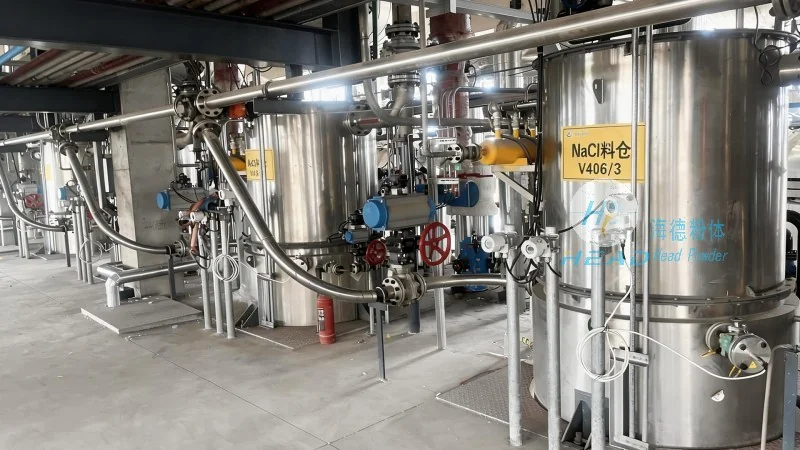
The sintered dust pneumatic conveying line typically consists of several critical components that work in harmony to ensure smooth material transport. The main components include the dust collection hopper, the air compressor or blower, the conveying pipeline, the control system, and the discharge unit. Each component plays a vital role in the overall operation. The dust collection hopper is responsible for gathering the sintered dust from the source, such as a sintering machine or storage silo. It is designed with a hopper shape to facilitate the flow of dust into the system. The air compressor or blower generates the necessary air pressure to move the dust particles through the pipeline. The conveying pipeline, often made of stainless steel or other corrosion-resistant materials, ensures the dust is transported without degradation or contamination. The control system monitors and regulates the air pressure, flow rate, and other parameters to maintain optimal operation. Finally, the discharge unit, which can be a rotary valve or a dust collector, releases the dust at the destination point, such as a storage silo or processing unit.
Operation Process of the Pneumatic Conveying Line
The operation of a sintered dust pneumatic conveying line involves a series of steps that ensure the efficient and continuous transport of dust. The process begins with the collection of sintered dust from the source. The dust is drawn into the dust collection hopper by the air flow generated by the compressor. Once the hopper is filled to a certain level, the control system activates the conveying cycle. The compressor then increases the air pressure, which creates a flow of air through the pipeline. The dust particles are entrained by the air stream and carried along the pipeline to the discharge point. The control system continuously monitors the pressure and flow rate to adjust the air supply as needed, ensuring a stable and consistent flow of dust. The discharge unit then releases the dust into the receiving container, completing the cycle. The system may also include a filter or dust collector to capture any fine particles and prevent them from being released into the environment, ensuring compliance with environmental regulations.
Working Principle: How the System Transports Dust
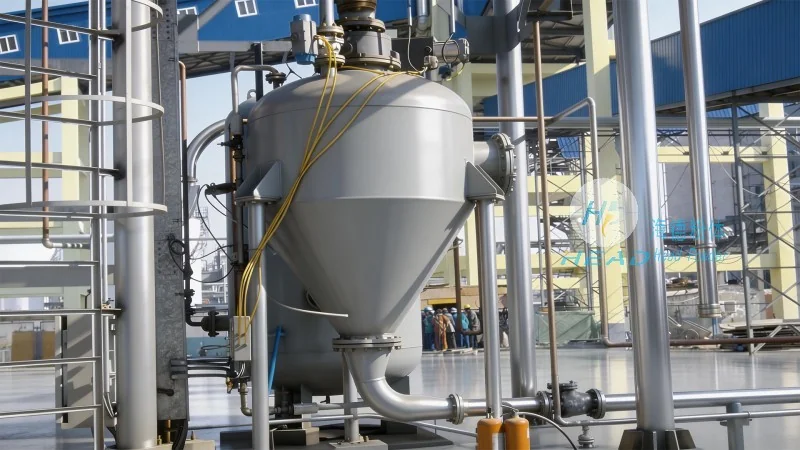
The working principle of the sintered dust pneumatic conveying line is based on the principle of pneumatic transport, which uses air as the medium to move solid particles. The system operates under pressure, typically ranging from low to medium pressure, depending on the distance and volume of dust to be transported. The air compressor or blower provides the necessary pressure to overcome the resistance in the pipeline and the weight of the dust particles. The dust particles are suspended in the air stream and transported through the pipeline. The velocity of the air and the size of the particles determine the efficiency of the transport. The system is designed to handle various particle sizes and moisture content, making it versatile for different applications. The control system plays a crucial role in maintaining the optimal pressure and flow rate, ensuring that the dust is transported without clogging or degradation. The discharge unit is designed to handle the dust efficiently, preventing any blockages or leaks that could affect the system's performance.
Benefits and Advantages of Using Sintered Dust Pneumatic Conveying Lines
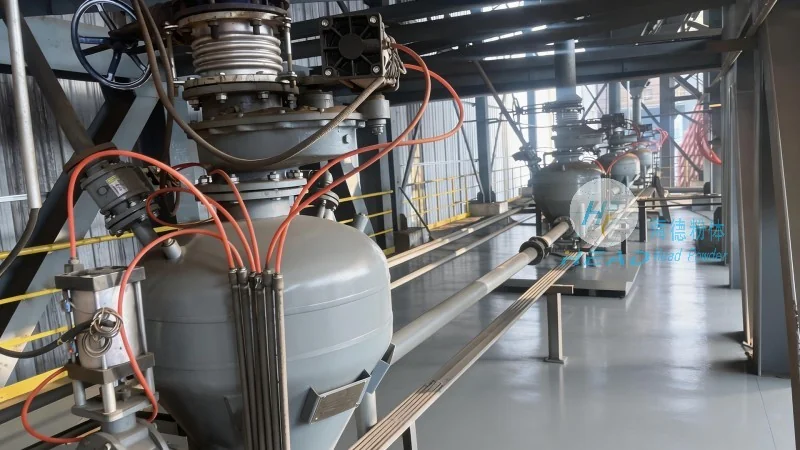
Implementing a sintered dust pneumatic conveying line offers numerous benefits for industrial operations. Firstly, it provides a highly efficient and reliable method for transporting sintered dust, reducing the need for manual handling and minimizing the risk of dust exposure for workers. The system can handle large volumes of dust over long distances, making it suitable for large-scale industrial applications. Secondly, the system is designed to be compact and space-saving, which is particularly beneficial in facilities with limited space. The use of stainless steel or other corrosion-resistant materials ensures durability and longevity, reducing maintenance costs over time. Thirdly, the system is environmentally friendly, as it captures and transports dust without releasing it into the atmosphere, thus complying with environmental regulations. Additionally, the system can be integrated with other industrial processes, such as dust collection and processing, to create a comprehensive solution. The control system allows for easy monitoring and adjustment, ensuring that the system operates at peak efficiency. Overall, the sintered dust pneumatic conveying line is a cost-effective and efficient solution for handling sintered dust in industrial settings.
Application Examples and Case Studies
HeadPowder's sintered dust pneumatic conveying lines have been successfully implemented in various industrial applications across different sectors. For example, in a steel mill, the system was used to transport sintered dust from the sintering machine to a storage silo, reducing the need for manual handling and improving safety. The system was able to handle large volumes of dust over a distance of 500 meters, with minimal maintenance required. Another application was in a non-ferrous metal processing plant, where the system was used to transport dust from a storage silo to a processing unit. The system was designed to handle dust with high moisture content, and the control system was adjusted to maintain optimal flow rates. The results showed a significant reduction in dust-related issues and improved operational efficiency. These case studies demonstrate the effectiveness and reliability of HeadPowder's sintered dust pneumatic conveying lines in various industrial settings.