

Operation Process and Working Principle of Ammonia Fertilizer Pneumatic Conveying Machine
Shandong HeadPowder Engineering Co., Ltd., a leading manufacturer based in Shandong, China, specializes in the design, production, and supply of advanced pneumatic conveying systems for the fertilizer industry. The company's expertise lies in developing efficient and reliable equipment tailored to the unique demands of ammonia fertilizer transportation, ensuring optimal performance and safety in industrial applications.
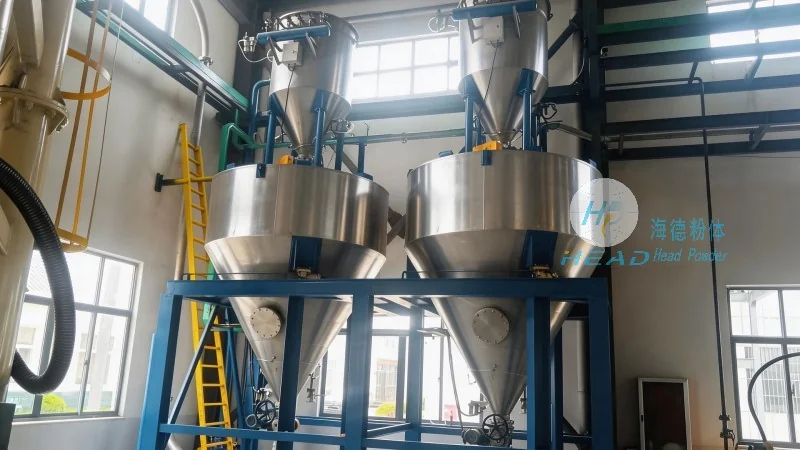
Overview of Ammonia Fertilizer Pneumatic Conveying Machines
Ammonia fertilizer pneumatic conveying machines are sophisticated industrial devices engineered to transport granular or powdered ammonia-based fertilizers through a pressurized air system. These systems are widely utilized in agricultural and chemical sectors due to their ability to handle abrasive and corrosive materials while maintaining high efficiency and minimal product degradation. The equipment is designed to meet stringent safety and operational standards, making it an essential component in modern fertilizer processing and distribution networks.
Key Components of the Pneumatic Conveying System
The ammonia fertilizer pneumatic conveying machine typically consists of several critical components that work in concert to facilitate material transport. These include a hopper for material storage, a rotary valve or feeder to control the flow of fertilizer into the system, a conveying pipeline network, a pressure vessel or receiver to collect the material at the destination, and a blower or compressor that generates the necessary air pressure. Each component is carefully engineered to ensure seamless operation and durability under heavy-duty conditions.
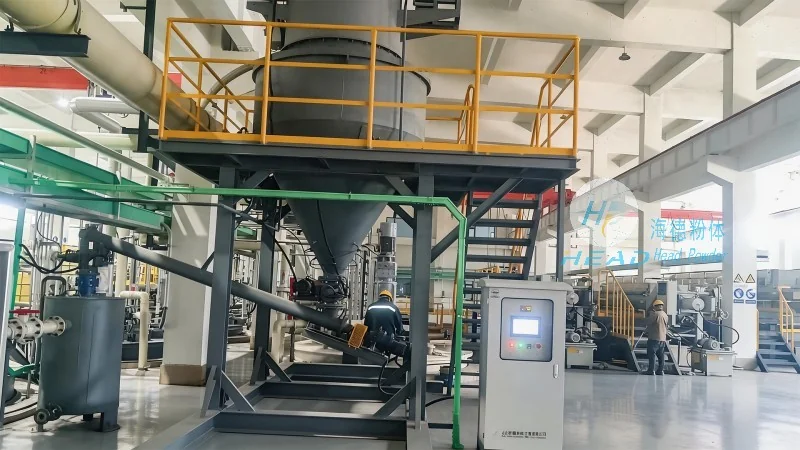
Operation Process of the Ammonia Fertilizer Pneumatic Conveying Machine
The operation of the ammonia fertilizer pneumatic conveying machine begins with the loading of the fertilizer into the hopper. The rotary valve then regulates the flow of material, releasing controlled quantities into the conveying pipeline as the blower generates a high-pressure air stream. The pressurized air propels the fertilizer particles through the pipeline, transporting them from the source to the destination. At the receiving end, the material is collected in a pressure vessel, where the air is filtered and vented, leaving the fertilizer ready for further processing or packaging. The entire process is automated and monitored to ensure consistent performance and minimal downtime.
Working Principle of the Ammonia Fertilizer Pneumatic Conveying Machine
The working principle of the ammonia fertilizer pneumatic conveying machine is based on the fundamental concept of pneumatic transport, where material is suspended and carried by a high-velocity air stream. The system operates under positive pressure, meaning the conveying pipeline is maintained at a pressure higher than the surrounding atmosphere. As the blower creates a pressure differential, the fertilizer particles are entrained by the air and transported through the pipeline. The velocity of the air is carefully controlled to ensure that the particles remain suspended without causing excessive wear on the pipeline or equipment components. The system also incorporates features such as air filtration and moisture control to maintain the quality of the fertilizer during transport.
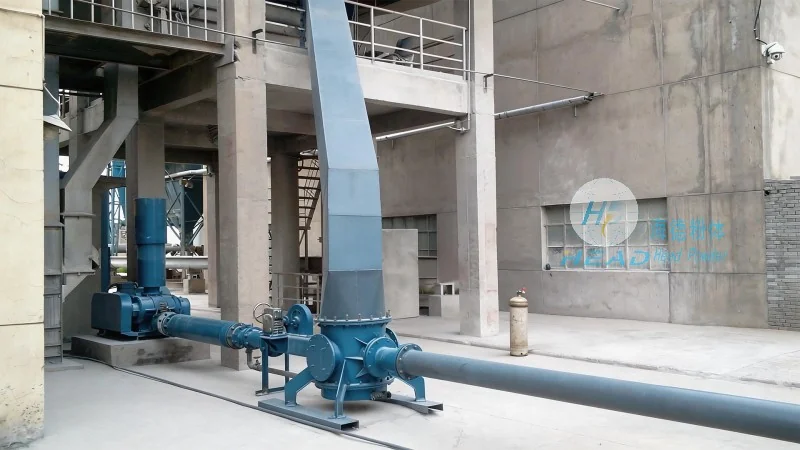
Technical Advantages and Applications
Ammonia fertilizer pneumatic conveying machines offer several technical advantages that make them ideal for industrial use. These include high conveying capacity, the ability to transport materials over long distances, and the flexibility to handle varying material types and particle sizes. The systems are also designed for low maintenance and high reliability, reducing operational costs and improving overall efficiency. In practical applications, these machines are commonly used in fertilizer manufacturing plants, storage facilities, and distribution centers to streamline the movement of ammonia-based fertilizers, ensuring timely delivery to agricultural and commercial users.
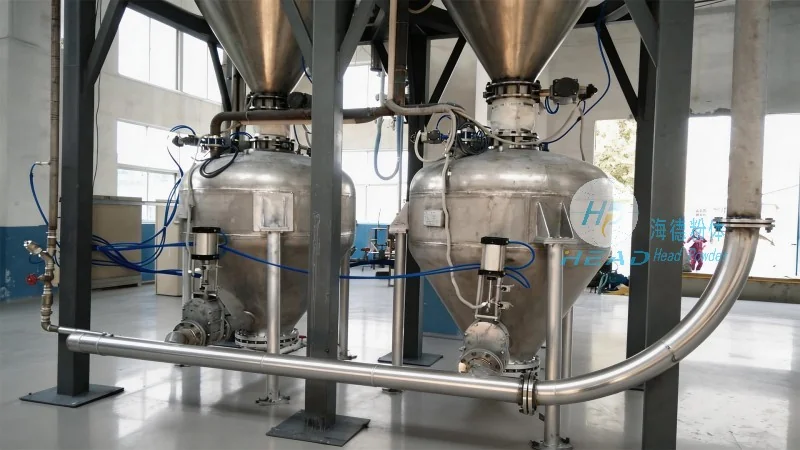
Quality Assurance and Safety Features
Shandong HeadPowder Engineering Co., Ltd. places a strong emphasis on quality assurance and safety in the design and manufacturing of its ammonia fertilizer pneumatic conveying machines. The equipment is constructed using high-quality materials, such as stainless steel and corrosion-resistant alloys, to withstand the harsh conditions of fertilizer handling. Safety features include pressure relief valves, emergency shut-off mechanisms, and air filtration systems to prevent dust and fumes from escaping into the environment. Regular maintenance and inspection protocols are also implemented to ensure the long-term performance and safety of the systems, providing customers with reliable and trustworthy equipment for their operations.
Conclusion
Ammonia fertilizer pneumatic conveying machines represent a sophisticated solution for the efficient and safe transportation of ammonia-based fertilizers. With its advanced design and robust construction, the system offers significant benefits in terms of productivity, cost-effectiveness, and environmental compliance. As a leading manufacturer in the industry, Shandong HeadPowder Engineering Co., Ltd. continues to innovate and improve its pneumatic conveying systems, providing customers with reliable equipment that meets the evolving demands of the fertilizer sector. The combination of technical expertise and commitment to quality ensures that these machines remain a preferred choice for industrial applications worldwide.