

What Methods Can Be Used for Glass Slag Conveying?
When it comes to the handling and transportation of glass slag, selecting the right conveying method is crucial for efficiency, safety, and cost-effectiveness. Glass slag, a byproduct of glass manufacturing processes, requires specialized equipment and systems to manage its unique properties, such as high temperature, abrasive nature, and irregular shapes. The choice of conveying method depends on factors like the volume of slag, the distance to be transported, the environment (indoor or outdoor), and the specific requirements of the downstream processing or disposal operations. Shandong HeadPowder Engineering Co., Ltd., a leading provider of industrial conveying solutions, specializes in designing and manufacturing systems tailored to the unique challenges of glass slag handling.
Understanding Glass Slag and Its Conveying Challenges
Glass slag is a non-ferrous waste material generated during the production of glass products. It typically has a high temperature when freshly produced, is abrasive due to the presence of glass fragments, and may contain contaminants that can affect the performance of conveying equipment. These characteristics make it essential to use appropriate materials and designs for the conveying system to ensure longevity and minimal maintenance. The primary challenges in glass slag conveying include heat resistance, wear resistance, and the prevention of material buildup or blockages in the system.
Common Conveying Methods for Glass Slag
Several methods are commonly employed for glass slag transportation, each with its own advantages and applications. The most suitable method is often determined by the specific conditions of the glass manufacturing facility and the destination of the slag.
Mechanical Conveying Systems
Mechanical conveying systems are among the most widely used for glass slag due to their reliability and ability to handle high volumes. These systems typically include screw conveyors, belt conveyors, and chain conveyors, each designed to address different aspects of glass slag properties.
Screw conveyors, also known as auger conveyors, are ideal for vertical or inclined transport of glass slag. They consist of a rotating screw inside a trough, which moves the material forward. The design of the screw flights and the material of the trough (often made from high-temperature resistant alloys or wear-resistant materials like stainless steel or rubber-lined components) is critical to withstand the abrasive nature of glass slag. Screw conveyors are particularly effective for handling hot slag, as they can be equipped with heat-resistant coatings or insulated sections to prevent heat loss and equipment damage.

Belt conveyors are another common option, especially for horizontal or slightly inclined transport over longer distances. They use a continuous belt to move the slag from one point to another. The belt material is often reinforced with high-strength fabrics and coated with wear-resistant materials to resist the abrasive action of glass fragments. Belt conveyors can handle large volumes and are suitable for both indoor and outdoor applications, provided they are properly sealed and protected from environmental factors.
Chain conveyors, including bucket elevators and chain slat conveyors, are used for vertical or steeply inclined transport. Bucket elevators use a chain with attached buckets to lift the slag vertically, while chain slat conveyors move the material horizontally or at an angle. These systems are robust and can handle heavy loads, making them suitable for high-volume glass slag processing plants. The chains and buckets are typically made from wear-resistant materials to ensure durability in the presence of abrasive glass slag.
Gas-Powered Conveying Systems
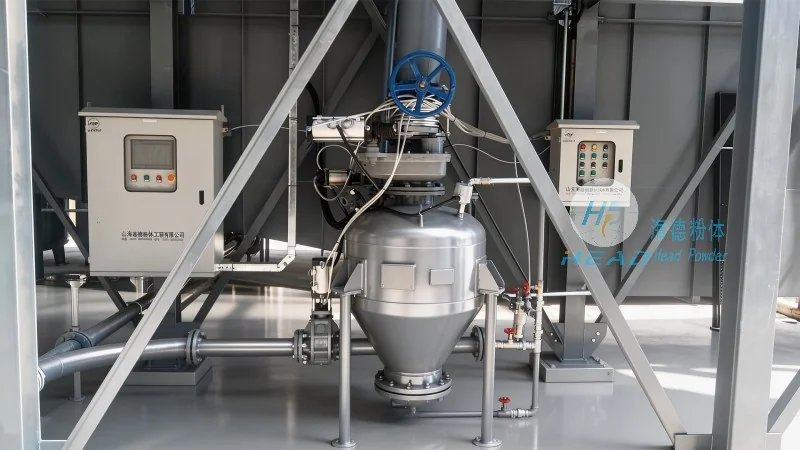
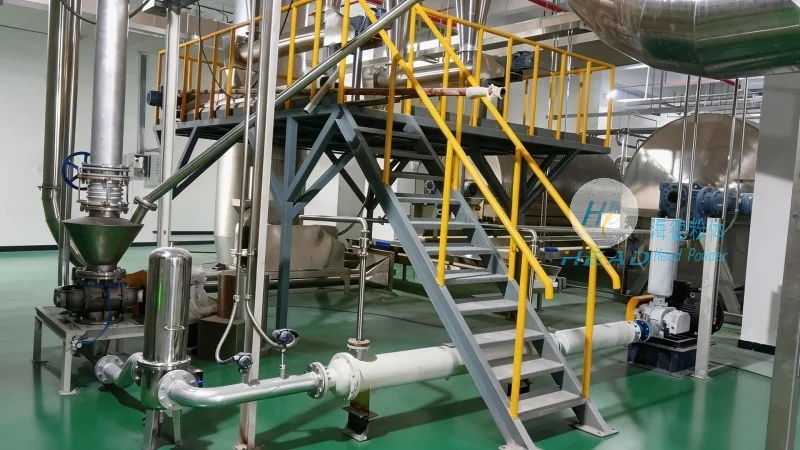
Gas or pneumatic conveying systems use air or other gases to transport glass slag particles through a pipeline. This method is particularly effective for fine or powdery glass slag and can be used for both short and long distances. The primary components of a pneumatic conveying system include a hopper, a blower or compressor, a pipeline, and a receiver or discharge point.
Positive displacement blowers are commonly used in pneumatic conveying systems for glass slag because they provide consistent air pressure and flow rates. The hopper feeds the glass slag into the pipeline, and the air pressure propels the material forward. The pipeline is usually made from stainless steel or other corrosion-resistant materials to prevent wear and blockages. Pneumatic conveying systems are advantageous for their ability to transport materials through vertical lifts and over long distances without the need for multiple transfer points. However, they require careful design to prevent material buildup and ensure efficient air flow, as glass slag can be abrasive and may cause blockages if not properly sized and maintained.
Hybrid Conveying Solutions
In some cases, a combination of mechanical and pneumatic conveying methods, known as hybrid systems, may be used to optimize the transport of glass slag. For example, a screw conveyor might be used to feed a pneumatic conveying system, or a belt conveyor might be integrated with a pneumatic transfer point to handle changes in direction or elevation. These hybrid solutions allow for greater flexibility and can improve overall system efficiency by leveraging the strengths of each method.
Key Considerations for Selecting a Conveying Method
When choosing a conveying method for glass slag, several factors must be carefully evaluated to ensure the system meets operational requirements and provides long-term reliability.
First, the volume and consistency of the glass slag need to be considered. High-volume applications may require mechanical systems like belt or chain conveyors, while lower volumes or fine materials might be better suited for pneumatic systems. The distance to be transported is another critical factor, as longer distances often necessitate more robust systems with higher power outputs.
Environmental conditions, such as indoor vs. outdoor operation and exposure to temperature variations, also influence the choice of equipment. Outdoor systems may require weather-resistant components and additional sealing to prevent dust and moisture ingress. Temperature control is essential, especially for hot slag, as it can affect the performance of materials and the efficiency of the conveying process.
Wear resistance and durability are paramount due to the abrasive nature of glass slag. Materials used in the construction of conveyors, such as wear-resistant alloys, rubber, or composite materials, must be selected to withstand the constant impact and friction of the slag particles. Regular maintenance and inspection are also crucial to identify and address wear or damage early, preventing system failures and downtime.