

Operation Process and Working Principle of Phenolic Resin Pneumatic Conveying Equipment
Phenolic resin, a type of thermosetting plastic, is widely used in various industrial applications due to its excellent mechanical properties, heat resistance, and chemical stability. The efficient handling and transportation of phenolic resin powders or granules are crucial for industrial processes. Pneumatic conveying systems offer a reliable and effective solution for this purpose, ensuring safe and continuous material transfer. This article provides an overview of the operation process and working principle of a phenolic resin pneumatic conveying machine, highlighting the key components and operational mechanisms, developed by Shandong HeadPowder Engineering Co., Ltd., a leading manufacturer in the field of material handling equipment based in China.
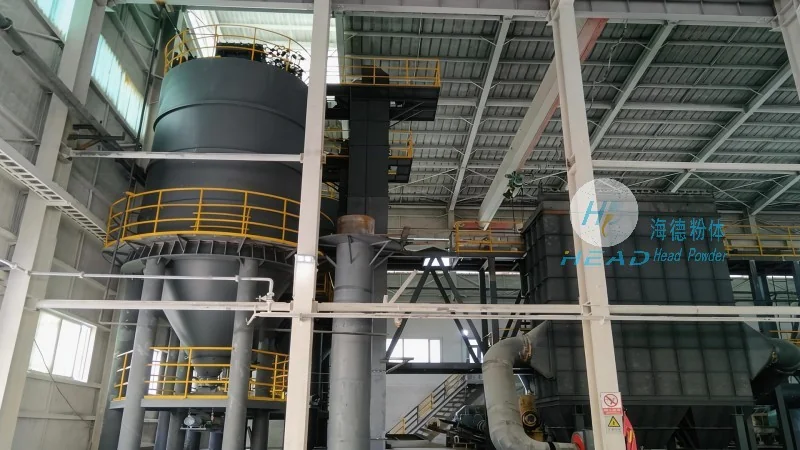
Key Components of the Pneumatic Conveying System
The phenolic resin pneumatic conveying machine typically consists of several essential components that work in tandem to achieve efficient material transport. These components include a hopper for material storage, a feeder to control the flow rate, a conveying line (usually made of metal or plastic pipes), a pressure vessel or receiver to collect the conveyed material, and a vacuum or pressure source (such as a blower or compressor) to generate the air flow. Additionally, the system may incorporate filters to remove dust and moisture, and a control panel to monitor and adjust the operational parameters. The design of these components is optimized to handle the specific characteristics of phenolic resin, ensuring minimal degradation and efficient transfer.
Working Principle of the Pneumatic Conveying Process
The operation of the phenolic resin pneumatic conveying machine involves the creation of a controlled air flow within the conveying line. The process begins with the material being fed from the hopper into the conveying line. The feeder regulates the amount of material entering the system, ensuring a consistent flow rate. Simultaneously, the air source generates a pressure or vacuum that propels the material along the pipe. As the air and material mixture travels through the conveying line, the material is suspended and transported to the receiver. The receiver collects the conveyed material, while the air is either vented to the atmosphere or recirculated through a filter to remove any entrained particles. This continuous cycle ensures the reliable and efficient transfer of phenolic resin from the source to the destination.
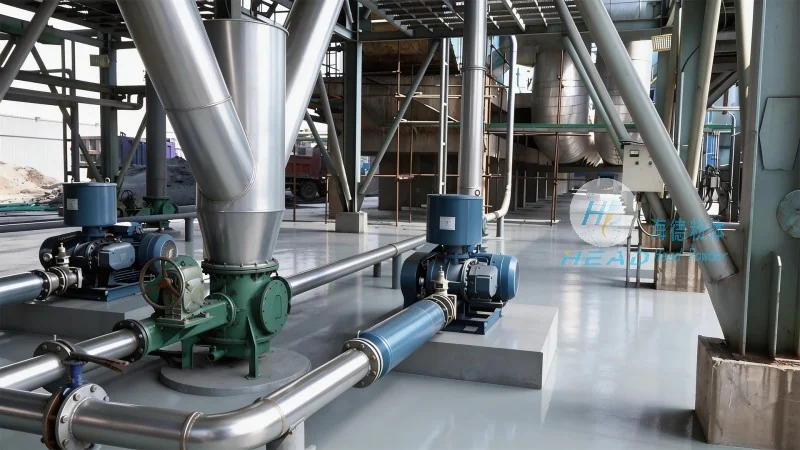
Operation Process: Step-by-Step Overview
The operation of the phenolic resin pneumatic conveying machine follows a systematic sequence to ensure smooth and efficient material transfer. The process starts with the loading of phenolic resin into the hopper. The feeder then activates, controlling the discharge rate of the material into the conveying line. The air source is then engaged, creating the necessary pressure or vacuum to initiate the conveying process. As the material is conveyed, the system continuously monitors the flow rate and pressure to maintain optimal performance. Upon reaching the receiver, the material is collected, and the system may undergo a cleaning cycle to remove any residual material from the pipes. This step-by-step operation ensures consistent and reliable performance, minimizing downtime and maximizing productivity. The entire process is designed to be automated, reducing the need for manual intervention and enhancing operational safety.
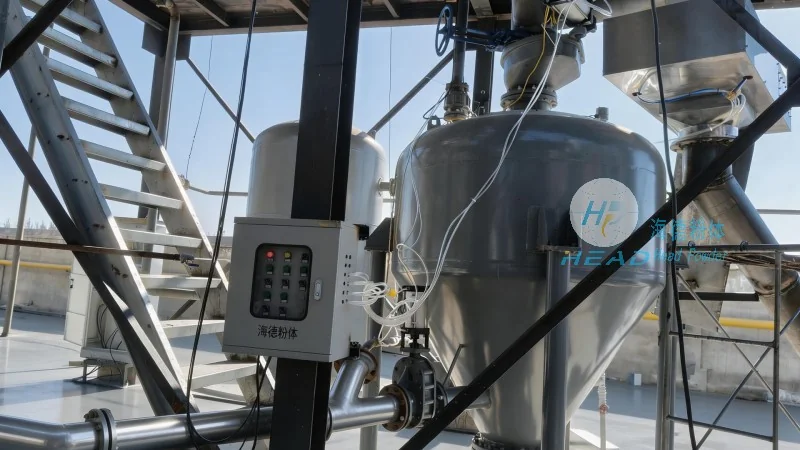
Advantages of Using Pneumatic Conveying for Phenolic Resin
Pneumatic conveying systems offer several advantages when handling phenolic resin. These include the ability to transport materials over long distances without the need for multiple transfer points, reduced risk of contamination due to enclosed systems, and lower maintenance requirements compared to mechanical conveying methods. Additionally, the system can handle varying material characteristics, such as different particle sizes and moisture content, making it versatile for various industrial applications. The efficient and safe operation of the phenolic resin pneumatic conveying machine contributes to improved overall process efficiency and product quality. The equipment is also designed to minimize dust emissions, aligning with environmental regulations and promoting a safer working environment.
Conclusion
In conclusion, the phenolic resin pneumatic conveying machine is a critical equipment for the efficient handling and transportation of phenolic resin materials. Understanding its operation process and working principle is essential for optimizing industrial processes and ensuring reliable material transfer. The system's design and components are tailored to meet the specific requirements of phenolic resin, providing a robust and effective solution for industrial applications. With proper operation and maintenance, the phenolic resin pneumatic conveying machine can deliver consistent performance, contributing to enhanced productivity and operational efficiency. As a leading manufacturer, Shandong HeadPowder Engineering Co., Ltd. continues to innovate and provide high-quality pneumatic conveying solutions that meet the evolving needs of the industry.