

The Operation Process and Working Principle of Bin Pump Powder Conveying
Bin pump powder conveying is a critical technology in the field of bulk material handling, widely used in various industrial sectors to transport powders and granular materials efficiently and reliably. This article provides a detailed overview of the operation process and working principle of bin pumps, highlighting their key components, operational steps, and practical applications.
Introduction to Bin Pump Powder Conveying
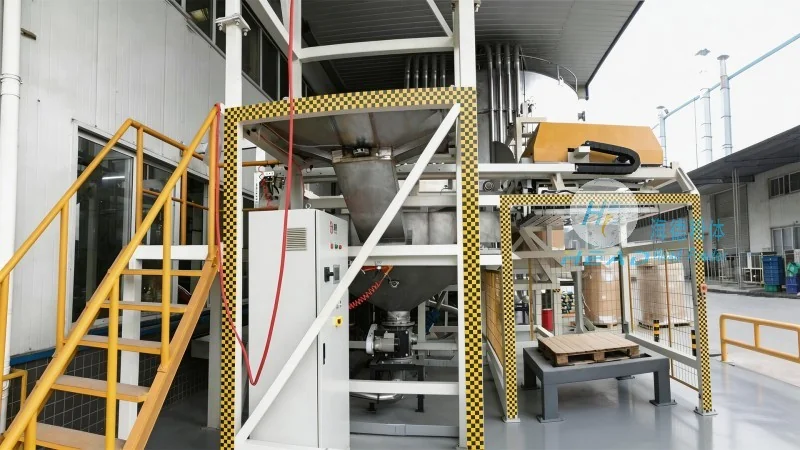
Bin pumps, also known as pressure vessels or pneumatic conveyors, are specialized equipment designed to transport bulk materials from a storage bin or hopper to a destination point. The system typically consists of a hopper, a bin pump unit, a conveying line, and a control system. The primary function of a bin pump is to create a pressure differential that propels the material through the pipeline, ensuring smooth and continuous flow. This technology is particularly advantageous for handling materials that are difficult to convey using traditional methods, such as fine powders, cohesive materials, or those prone to bridging or segregation.
Key Components of a Bin Pump System
The bin pump system comprises several essential components that work in tandem to achieve effective material transport. The main components include:
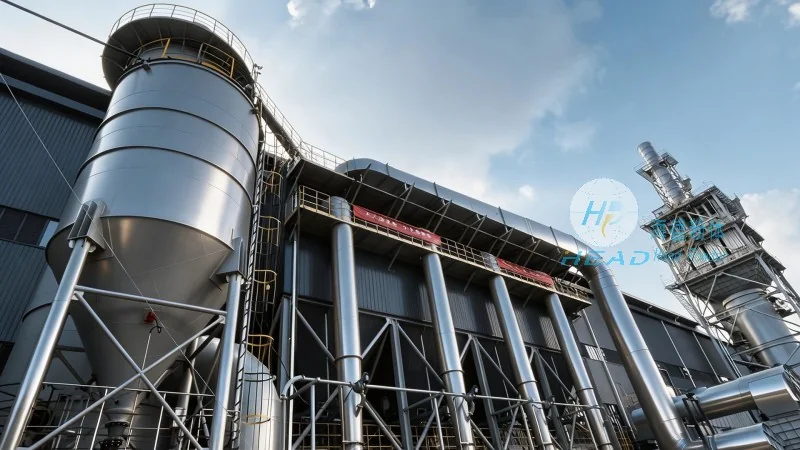
- Hopper: A storage container that holds the bulk material to be conveyed. The hopper is designed with a sloped bottom to facilitate material discharge and often includes a feeding mechanism, such as a rotary valve or a gate, to control the flow rate.
- Bin Pump Unit: The core of the system, which houses the pump chamber and the air compressor or blower. The pump chamber is a sealed vessel that generates the pressure needed to move the material. The air compressor provides the necessary air pressure to create the pressure differential.
- Conveying Line: A pipeline that connects the hopper to the discharge point. The line is typically made of materials like stainless steel or PVC to prevent material buildup and corrosion. The line may include fittings, elbows, and a receiver to collect the material at the end of the line.
- Control System: A system that monitors and controls the operation of the bin pump. This includes sensors for pressure, level, and flow, as well as a control panel that allows operators to adjust parameters such as air pressure, material feed rate, and discharge speed.
The Operation Process of Bin Pump Powder Conveying
The operation of a bin pump involves a series of steps that ensure the material is transported efficiently and safely. The process typically begins with the material being fed into the hopper from a storage silo or truck. The feeding mechanism controls the flow rate, preventing overloading or underloading of the hopper. Once the material reaches a certain level, the bin pump unit is activated. The air compressor starts, and the pump chamber is pressurized. The pressure differential created by the compressor forces the material to move from the hopper into the conveying line. As the material travels through the line, it is propelled by the air pressure until it reaches the discharge point, where it is collected in a receiver or a storage bin.
Working Principle of Bin Pump Powder Conveying
The working principle of a bin pump is based on the creation of a pressure differential between the hopper and the discharge point. The air compressor generates high-pressure air that is introduced into the pump chamber. This pressure pushes the material from the hopper into the conveying line. The material is then carried by the air stream, which acts as a carrier medium. The air and material mixture travels through the pipeline until it reaches the discharge point, where the air is separated from the material and exhausted, while the material is collected. The key to the efficiency of this system lies in the balance between the air pressure and the material's flow characteristics. Proper air pressure ensures that the material is moved without excessive pressure drop or material degradation.
Advantages of Bin Pump Powder Conveying
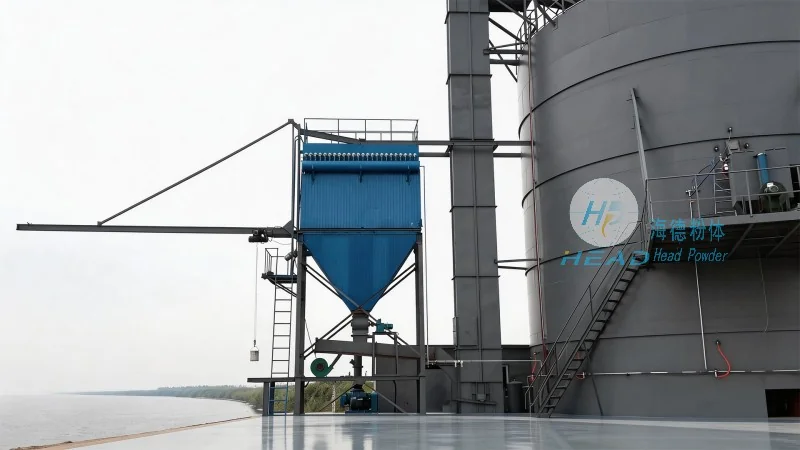
Bin pump powder conveying offers several advantages over traditional material handling methods. These include:
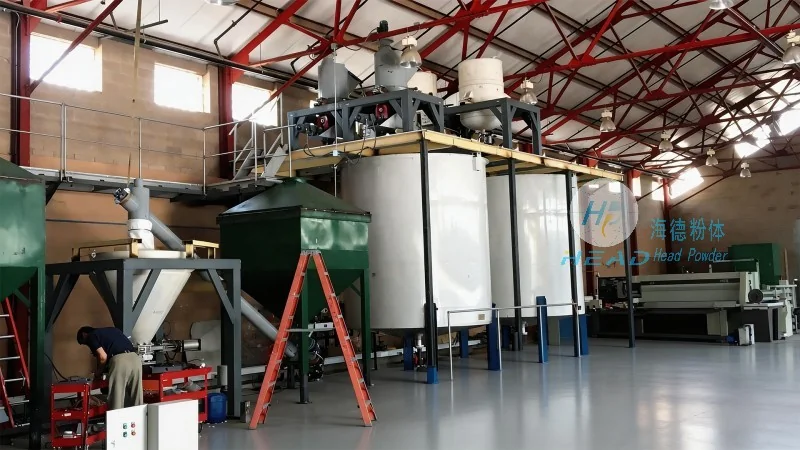
- Efficient Material Transport: The system can transport materials over long distances with minimal pressure loss, ensuring consistent flow rates.
- Low Maintenance: The components are designed for durability and minimal wear, reducing the need for frequent maintenance.
- Versatility: The system can handle a wide range of materials, including fine powders, granules, and even sticky or cohesive materials.
- Energy Efficiency: The use of air as a carrier medium is energy-efficient compared to other methods like belt conveyors or trucks.
- Reduced Downtime: The system is designed for continuous operation, minimizing downtime and increasing productivity.
Applications of Bin Pump Powder Conveying
Bin pump powder conveying is widely used in various industries, including:
- Pharmaceutical Industry: For transporting pharmaceutical powders and granules, ensuring a sterile and controlled environment.
- Food and Beverage Industry: For conveying food powders, such as flour, sugar, and spices, maintaining hygiene and quality.
- Chemical Industry: For handling chemical powders and granules, ensuring safety and preventing contamination.
- Mining and Minerals Industry: For transporting ore and other minerals from storage bins to processing plants.
- Construction Industry: For conveying cement, sand, and other building materials to construction sites.
Conclusion
Bin pump powder conveying is a highly effective and reliable technology for bulk material handling. By understanding the operation process and working principle of bin pumps, industries can optimize their material transport systems, improve efficiency, and reduce costs. With the right design and maintenance, bin pump systems can provide long-term performance and reliability, making them a preferred choice for many industrial applications.