

Operation Process and Working Principle of Soil Powder Conveying
Shandong HeadPowder Engineering Co., Ltd. is a prominent provider of advanced powder handling solutions, specializing in the development and implementation of soil powder conveying systems. These systems are engineered to efficiently transport loose, fine materials such as soil, sand, and other granular substances over extended distances with precision and reliability. The company's commitment to innovation ensures that their conveying systems meet the demands of modern industrial applications, offering high performance, low maintenance, and environmental compliance.
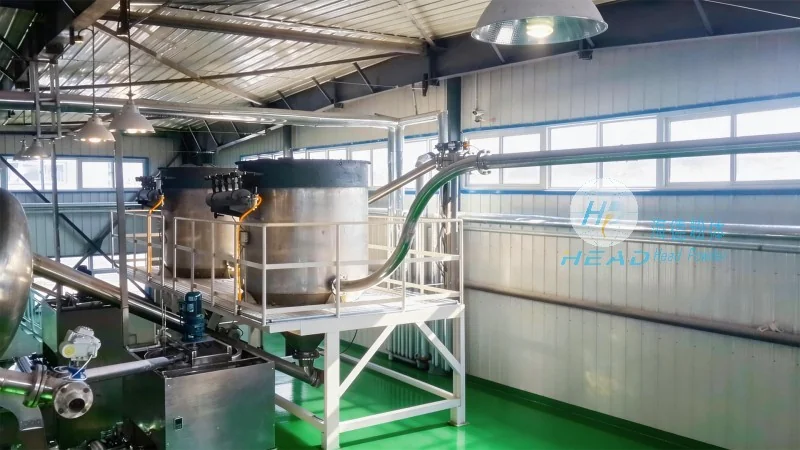
Working Principle of Soil Powder Conveying
The fundamental working principle of soil powder conveying systems revolves around the integration of mechanical and pneumatic components to facilitate material movement. The primary mechanism involves a conveyor system, typically a belt or flexible tube, which is driven by a motor and pulley assembly. The conveyor surface is often lined with durable materials like rubber or polyurethane to prevent material adhesion and ensure smooth flow. A feeding hopper or inlet is used to introduce the material, which is then uniformly distributed onto the conveyor. As the conveyor moves, the material is propelled forward by the continuous motion, leveraging gravity and mechanical force to maintain a consistent flow rate. In cases where fine powders are involved, pneumatic assistance may be employed, where compressed air is introduced to create a flow of material through a pipeline, enhancing transport efficiency and reducing particle segregation.
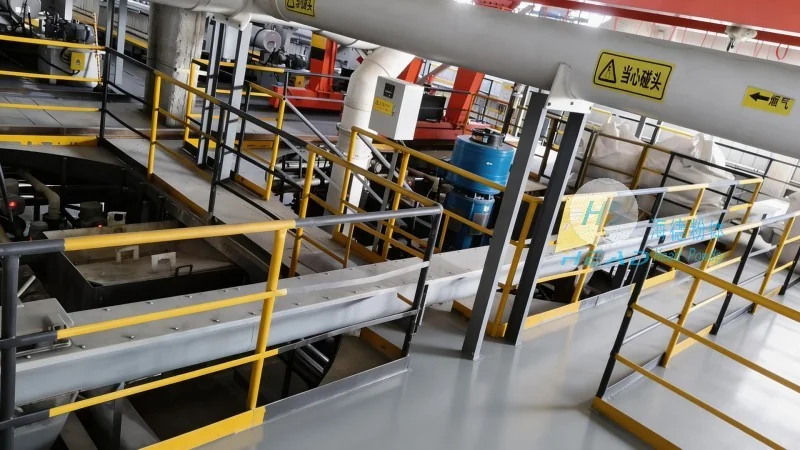
Key Components and Their Functions
Several critical components are integral to the operation of soil powder conveying systems. The feeding hopper or inlet is designed to handle bulk material input, often equipped with adjustable gates to control the flow rate and prevent overloading. The conveyor itself, whether a belt conveyor or a flexible tube, serves as the central transport medium. The drive system, including motors and pulleys, provides the necessary power to move the conveyor at a controlled speed, ensuring consistent material transport. A control panel allows operators to monitor and adjust parameters such as speed, pressure, and material flow, enabling real-time optimization. Additionally, the system may include intermediate transfer points or branching lines, allowing for the diversion of material to different destinations. The discharge mechanism at the end of the line ensures efficient collection of the conveyed material into a storage bin or processing unit.
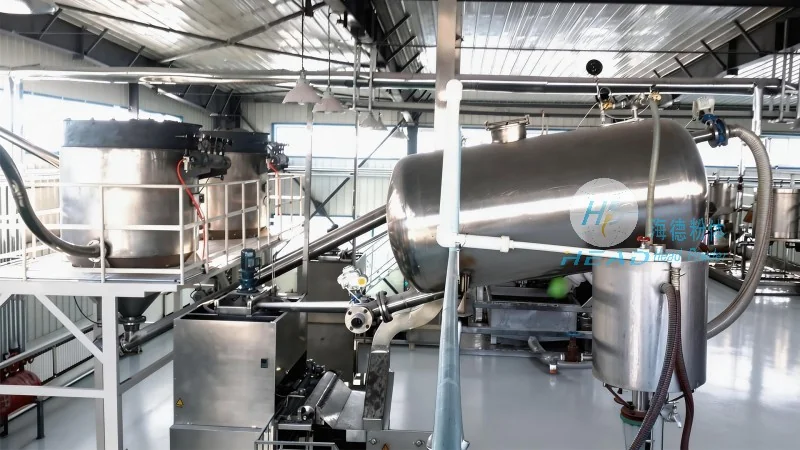
Operation Process: From Inlet to Outlet
The operation process of a soil powder conveying system begins with material loading into the feeding hopper. The material is then discharged onto the conveyor surface through a controlled opening, ensuring a uniform feed. As the conveyor moves, the material travels from the inlet to the outlet, with the speed and tension of the conveyor adjusted to maintain a stable flow. In pneumatic conveying systems, compressed air is introduced to create a flow of material through a pipeline, where the air pressure propels the powder forward. The system may incorporate intermediate storage or transfer points, allowing for branching or merging of the conveying line. At the end of the line, the material is discharged into a collection bin or processing unit, completing the transport cycle. Throughout this process, the system is designed to minimize material degradation, maintain particle size distribution, and ensure consistent delivery to the next stage of processing. The enclosed design of many conveying systems also helps reduce dust emissions, enhancing workplace safety and environmental compliance.
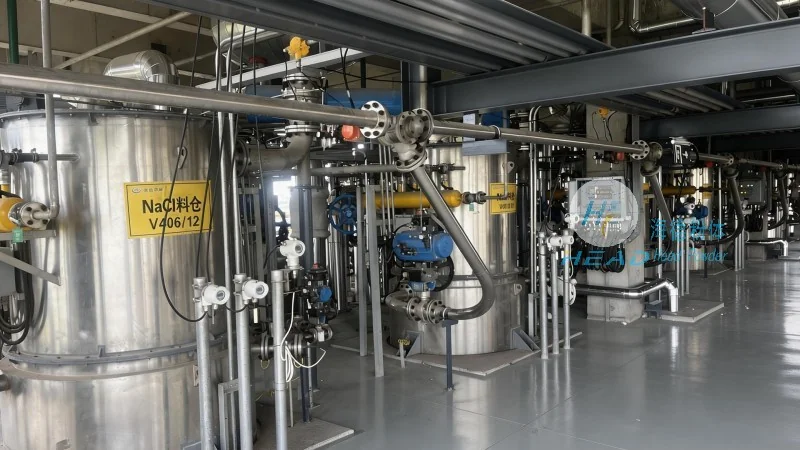
Advantages and Applications
Soil powder conveying systems offer several advantages over traditional methods, including high efficiency, low energy consumption, and the ability to handle abrasive and fine materials. They are widely used in construction, mining, and agricultural industries, where the transport of earth, sand, and other powders is essential. The systems are particularly effective in applications requiring long-distance transport, as they can cover distances of several hundred meters with minimal loss of material. The adaptability of these systems to various material types and operational conditions makes them a preferred choice for industries seeking reliable and cost-effective powder handling solutions. Additionally, the enclosed design reduces dust pollution, improving air quality and meeting environmental regulations. The systems are also designed for easy maintenance, with replaceable components that minimize downtime and operational costs.