

What Conveying Methods Are Suitable for Graphite Lumps?
Graphite, a versatile material widely used in various industries, often requires efficient and reliable methods for handling and conveying its lumps or fragments. The proper selection of a conveying system is crucial to ensure smooth operation, minimize material loss, and maintain product quality. This article explores the common and effective methods for graphite lump conveying, with a focus on practical applications and industry standards.
Company Introduction
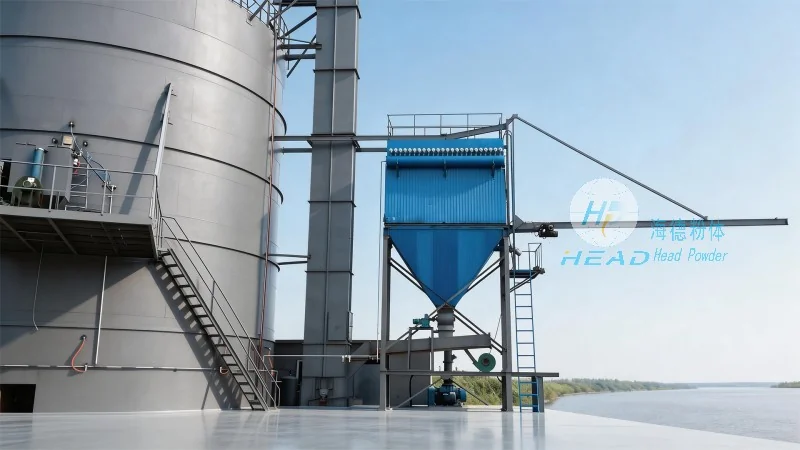
As a leading provider in the field, Shandong HeadPowder Engineering Co., Ltd., commonly known as HeadPowder, specializes in the design, manufacturing, and supply of advanced material handling solutions. With years of experience and a commitment to quality, HeadPowder offers tailored conveying systems that meet the specific needs of clients, including those working with graphite and other similar materials.
Screw Conveyors for Graphite Lump Conveying
Screw conveyors, also known as auger conveyors, are a popular choice for graphite lump conveying due to their simplicity and effectiveness. These systems consist of a rotating screw inside a trough, which moves material forward through the screw's flights. For graphite lumps, a heavy-duty screw with a larger pitch and robust construction is recommended to handle the abrasive nature of the material. The design allows for vertical or inclined conveying, making it suitable for both horizontal and vertical transport. HeadPowder's screw conveyors are engineered with high-quality materials, ensuring durability and minimal wear, which is essential for long-term operation with graphite.
Belt Conveyors in Graphite Lump Transport
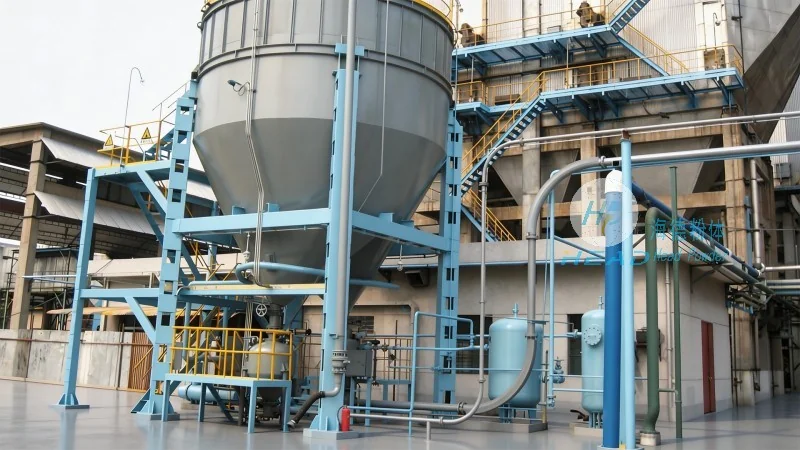
Belt conveyors are another widely used method for graphite lump transport, especially in large-scale operations. These systems utilize a continuous belt that moves material from one point to another, often with the aid of idlers and pulleys. The belt material is typically chosen to resist abrasion and chemical exposure, as graphite can be corrosive in certain environments. HeadPowder's belt conveyors are designed with reinforced belts and sturdy frames, capable of handling heavy loads and maintaining consistent speed. This method is particularly effective for long-distance horizontal conveying, where the belt's flexibility and durability provide reliable performance.
Pneumatic Conveying Systems for Graphite
Pneumatic conveying systems offer a more flexible and enclosed method for graphite lump transport, especially when dealing with dust or fine particles that may be generated during handling. These systems use air pressure to move material through a pipeline, with the material suspended in the air stream. There are two main types: pressure and vacuum systems. Pressure systems are suitable for short to medium distances, while vacuum systems are better for longer distances or when material needs to be collected from multiple points. HeadPowder's pneumatic conveying solutions are designed with efficient air distribution and material separation mechanisms, ensuring minimal material degradation and high transfer efficiency.
Vibrating Conveyors for Gentle Graphite Handling
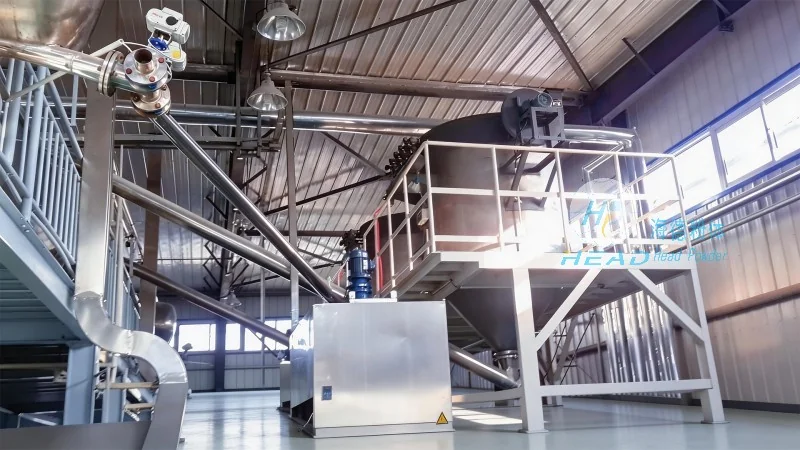
Vibrating conveyors are an alternative method for graphite lump conveying, particularly in applications where gentle handling is required to prevent material breakage. These systems use a vibrating motion to move material along a trough, with the vibration frequency and amplitude carefully controlled to optimize transport. The design allows for both horizontal and inclined transport, and the gentle motion minimizes the risk of material degradation. HeadPowder's vibrating conveyors are equipped with adjustable parameters, enabling customization to suit different graphite lump sizes and properties.
Conclusion: Selecting the Right Conveying Method
Selecting the appropriate conveying method for graphite lumps depends on several factors, including the material's properties, the distance to be covered, the required speed, and the environmental conditions. HeadPowder, with its expertise and comprehensive product line, provides tailored solutions that address these factors and ensure efficient, reliable, and cost-effective graphite lump conveying. By understanding the different methods and their applications, industries can choose the best system to meet their specific needs and maintain the quality of their graphite products.