

Operation Process and Working Principle of Carbon Black Powder Handling Equipment
Carbon black powder handling equipment is a specialized system designed to efficiently transport and manage carbon black, a critical industrial material used in various applications such as rubber, plastics, and pigments. The operation process and working principle of such equipment are essential for ensuring optimal performance, safety, and reliability in industrial settings. This article provides a detailed overview of the key components, operational steps, and underlying principles that govern the effective handling of carbon black powder.
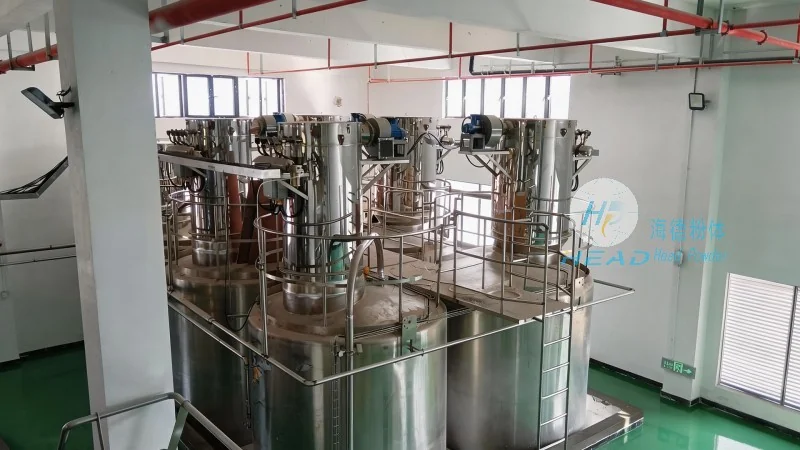
Overview of Carbon Black Powder Handling Equipment
Carbon black powder handling equipment, as offered by Shandong HeadPowder Engineering Co., Ltd., is engineered to address the unique challenges associated with carbon black's properties, including its fine particle size, high density, and potential for dust generation. The system typically comprises several interconnected components, including feeders, conveyors, storage silos, and control systems, all working in harmony to facilitate seamless material flow. The design prioritizes dust control, material flow optimization, and operational safety, making it suitable for both small-scale and large-scale industrial applications.
Key Components and Their Functions
The core components of carbon black powder handling equipment include: 1. Feeders: These devices, such as rotary valves or screw feeders, are responsible for accurately metering and controlling the flow of carbon black from storage silos to the conveyor system. The feeder's design ensures consistent material feed rates, which is crucial for maintaining stable downstream processes. 2. Conveyors: Common types include pneumatic conveying systems (e.g., positive pressure or negative pressure) and mechanical conveyors (e.g., belt or screw conveyors). Pneumatic systems are often preferred for carbon black due to their ability to handle fine powders over long distances with minimal dust exposure. 3. Storage Silos: Large-capacity silos are used to store bulk carbon black, providing a buffer for continuous operation and ensuring a steady supply of material. The silos are equipped with pressure relief valves and level sensors to monitor and maintain safe operating conditions. 4. Control Systems: Advanced control panels and sensors are integrated to monitor parameters like flow rate, pressure, temperature, and material level. These systems enable real-time adjustments and automated responses to maintain optimal performance and prevent equipment damage or material loss.
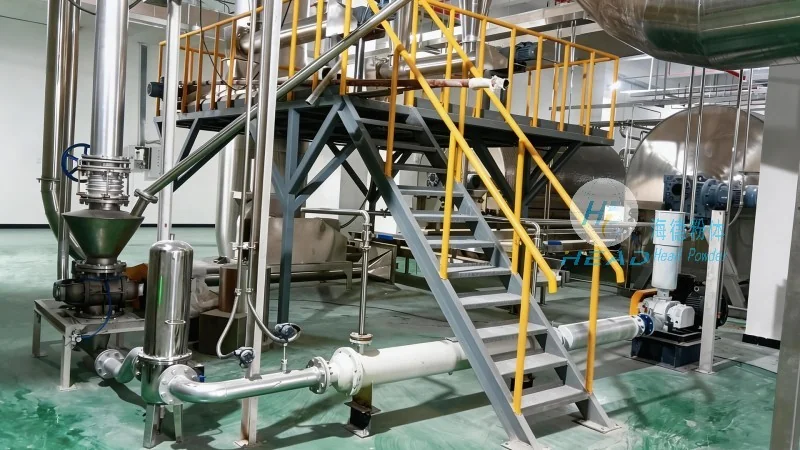
Operation Process of Carbon Black Powder Handling Equipment
The operation process of carbon black powder handling equipment involves several sequential steps, each critical to the overall efficiency and safety of the system. The process typically begins with the loading of carbon black into the storage silo. Once the silo is filled, the feeder starts to discharge the material at a pre-set rate. The material then moves through the conveyor system, which transports it to the processing or packaging area. Throughout this process, the control system continuously monitors key parameters and adjusts the feeder speed or conveyor speed as needed to maintain a stable flow. For example, if the material flow rate decreases, the control system may increase the feeder speed to compensate. The entire operation is designed to be automated, minimizing human intervention and reducing the risk of errors or accidents.
Working Principle of Carbon Black Powder Handling Equipment
The working principle of carbon black powder handling equipment is based on the principles of fluid dynamics and mechanical engineering. In pneumatic conveying systems, for instance, the carbon black powder is suspended in a stream of air and transported through pipes. The pressure difference between the inlet and outlet of the system creates the necessary force to move the material. The system's design ensures that the air velocity is sufficient to keep the powder particles suspended, preventing clogging and ensuring smooth material flow. In mechanical conveyors, the principle is based on the physical movement of the material by the conveyor mechanism, such as a rotating screw or a moving belt. The mechanical action ensures that the material is transported efficiently without excessive friction or wear. The integration of these principles allows the equipment to handle carbon black powder reliably and safely, even under varying operating conditions.
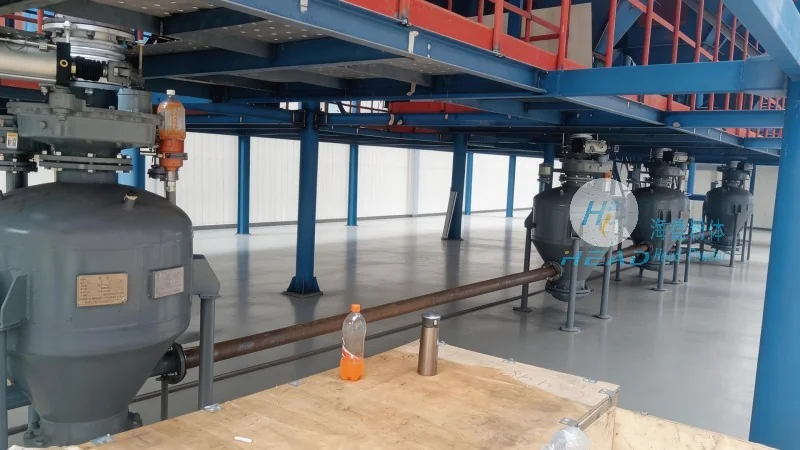
Benefits and Applications of Carbon Black Powder Handling Equipment
Carbon black powder handling equipment offers several benefits that make it indispensable in industrial applications. The primary benefits include: 1. Efficient Material Handling: The equipment ensures consistent and reliable transport of carbon black, reducing downtime and improving production efficiency. 2. Dust Control: Advanced dust collection systems and sealed components minimize the release of carbon black dust into the environment, enhancing workplace safety and compliance with environmental regulations. 3. Space Optimization: The compact design of the equipment allows for efficient use of industrial space, making it suitable for both new and existing facilities. 4. Customization: Shandong HeadPowder Engineering Co., Ltd. offers customized solutions tailored to specific customer requirements, including different conveyor capacities, material types, and operational environments. The equipment is widely used in industries such as rubber manufacturing, plastic production, and pigment processing, where carbon black is a key ingredient.
Conclusion
Carbon black powder handling equipment, as exemplified by the solutions from Shandong HeadPowder Engineering Co., Ltd., plays a vital role in the efficient and safe management of carbon black in industrial settings. By understanding the operation process and working principle of such equipment, industries can optimize their material handling processes, improve productivity, and ensure compliance with safety and environmental standards. The integration of advanced components and control systems in modern carbon black powder handling equipment continues to enhance its performance and reliability, making it an essential asset for any facility dealing with carbon black.