

Operation Process and Working Principle of Mineral Sand Powder Conveying Lines
Understanding the operation process and working principle of mineral sand powder conveying lines is crucial for optimizing material handling efficiency in industrial applications. These systems are designed to transport fine mineral powders, such as those used in mining, chemical processing, and construction industries. Shandong HeadPowder Engineering Co., Ltd., a leading manufacturer in the field, specializes in developing advanced conveying solutions tailored to the unique needs of mineral sand processing. The following sections will delve into the key components, operational steps, and technical principles that govern the effective functioning of these conveying systems.
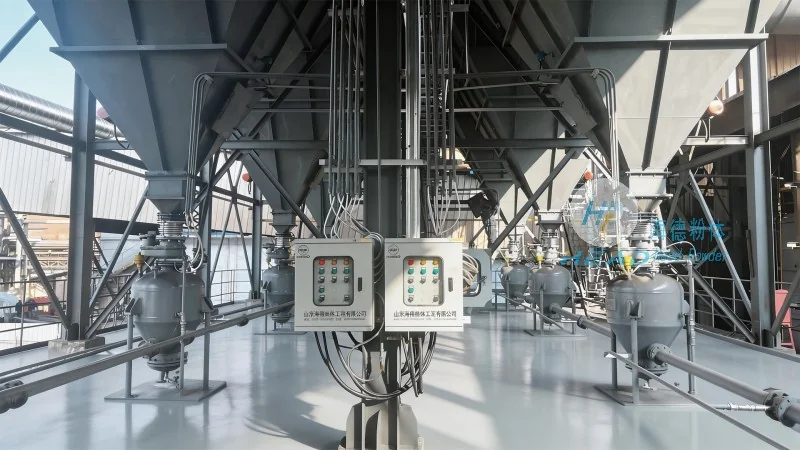
Key Components of Mineral Sand Powder Conveying Systems
Mineral sand powder conveying lines typically consist of several essential components that work in tandem to ensure smooth material transport. The primary components include a feeding mechanism, a conveyor system (often using pneumatic or mechanical methods), a control unit, and a discharge system. Each component plays a vital role in maintaining the integrity and efficiency of the conveying process.
The feeding mechanism is responsible for introducing the mineral sand powder into the system. This can be achieved through hoppers, feeders, or rotary valves, which regulate the flow rate and prevent material buildup. The conveyor system, which may utilize air pressure (pneumatic conveying) or mechanical force (e.g., screw conveyors, belt conveyors), is the core of the system, responsible for transporting the powder from the inlet to the outlet. The control unit monitors and adjusts parameters such as pressure, flow rate, and speed to maintain optimal performance. Finally, the discharge system collects the conveyed material and directs it to the desired destination, such as storage silos or processing equipment.
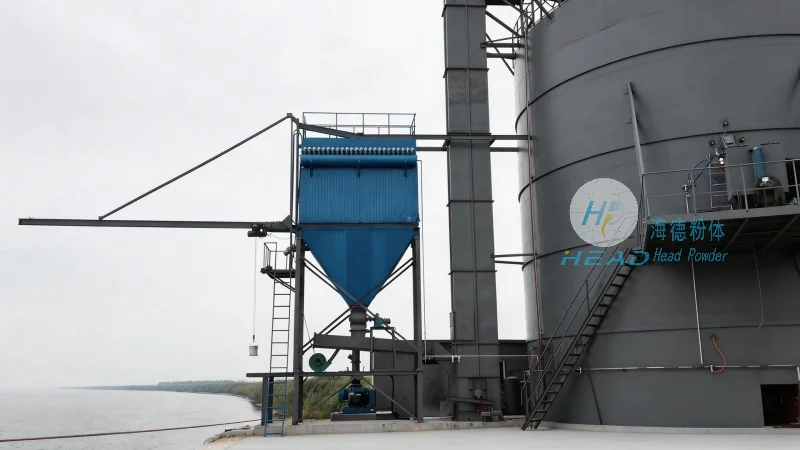
Working Principle of Mineral Sand Powder Conveying Lines
The working principle of mineral sand powder conveying lines is based on the principles of fluidization and air movement. In pneumatic conveying systems, for example, compressed air is used to create a flow that lifts and transports the powder particles through a pipeline. The air acts as a carrier medium, carrying the fine particles along the path of least resistance. The velocity of the air is critical; it must be sufficient to overcome the gravitational forces acting on the particles while maintaining a stable flow without causing excessive pressure drops or particle degradation.
In mechanical conveying systems, such as screw or belt conveyors, the principle is different. These systems rely on mechanical force to move the powder. Screw conveyors use rotating screws to push the material forward, while belt conveyors use a moving belt to transport the powder. Both methods are effective for handling mineral sand powders, but pneumatic systems are often preferred for fine powders due to their ability to handle high volumes and minimize material degradation.
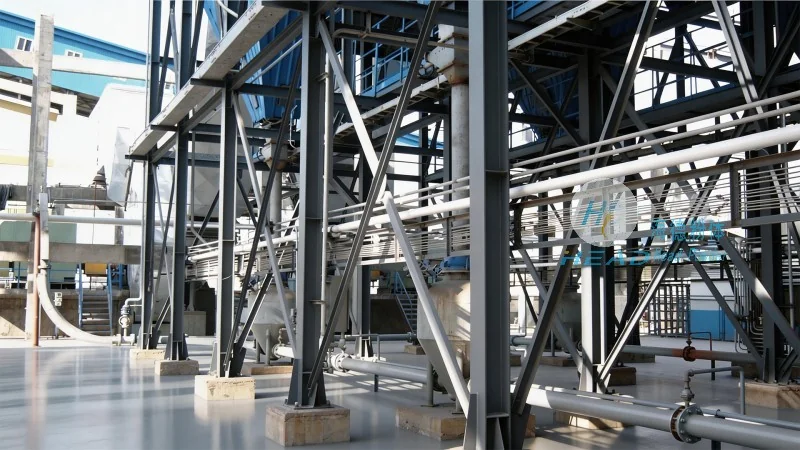
Operation Process of Mineral Sand Powder Conveying Lines
The operation process of mineral sand powder conveying lines involves several sequential steps that ensure consistent and efficient material transport. The process begins with the preparation of the material, where the mineral sand powder is stored in a hopper or silo. The feeding mechanism then regulates the flow of the powder into the conveyor system. The control unit monitors the system parameters, such as pressure and flow rate, and adjusts them as needed to maintain optimal performance. The conveyor system then transports the powder through the pipeline to the discharge point. The discharge system collects the material and directs it to the next stage of processing or storage. Throughout the process, the system is continuously monitored for any deviations, and adjustments are made to ensure the smooth operation of the conveying line.
Benefits and Applications of Mineral Sand Powder Conveying Lines
Mineral sand powder conveying lines offer several benefits in industrial applications, including high efficiency, low maintenance, and the ability to handle fine powders without degradation. These systems are widely used in mining operations to transport ore powders from processing plants to storage facilities. In chemical processing, they are used to transport raw materials and finished products between processing units. In construction, they are used to transport sand and other fine materials for concrete production. The flexibility of these systems allows them to be adapted to various industrial needs, making them a versatile solution for material handling in the mineral sand industry.