

What Methods Are Available for Conveying Coking Coal and Stone Powder?
Conveying coking coal and stone powder is a critical process in various industrial applications, particularly in the steel and mining sectors. The efficiency and reliability of the conveying system directly impact production output and operational costs. Shandong HeadPowder Engineering Co., Ltd., a leading provider in the field, offers a range of effective solutions tailored to meet diverse industrial needs. This article explores the primary methods used for transporting coking coal and stone powder, highlighting the advantages and applications of each approach.
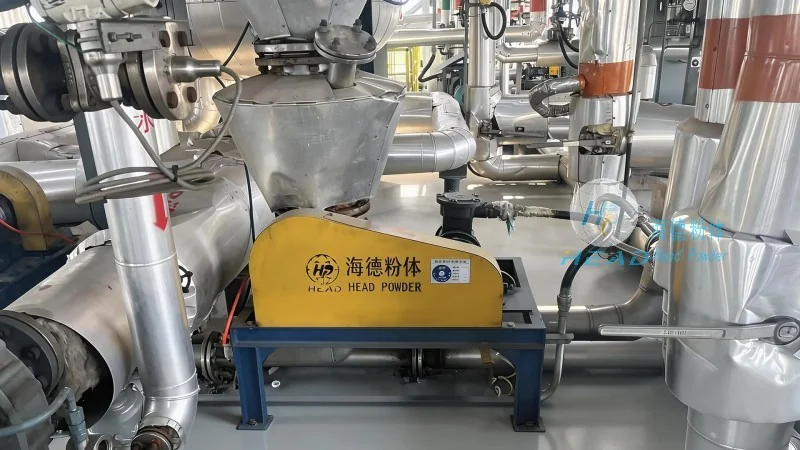
1. Belt Conveyor Systems
Belt conveyors are among the most common and versatile methods for transporting bulk materials like coking coal and stone powder. These systems utilize a continuous loop of belt, typically made from rubber or synthetic materials, to move materials from one location to another. The belt is supported by rollers and pulleys, ensuring smooth and consistent movement. For coking coal and stone powder, belt conveyors are particularly effective due to their ability to handle large volumes at high speeds. They are widely used in mining operations, coal processing plants, and steel mills. The design of the belt conveyor can be customized to suit the specific characteristics of the material, such as particle size and moisture content. This adaptability makes belt conveyors a preferred choice for many industrial applications. The system is also relatively low-maintenance compared to other conveying methods, reducing downtime and operational expenses. Additionally, belt conveyors can be integrated with other equipment, such as crushers and screens, to form a complete material handling system. This integration enhances overall efficiency and streamlines the production process.
2. Screw Conveyors
Screw conveyors, also known as auger conveyors, are another popular method for transporting coking coal and stone powder. These systems consist of a rotating screw (auger) enclosed in a tube or trough. The screw rotates, pushing the material forward along the length of the conveyor. Screw conveyors are particularly suitable for materials that are free-flowing and non-abrasive. They are commonly used in applications where the material needs to be elevated or moved horizontally over short distances. The design of the screw conveyor allows for precise control over the material flow rate, which is crucial for maintaining consistent production levels. The screw's pitch and diameter can be adjusted to optimize the conveying performance for different materials. For coking coal and stone powder, screw conveyors are effective in handling materials with varying particle sizes, as the screw's design can accommodate different sizes without causing blockages. The system is also compact and can be installed in confined spaces, making it ideal for plants with limited floor space. However, screw conveyors may not be suitable for very abrasive or sticky materials, as this can lead to increased wear and tear on the screw and trough. Regular maintenance is essential to ensure the longevity and efficiency of the screw conveyor system.
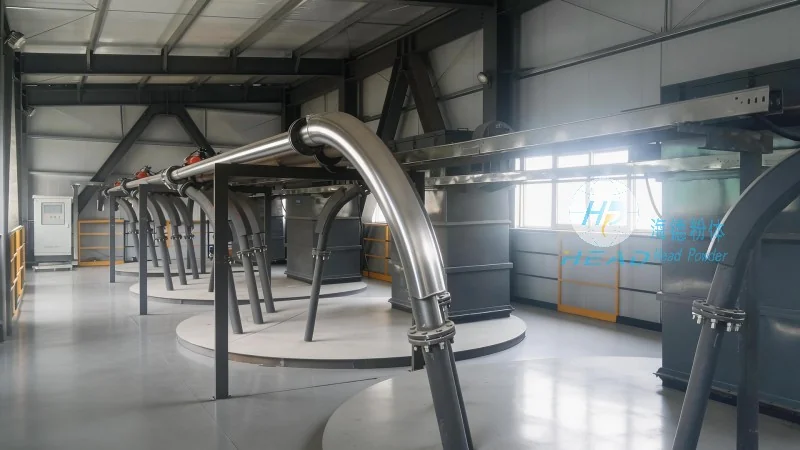
3. Pneumatic Conveying Systems
Pneumatic conveying systems use air or gas to transport coking coal and stone powder through a pipeline. These systems are ideal for materials that are dusty or require a dust-free environment. The material is fed into the system and then carried by the air flow through the pipeline to the destination. Pneumatic conveyors are particularly effective for transporting materials over long distances or in complex layouts, as the pipeline can be easily routed around obstacles. The system can be designed as a pressure or vacuum system, depending on the specific requirements. Pressure systems use compressed air to push the material through the pipeline, while vacuum systems use suction to draw the material. For coking coal and stone powder, pneumatic conveying is often used in applications where the material needs to be transported without contact with other equipment, such as in food processing or pharmaceutical industries. However, pneumatic systems require higher energy input compared to other conveying methods, as the air flow needs to be maintained at a consistent pressure or vacuum. The system also needs to be properly sealed to prevent material leakage and air loss. Regular inspection of the pipeline and air filters is necessary to ensure the system operates efficiently and safely.
4. Bucket Elevators
Bucket elevators are vertical conveying systems that use buckets attached to a chain or belt to transport coking coal and stone powder. The buckets are filled with material at the bottom of the elevator and then lifted vertically to the top, where the material is discharged. Bucket elevators are particularly suitable for materials that need to be elevated to a significant height, such as in coal handling plants or cement factories. They are also effective for transporting materials with high moisture content or that are prone to caking. The design of the bucket elevator allows for high capacity and continuous operation, making it a reliable choice for heavy-duty applications. The buckets are typically made from durable materials, such as steel or rubber, to withstand the abrasive nature of the material. The system is also relatively low maintenance, as the moving parts are enclosed and protected from the material. However, bucket elevators have a limited horizontal reach and are primarily used for vertical transport. The speed and capacity of the elevator can be adjusted to meet the specific needs of the application. For coking coal and stone powder, bucket elevators are commonly used in coal preparation plants to transport raw coal from the ground level to the processing facilities. The system ensures that the material is transported efficiently and safely, minimizing the risk of accidents and material loss.
5. Chain Conveyors
Chain conveyors are a type of belt conveyor that uses a chain instead of a belt to transport coking coal and stone powder. The chain is supported by rollers and moves over sprockets, carrying the material along the conveyor. These systems are particularly effective for materials that are heavy or have high abrasiveness, as the chain can withstand the impact and wear. Chain conveyors are commonly used in mining operations and heavy industry, where the material is often large and dense. The design of the chain conveyor allows for high load capacity and durability, making it suitable for long-term use. The chain can be equipped with attachments, such as buckets or pans, to handle different types of materials. For coking coal and stone powder, chain conveyors are often used in applications where the material needs to be transported over long distances or at high speeds. The system is also relatively easy to maintain, as the chain can be replaced or repaired without major downtime. However, chain conveyors may require more maintenance compared to other conveying methods, as the chain and sprockets need regular lubrication and inspection. The system is also more expensive to install initially, but the long-term benefits in terms of durability and efficiency make it a worthwhile investment for many industrial applications.
6. Hydraulic Conveyors
Hydraulic conveyors use hydraulic power to transport coking coal and stone powder. These systems consist of a hydraulic cylinder that pushes the material along a trough or pipeline. The hydraulic system provides the necessary force to move the material, which is particularly useful for handling heavy or sticky materials. Hydraulic conveyors are commonly used in applications where the material needs to be transported in a controlled manner, such as in the food industry or chemical processing. The system can be designed to handle materials with varying properties, including those that are wet or have high viscosity. The hydraulic pressure can be adjusted to optimize the conveying performance for different materials. For coking coal and stone powder, hydraulic conveyors are often used in coal preparation plants to transport materials that have been washed or processed. The system ensures that the material is transported efficiently and without damage, maintaining the quality of the product. However, hydraulic systems require specialized maintenance and expertise, as the hydraulic components need regular inspection and repair. The system is also more complex and expensive compared to other conveying methods, but the ability to handle difficult materials makes it a valuable option for certain industrial applications.