

Operation Process and Working Principle of Small Bag Quantitative Weighing Powder Conveying Machine
Small bag quantitative weighing powder conveying machines are essential equipment in the powder handling industry, designed to accurately measure and transport powders from small bags into processing systems. This article provides a detailed overview of the operation process and working principle of such machines, highlighting their key components and functional mechanisms.
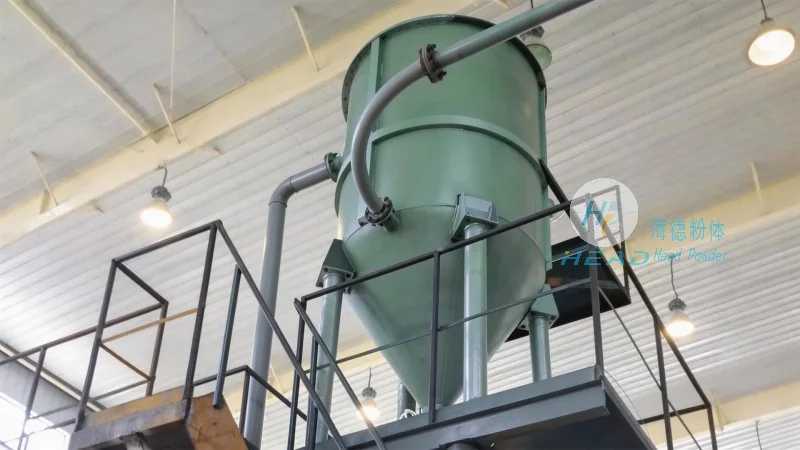
Introduction to Small Bag Quantitative Weighing Powder Conveying Machines
These machines are widely used in industries such as pharmaceuticals, food processing, and chemical manufacturing, where precise powder dosing is critical for product quality and consistency. The system typically integrates bag opening, material discharge, and weighing functions to ensure that the correct amount of powder is transferred to the next stage of production. The design emphasizes efficiency, accuracy, and safety, making it a reliable solution for bulk powder handling applications.
Key Components and Their Functions
The small bag quantitative weighing powder conveying machine consists of several core components that work in tandem to achieve accurate material transfer. The primary components include a bag opening mechanism, a hopper or receiving chamber, a weighing scale system, a conveyor or discharge system, and a control unit. Each component plays a crucial role in the overall operation, as described below:
1. Bag Opening Mechanism: This component is responsible for opening the small bags to allow the powder to be discharged. It may use mechanical or pneumatic actuators to cut or tear the bag opening, ensuring a clean and consistent opening process. The design of the opening mechanism is critical to prevent material loss and maintain the integrity of the powder.
2. Hopper or Receiving Chamber: Once the bag is opened, the powder falls into the hopper. This component is designed to collect the material and funnel it into the weighing scale. The hopper is often equipped with a smooth interior to minimize powder sticking and ensure a uniform flow.
3. Weighing Scale System: The weighing scale is the heart of the quantitative weighing process. It uses load cells to measure the weight of the powder in the hopper. The system is calibrated to provide high accuracy, typically within a few grams or even milligrams, depending on the application requirements. The weighing scale communicates with the control unit to determine when the target weight has been reached.
4. Conveyor or Discharge System: Once the weighing process is complete, the powder is transferred to the next stage of the production line. This may involve a conveyor belt, a screw conveyor, or a pneumatic transport system. The discharge system is designed to move the measured powder efficiently and without spillage, ensuring that the material is delivered to the processing equipment in a controlled manner.
5. Control Unit: The control unit manages all aspects of the machine's operation, including the timing of bag opening, the start and stop of the weighing process, and the activation of the discharge system. It uses sensors and feedback mechanisms to ensure that each step is executed accurately and in sequence. The control unit may also include safety features to prevent overfilling or underfilling, and to stop the machine in case of malfunctions.
Operation Process of the Small Bag Quantitative Weighing Powder Conveying Machine
The operation of the small bag quantitative weighing powder conveying machine follows a systematic sequence of steps, each designed to ensure precise and repeatable results. The process typically begins with the placement of a small bag containing the powder into the machine's receiving area. The control unit then initiates the sequence:
1. Bag Opening: The bag opening mechanism activates, cutting or tearing the top of the bag to allow the powder to flow into the hopper. This step is synchronized with the weighing scale to minimize the time the bag is open and exposed to the environment.
2. Powder Transfer to Hopper: As the bag opens, the powder falls into the hopper. The hopper's design ensures that the powder flows smoothly and without clogging, maintaining a consistent flow rate.
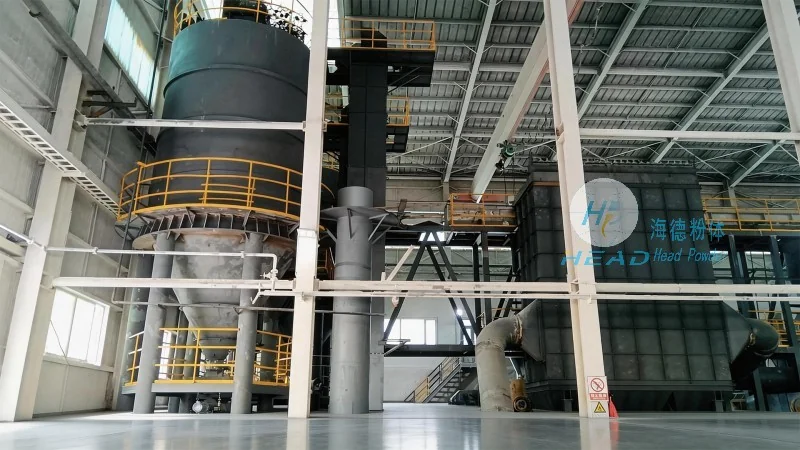
3. Weighing Phase: The weighing scale system begins to measure the weight of the powder in the hopper. The control unit monitors the weight in real-time and stops the powder flow once the target weight is reached. This step is critical for achieving the desired dosage accuracy.
4. Discharge and Transfer: Once the target weight is achieved, the control unit activates the discharge system. The powder is transferred from the hopper to the conveyor or pneumatic system, and then to the next processing unit. The discharge process is designed to be quick and efficient, minimizing downtime between cycles.
5. Bag Removal and Preparation: After the powder has been discharged, the control unit signals the bag opening mechanism to prepare for the next bag. The empty bag is then removed from the machine, and a new bag is placed in position to repeat the cycle.
Working Principle of the Small Bag Quantitative Weighing Powder Conveying Machine
The working principle of the small bag quantitative weighing powder conveying machine is based on the integration of mechanical, pneumatic, and electronic systems to achieve precise material measurement and transfer. The core principle is to use a weighing scale to determine the exact amount of powder in the hopper and then transfer that amount to the next stage of the production process. The following explains the underlying mechanisms:
1. Mechanical Transfer: The bag opening mechanism uses mechanical force to cut or tear the bag. This is often achieved through a blade or a tearing edge that moves at a controlled speed. The speed and force are calibrated to ensure that the bag is opened without damaging the powder or causing excessive material loss.
2. Pneumatic Assistance: In some designs, pneumatic actuators are used to assist with the bag opening and to control the flow of powder from the hopper to the weighing scale. Pneumatic systems provide precise control over the movement of components, ensuring that the powder flow is consistent and predictable.
3. Electronic Weighing and Control: The weighing scale system uses load cells to convert the weight of the powder into an electrical signal. This signal is processed by the control unit, which compares it to the target weight and adjusts the powder flow accordingly. The control unit may use feedback loops to maintain the accuracy of the weighing process, even in the presence of variations in powder density or flow rate.
4. Conveyor and Discharge Control: The discharge system is controlled by the same electronic system that manages the weighing process. The control unit activates the conveyor or pneumatic transport system once the target weight is reached, ensuring that the powder is transferred at the correct time and in the correct amount. The system may also include sensors to detect the end of the discharge process and to signal the next step in the cycle.
Advantages and Applications
Small bag quantitative weighing powder conveying machines offer several advantages over traditional manual or batch weighing methods. These include high accuracy, consistent dosing, and reduced labor costs. The machines are particularly suitable for applications where precise powder measurement is critical, such as in the pharmaceutical industry for drug formulation, in food processing for ingredient mixing, and in chemical manufacturing for batch production.
The machines are also designed to handle a wide range of powder types, including fine powders, granules, and powders with different flow characteristics. This versatility makes them suitable for various industries and production environments. Additionally, the automated operation reduces the risk of human error and improves overall production efficiency.
Conclusion
In conclusion, the small bag quantitative weighing powder conveying machine is a sophisticated piece of equipment that combines mechanical, pneumatic, and electronic technologies to achieve precise and reliable powder handling. Its operation process involves a systematic sequence of steps, from bag opening to weighing and discharge, all controlled by an advanced electronic system. The working principle is based on accurate weighing and controlled material transfer, ensuring that the correct amount of powder is delivered to the next stage of production. For industries requiring high precision in powder dosing, this machine is an essential tool for maintaining product quality and consistency.