

Operating Process and Working Principle of Tungsten Carbide Powder Conveyors
Shandong HeadPowder Engineering Co., Ltd. specializes in the design and manufacturing of advanced material handling equipment, including high-performance tungsten carbide powder conveyors. These systems are engineered to efficiently transport fine tungsten carbide powders, a critical component in the production of cutting tools, wear-resistant parts, and other industrial applications. The company's commitment to precision engineering ensures that each conveyor system meets the stringent requirements of modern manufacturing processes, providing reliability and durability in demanding environments.
Key Components and Design Features
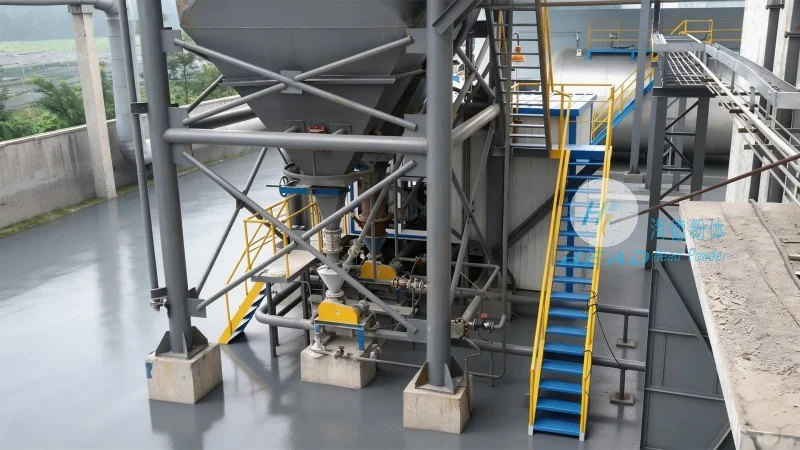
The tungsten carbide powder conveyor systems from HeadPowder incorporate several key components that contribute to their superior performance. These include robust hopper designs to contain and feed the powder, high-quality conveyor belts or screw mechanisms to transport the material, and precise control systems to regulate flow rates. The materials used in the construction, such as corrosion-resistant alloys and wear-resistant coatings, are selected to withstand the abrasive nature of tungsten carbide powders, minimizing wear and extending the service life of the equipment. Additionally, the conveyors are equipped with safety features like overload protection and emergency stop mechanisms, ensuring safe operation in industrial settings.

Operating Process of Tungsten Carbide Powder Conveyors
The operation of a tungsten carbide powder conveyor begins with the loading of the powder into the hopper. The hopper is typically designed with a sloped bottom to facilitate smooth material flow, often equipped with a vibratory feeder to prevent clogging and ensure consistent feeding. As the powder is fed into the conveyor mechanism—whether a belt, screw, or pneumatic system—it is transported to the discharge point. The speed of the conveyor is controlled by the feeder and control system, allowing for precise regulation of the powder flow rate. This control is crucial for maintaining uniform material distribution and preventing overloading of downstream processing equipment. The entire process is monitored by sensors and indicators that provide real-time feedback on the system's performance, enabling operators to adjust settings as needed to optimize efficiency.
Working Principle of Tungsten Carbide Powder Conveyors
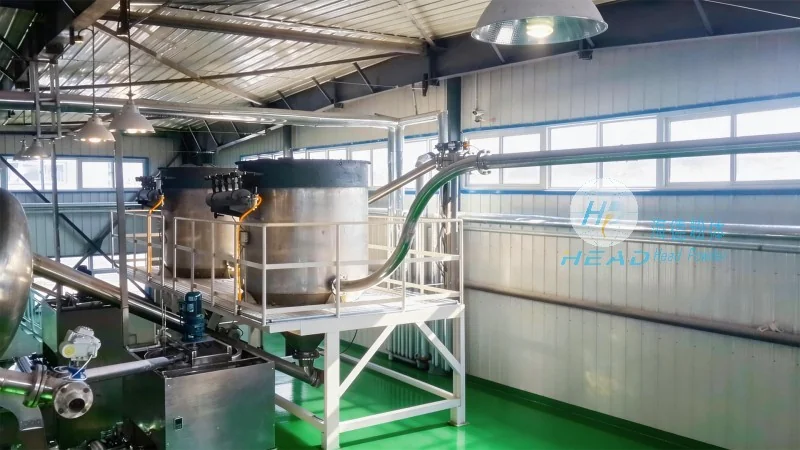
The working principle of tungsten carbide powder conveyors is based on mechanical or pneumatic forces to move the material from the inlet to the outlet. For mechanical conveyors, such as screw or belt conveyors, the primary force is the rotation of the conveyor components. In a screw conveyor, the rotating screw blade pushes the powder forward, while in a belt conveyor, the moving belt carries the powder along its path. The design of the conveyor components, including the pitch of the screw or the width and speed of the belt, is optimized to handle the specific characteristics of tungsten carbide powders, such as their high density and abrasive properties. Pneumatic conveyors, on the other hand, use compressed air to create a pressure differential that propels the powder through a pipeline. This method is particularly effective for transporting fine powders over longer distances, as it minimizes material degradation and contamination. The working principle also involves the use of airlocks and filters to prevent dust emissions and maintain a clean working environment, which is essential for both safety and product quality.
Advantages of Tungsten Carbide Powder Conveyors
Implementing tungsten carbide powder conveyors offers several advantages for industrial applications. Firstly, these systems provide high efficiency in material handling, reducing the time and labor required for manual transport. The automated control systems ensure consistent and reliable operation, minimizing downtime and improving overall productivity. Secondly, the robust construction of the conveyors ensures durability and long service life, even in harsh operating conditions. The use of wear-resistant materials and maintenance-friendly designs reduces maintenance costs and extends the equipment's lifespan. Thirdly, the precise control of powder flow rates allows for better process control in downstream operations, such as mixing, sintering, or machining. This leads to improved product quality and reduced waste. Finally, the safety features integrated into the design, such as overload protection and emergency stops, enhance workplace safety and compliance with industrial regulations.
Applications in Industrial Manufacturing
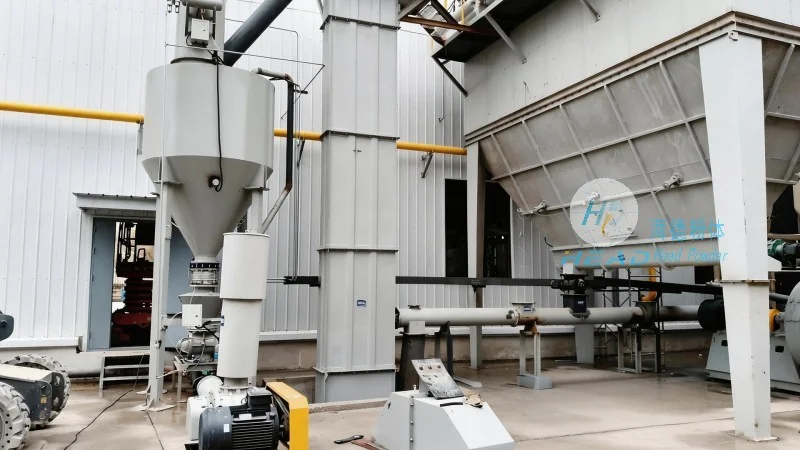
Tungsten carbide powder conveyors are widely used in various industrial sectors, particularly in the manufacturing of cutting tools, wear-resistant components, and aerospace parts. In the tool and die industry, these conveyors efficiently transport tungsten carbide powders to sintering furnaces, ensuring uniform material distribution and consistent product quality. In the automotive and aerospace industries, they are used to handle powders for the production of hard-facing coatings and wear-resistant parts, where precision and reliability are critical. Additionally, in the electronics and semiconductor industries, tungsten carbide powder conveyors are employed in the production of high-performance components, where the purity and consistency of the powder are paramount. The versatility of these systems makes them suitable for a wide range of applications, from small-scale laboratory operations to large-scale industrial production lines.