

Operation Process and Working Principle of Coffee Bean Material Conveying
Coffee bean processing is a complex industry that relies on efficient material handling to ensure quality and productivity. The conveyance of coffee beans from raw to processed stages is critical, as it directly impacts the final product's consistency and the overall operational efficiency of the facility. In this context, understanding the operation process and working principle of coffee bean material conveying systems becomes essential for both manufacturers and industry professionals. This article provides a detailed overview of how such systems function, emphasizing the technical aspects and practical applications in coffee bean processing.
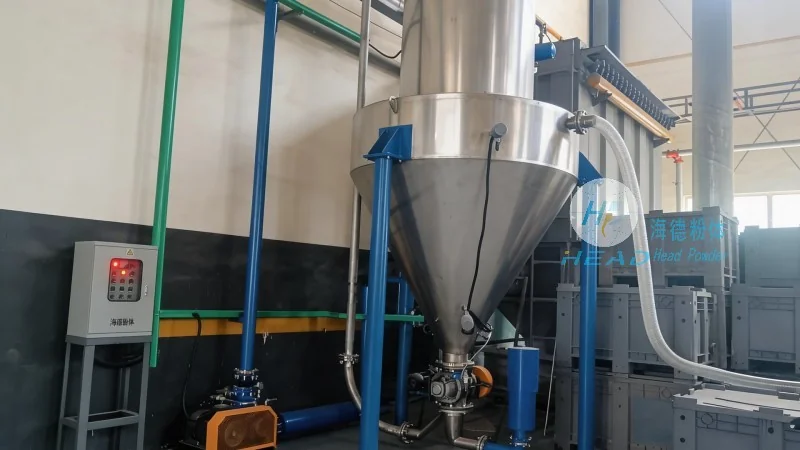
About Shandong HeadPowder Engineering Co., Ltd.
HeadPowder, a leading manufacturer in the field of engineering solutions for material handling, specializes in designing and supplying advanced conveying systems tailored to the coffee industry. With a strong commitment to innovation and quality, HeadPowder has established itself as a trusted partner for coffee processing plants worldwide. The company's headquarters is located in Shandong, China, where it leverages local expertise and resources to develop cutting-edge technologies that meet the evolving needs of the coffee sector. By focusing on precision, reliability, and sustainability, HeadPowder ensures that its products contribute to the efficiency and sustainability of coffee bean processing operations.
The Operation Process of Coffee Bean Material Conveying
The operation process of coffee bean material conveying involves several key stages, each designed to handle the unique characteristics of coffee beans. The process typically begins with the reception of raw coffee beans, which are then transferred from storage silos or containers to the initial processing units. This initial transfer is often facilitated by bulk material handling equipment such as bucket elevators, screw conveyors, or pneumatic systems, depending on the plant's layout and processing requirements. The first stage focuses on the safe and efficient movement of large quantities of coffee beans, ensuring minimal loss and contamination. Following the initial transfer, the beans proceed to the next processing steps, such as cleaning, sorting, or roasting, where the conveying system continues to play a vital role in maintaining a smooth workflow.
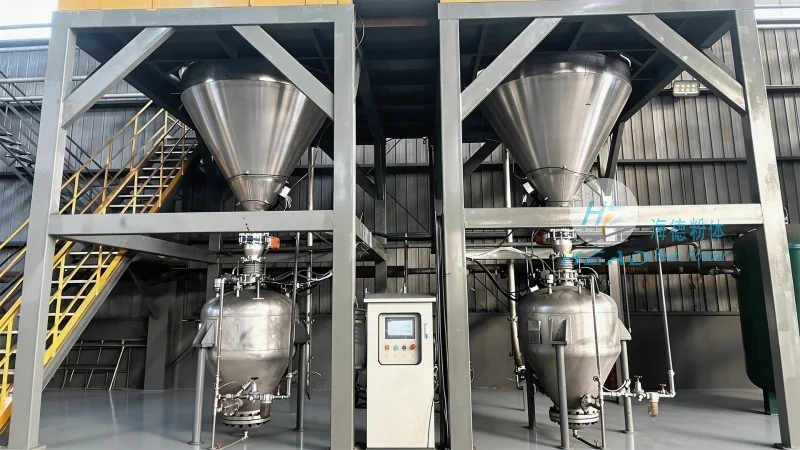
During the conveying process, various parameters are carefully monitored to optimize performance. These include the speed of the conveyor, the angle of inclination, and the capacity of the system. For coffee beans, which are often irregularly shaped and vary in size, the design of the conveying equipment must accommodate these characteristics to prevent damage or blockages. For instance, belt conveyors with adjustable tension and smooth surfaces are commonly used to handle coffee beans without causing scratches or breaks. Additionally, the system may incorporate features like vibration or air-assisted mechanisms to enhance the flow of beans, especially in areas where the material might tend to stick or accumulate. The operation process is further enhanced by the integration of sensors and control systems that allow for real-time monitoring and adjustment, ensuring that the conveying operation remains efficient and reliable throughout the entire processing cycle.
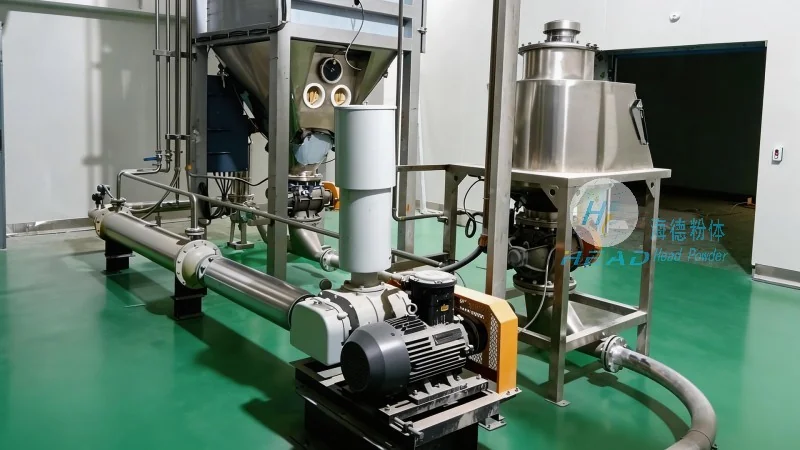
The Working Principle of Coffee Bean Material Conveying Systems
The working principle of coffee bean material conveying systems is based on the application of mechanical force to move the coffee beans from one location to another. The most common types of conveying systems used in coffee processing include belt conveyors, screw conveyors, and pneumatic conveyors, each operating on different principles but all serving the same purpose of material transport. Belt conveyors, for example, utilize a continuous loop of belt that moves over rollers or pulleys, carrying the coffee beans along the path of the conveyor. The belt's speed and tension are controlled to maintain a consistent flow rate, while the incline of the conveyor can be adjusted to handle different elevations or to assist in the movement of beans against gravity. Screw conveyors, on the other hand, employ a rotating screw or auger that pushes the coffee beans forward through a closed tube. This type of conveyor is particularly effective for handling granular materials like coffee beans, as it provides a positive displacement method that prevents backflow and ensures a steady flow. The working principle of screw conveyors relies on the friction between the screw and the material, as well as the rotation speed, to determine the conveying capacity and efficiency.
Pneumatic conveying systems operate on the principle of using air pressure to transport coffee beans through a network of pipes. These systems are often used for longer distances or when the coffee beans need to be transported in a closed environment, such as from a storage silo to a roasting machine. The working principle involves creating a pressure differential by either blowing air (positive pressure) or creating a vacuum (negative pressure) to move the beans. The air velocity and pressure are carefully controlled to ensure that the coffee beans are conveyed without damage and that the system operates efficiently. Pneumatic conveyors are particularly useful for handling fine or delicate materials, as they minimize the risk of breakage and contamination compared to mechanical systems. However, they require more energy and may have limitations in terms of conveying distance and capacity.