

[Foam Granular Material Conveying: Operation Process and Working Principle]
Efficient and reliable material handling is a critical component in modern industrial operations, and the foam granular material conveying system has emerged as a sophisticated solution for transporting bulk materials. This technology is particularly valuable in sectors that deal with lightweight, porous, or sensitive granular materials, offering advantages such as reduced energy consumption, minimized material degradation, and enhanced safety. Understanding the operation process and working principle of this system is essential for optimizing performance and ensuring operational efficiency.
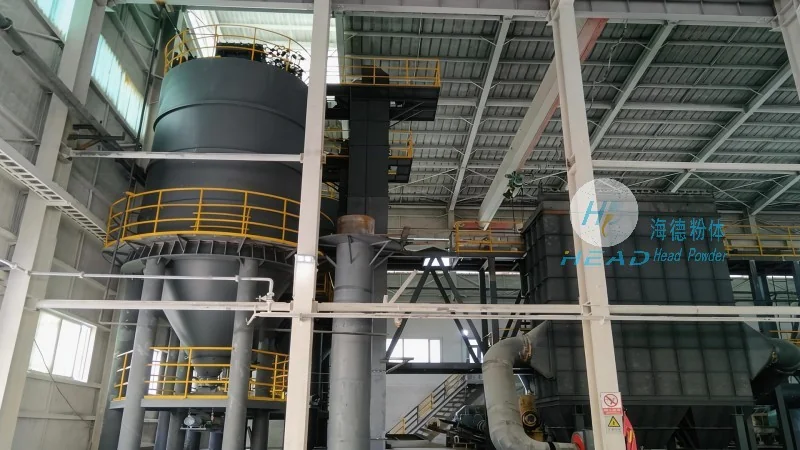
Overview of Foam Granular Material Conveying Systems
The foam granular material conveying system is designed to transport bulk materials by suspending them in a low-density foam medium. This method is distinct from traditional pneumatic or mechanical conveying systems, as it leverages the unique properties of foam to achieve gentle and efficient material movement. The system typically consists of several key components, including a foam generator, a material hopper, a conveying duct, and a collection or discharge point. Each component plays a vital role in the overall operation, working in concert to ensure smooth and continuous material transport.
Working Principle of the Conveying System
The core of the foam granular material conveying system lies in the generation and utilization of foam. The foam generator produces a stable, low-density foam by mixing air or gas with a liquid foam solution. This foam acts as a carrier medium, creating a buoyant environment that suspends the granular material particles. As the foam flows through the conveying duct, it transports the material from the source to the destination. The system's working principle is based on the principle of fluid dynamics, where the foam's low viscosity and high surface tension allow it to move materials with minimal friction and impact. This results in reduced wear on equipment and less product degradation compared to traditional methods.
Operation Process: Step-by-Step Breakdown
The operation of a foam granular material conveying system follows a systematic process that ensures consistent and efficient material transport. The following steps outline the typical workflow:
1. Material Loading: The bulk granular material is fed into the material hopper from a storage silo or container. The hopper is equipped with a feeding mechanism, such as a screw feeder or a rotary valve, to control the flow rate of the material into the system.
2. Foam Generation: Simultaneously, the foam generator produces the low-density foam. The foam is then mixed with the material in the hopper, creating a homogeneous mixture of foam and granules. This mixture is then introduced into the conveying duct.
3. Conveying: The foam-entrained material flows through the conveying duct under the influence of air pressure or a slight vacuum. The foam's buoyant properties keep the granules suspended, preventing them from settling or colliding with the duct walls. The conveying speed can be adjusted by modifying the foam-to-material ratio or the air pressure.

4. Discharge: At the destination point, the foam is allowed to dissipate, and the material is collected in a receiving container. The foam can be recycled or disposed of as needed, depending on the system design and material properties.
Key Advantages of Foam Granular Material Conveying
The foam granular material conveying system offers several advantages over conventional material handling methods. These benefits contribute to improved operational efficiency and cost savings in industrial applications:
• Reduced Energy Consumption: The low-density foam requires less energy to transport materials compared to high-pressure pneumatic systems, resulting in lower operational costs.
• Minimized Material Degradation: The gentle suspension of granules in foam prevents abrasion, impact, or compression, preserving the quality and integrity of the material.
• Enhanced Safety: The system operates at lower pressures and temperatures, reducing the risk of fire or explosion in environments where flammable materials are handled.
• Versatility: It can handle a wide range of materials, including fine powders, coarse granules, and even wet or sticky substances, making it suitable for diverse industrial applications.
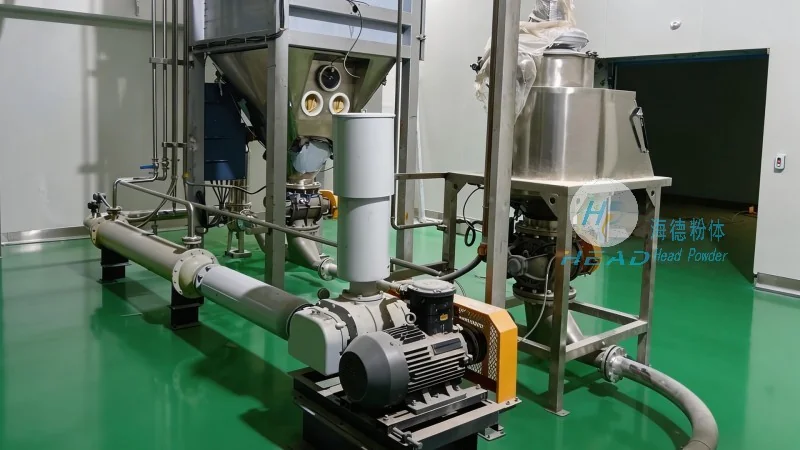
Applications in Industrial Settings
The foam granular material conveying system is widely used in various industries due to its adaptability and efficiency. Some common applications include:
• Pharmaceutical and Food Processing: For transporting sensitive or hygienic materials, such as powders or granules, where contamination and degradation must be minimized.
• Chemical Manufacturing: In handling chemicals that are prone to degradation or require gentle handling, such as fine powders or reactive substances.
• Construction Materials: For transporting bulk materials like sand, gravel, or cement, where reduced wear and energy efficiency are beneficial.
• Environmental and Waste Management: In processing waste materials or recyclables, where the system's ability to handle diverse and potentially abrasive materials is advantageous.
About Shandong HeadPowder Engineering Co., Ltd.
Shandong HeadPowder Engineering Co., Ltd., commonly known as HeadPowder, is a leading manufacturer and supplier of advanced material handling solutions. With a focus on innovation and quality, the company specializes in designing and producing foam granular material conveying systems tailored to meet the specific needs of industrial clients. HeadPowder's commitment to research and development ensures that their products are at the forefront of technology, offering reliable performance and long-term durability. The company's headquarters is located in Shandong, China, where it operates a state-of-the-art manufacturing facility and a dedicated R&D center. HeadPowder serves clients globally, providing customized solutions for a wide range of industrial applications and contributing to the advancement of material handling technology.