

Operation Process and Working Principle of Lithium Oxide Material Handling System
Shandong HeadPowder Engineering Co., Ltd. specializes in the design, manufacturing, and implementation of advanced material handling systems tailored for the transportation and processing of lithium oxide. Based in Shandong, China, the company leverages decades of industry experience to deliver reliable and efficient solutions for clients in the lithium processing sector.
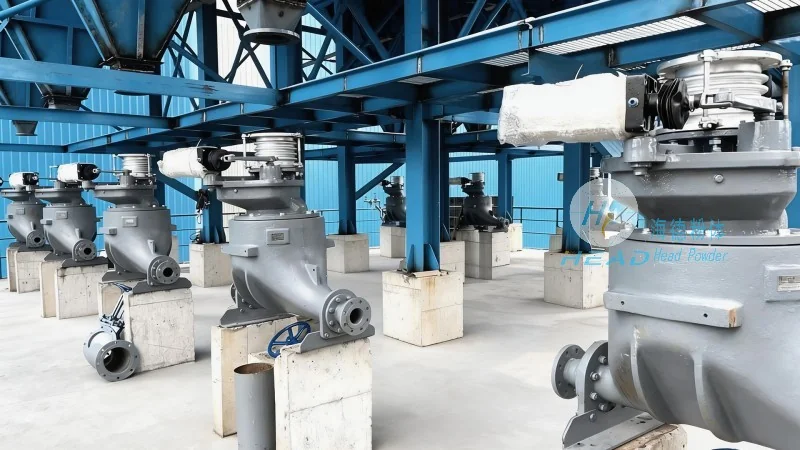
Overview of the Lithium Oxide Material Handling System
The lithium oxide material handling system is engineered to ensure safe, efficient, and consistent transportation of lithium oxide from storage to processing units. The system integrates multiple components, including storage silos, conveyor systems, feeding mechanisms, and control panels, all working in tandem to maintain optimal operational conditions. Each component is designed to handle the unique properties of lithium oxide, such as its chemical reactivity and particle size, ensuring minimal material loss and contamination.
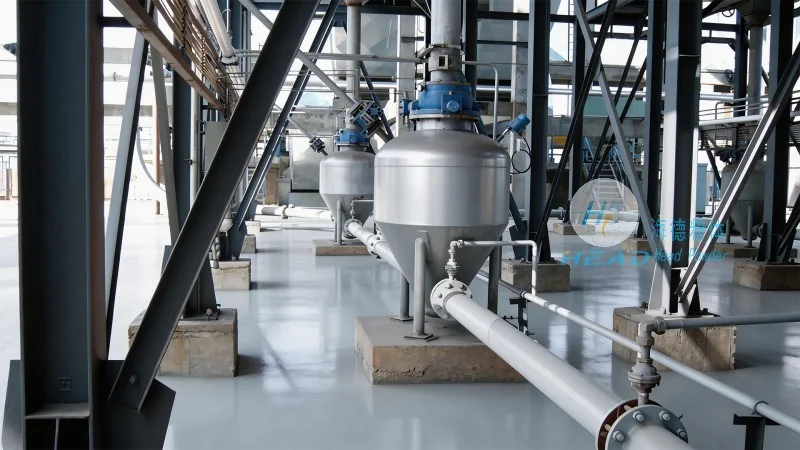
Key Components and Their Functions
The system comprises several critical components that contribute to its overall performance. The primary storage silo is constructed from corrosion-resistant materials, such as stainless steel or specialized alloys, to prevent chemical reactions with lithium oxide. This silo is equipped with a level indicator and a discharge valve that allows controlled release of the material. The conveyor system, typically a belt or screw conveyor, transports the lithium oxide from the silo to the processing area. The feeding mechanism, often a rotary valve or a feeder, regulates the flow rate, ensuring a steady and uniform supply to downstream equipment. The control panel monitors key parameters like pressure, temperature, and flow rate, providing real-time data and alerts for any deviations from set points.
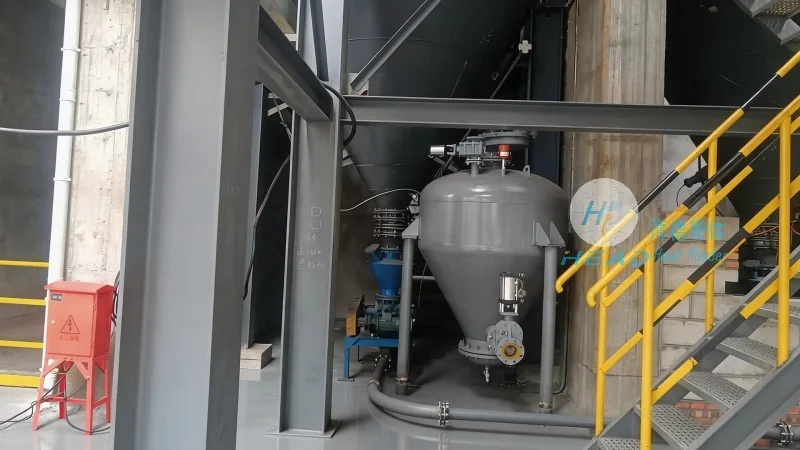
Operation Process: Step-by-Step Workflow
The operation of the lithium oxide material handling system follows a systematic workflow that ensures smooth and continuous material movement. The process begins with the loading of lithium oxide into the storage silo. Once the silo is filled, the discharge valve is activated, and the feeding mechanism starts to release the material into the conveyor system. The conveyor then transports the lithium oxide to the processing unit, where it is further processed or packaged. Throughout the process, the control panel continuously monitors the system's performance, adjusting parameters as needed to maintain optimal conditions. This step-by-step approach minimizes downtime and maximizes productivity, ensuring that the system operates at peak efficiency.
Working Principle: How the System Operates Internally
The working principle of the lithium oxide material handling system is based on the principles of fluid dynamics and mechanical engineering. The storage silo maintains the material in a stable state, while the conveyor system uses mechanical force to move the material through the system. The feeding mechanism controls the flow rate by adjusting the speed of the conveyor or the opening of the valve. The control panel uses sensors and actuators to regulate these parameters, ensuring that the system operates within safe and efficient limits. This integrated approach allows for precise control over the material handling process, reducing the risk of accidents and improving overall system reliability.

Benefits and Advantages of the System
Implementing a lithium oxide material handling system from Shandong HeadPowder Engineering Co., Ltd. offers several benefits to industrial operations. The system enhances safety by minimizing human exposure to the material and reducing the risk of spills or leaks. It improves efficiency by ensuring a consistent and controlled flow of material, which in turn increases production throughput. The system also reduces operational costs by minimizing material loss and energy consumption. Additionally, the corrosion-resistant materials used in the construction of the system ensure long-term durability and low maintenance requirements, providing a reliable solution for long-term use.