

Operation Process and Working Principle of Ammonium Bicarbonate Material Handling System
Ammonium bicarbonate, a widely used chemical in various industrial applications, requires efficient and reliable material handling systems to ensure smooth production processes. This article provides an in-depth overview of the operation process and working principle of a specialized material handling system designed for handling ammonium bicarbonate, highlighting key components, operational procedures, and the importance of maintaining system efficiency.
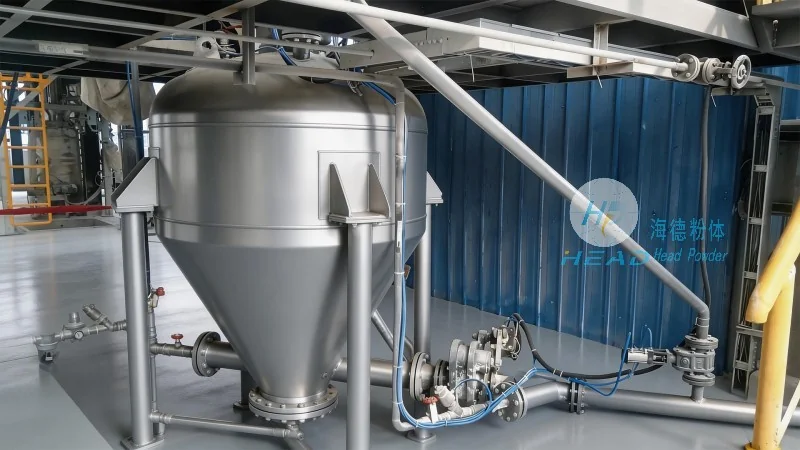
Company Profile: Shandong HeadPowder Engineering Co., Ltd.
HeadPowder, a leading engineering firm based in Shandong, China, specializes in the design, manufacturing, and installation of advanced material handling solutions. With a strong commitment to quality and innovation, HeadPowder has established itself as a trusted partner in the chemical processing industry. The company’s headquarters is located in Shandong, China, where it leverages local expertise and resources to deliver tailored solutions that meet the unique needs of its clients.
System Overview and Key Components
The ammonium bicarbonate material handling system typically consists of several critical components that work in tandem to ensure safe and efficient material transport. These components include hoppers for material storage, conveyor systems for horizontal and vertical transport, feeding mechanisms to control material flow, and control panels for system operation and monitoring. Each component is carefully designed to handle the specific characteristics of ammonium bicarbonate, such as its granular or powder form, and to minimize the risk of material degradation or spillage.
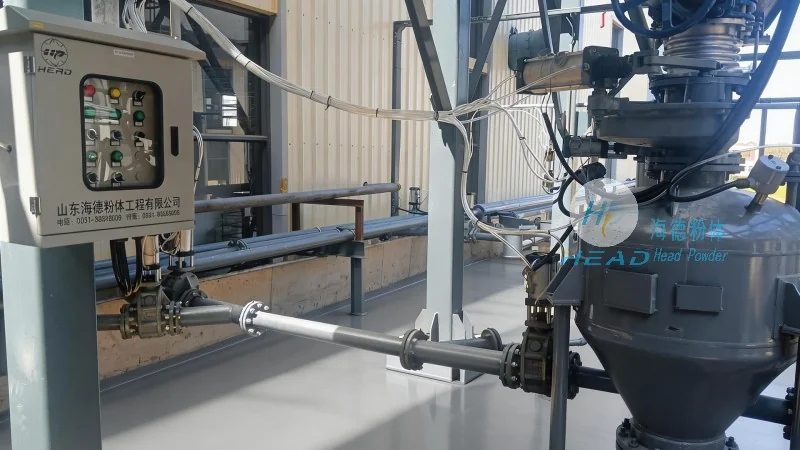
Working Principle of the Material Handling System
The system operates on a continuous flow principle, where ammonium bicarbonate is first loaded into the hopper. From there, it is fed into the conveyor system through a feeding mechanism, which may include vibrators or rotary valves to regulate the flow rate. The conveyor then transports the material to the desired destination, such as a storage silo, processing unit, or packaging line. The control panel allows operators to monitor system performance, adjust flow rates, and detect any abnormalities, ensuring optimal operation and preventing downtime.
Operation Process: Step-by-Step Guide
The operation process of the ammonium bicarbonate material handling system involves several key steps that ensure smooth and efficient material handling. First, the hopper is filled with ammonium bicarbonate, typically using a bulk loading system or manual loading. Next, the feeding mechanism is activated to start material flow into the conveyor. The conveyor then transports the material to the next stage of the process. During operation, the control panel is used to monitor flow rates, check for blockages, and adjust system parameters as needed. Finally, the material is delivered to the final destination, where it is either stored or processed further. Regular maintenance and inspections are also part of the operation process to ensure the system remains in optimal condition.
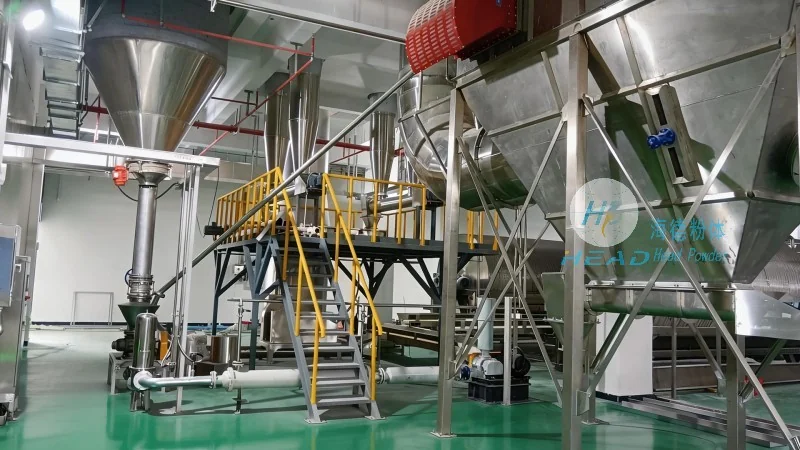
Benefits and Advantages of the System
The ammonium bicarbonate material handling system offers several benefits that enhance operational efficiency and safety. These include improved material flow control, reduced risk of material loss or contamination, enhanced system reliability, and lower maintenance costs. The system’s design also minimizes the risk of dust generation and ensures compliance with safety regulations, making it suitable for various industrial applications. Additionally, the system’s modular design allows for easy integration with existing production lines and future expansion as needed.
Conclusion
In conclusion, the ammonium bicarbonate material handling system is a critical component in the production process of ammonium bicarbonate, ensuring efficient and safe material transport. With its advanced design and reliable operation, the system helps companies like Shandong HeadPowder Engineering Co., Ltd. maintain high production standards and meet the demands of the chemical industry. By understanding the operation process and working principle of this system, users can optimize their material handling operations and improve overall productivity.