

Operation Process and Working Principle of Calcium Phosphate Material Handling Equipment
Calcium phosphate material handling equipment plays a vital role in the industrial processing of calcium phosphate materials, which are widely used in various sectors such as agriculture, food, and pharmaceuticals. The efficient operation of this equipment ensures smooth material flow, enhances production efficiency, and maintains product quality. This article provides an in-depth look at the operation process and working principle of such equipment, highlighting its importance and the technical aspects that contribute to its effectiveness.
Introduction to Calcium Phosphate Material Handling Equipment
This section introduces the significance of efficient material handling equipment in the production and processing of calcium phosphate materials. As a critical component in industrial operations, such equipment ensures smooth material flow, enhances production efficiency, and maintains product quality. The equipment is designed to handle various forms of calcium phosphate, including powders, granules, and bulk materials, making it versatile for different industrial applications. The proper functioning of this equipment is essential for manufacturers to meet high production demands and comply with industry standards, as it directly impacts the overall productivity and profitability of the operation.
Company Overview: Shandong HeadPowder Engineering Co., Ltd.
Shandong HeadPowder Engineering Co., Ltd., commonly known as HeadPowder, is a leading manufacturer specializing in engineering solutions for material handling and processing equipment. With a strong presence in China, particularly in Shandong province, the company has established itself as a trusted provider of high-quality equipment tailored to the needs of the chemical, food, and pharmaceutical industries. HeadPowder's commitment to innovation, quality, and customer satisfaction has enabled it to serve a wide range of clients, from small-scale manufacturers to large industrial enterprises. The company's research and development team continuously works on improving existing technologies and developing new solutions to meet evolving industry requirements. HeadPowder's facilities in Shandong are equipped with advanced manufacturing capabilities, ensuring precision and reliability in the production of its equipment.
The Operational Process of the Equipment
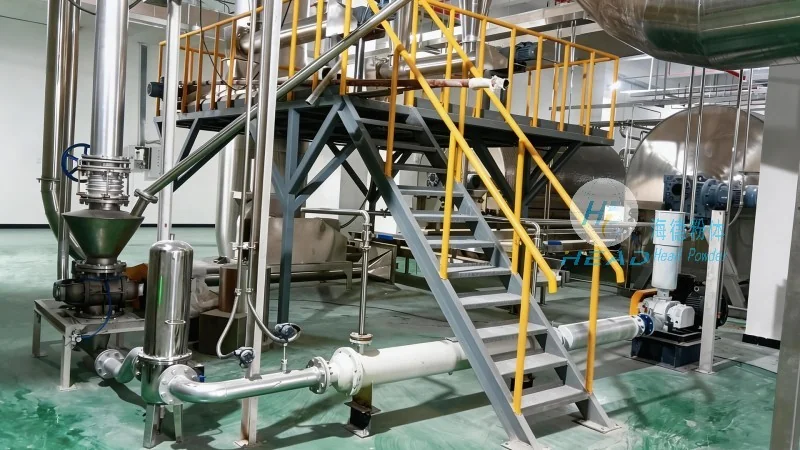
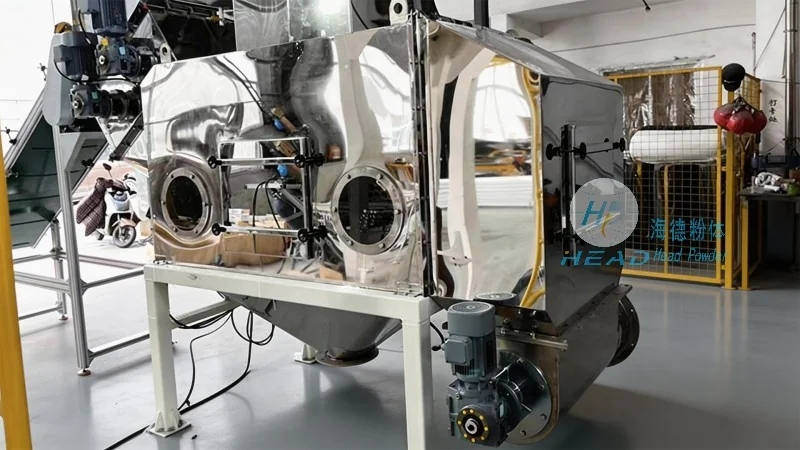
The operation of calcium phosphate material handling equipment typically involves several key steps. Initially, raw calcium phosphate materials are fed into the system, often through a hopper or feeder. The equipment then processes the material, which may include conveying, screening, or blending, depending on the specific design. Conveying systems, such as belt conveyors or screw conveyors, transport the material from one stage to another. Screening mechanisms separate different particle sizes, ensuring uniformity in the final product. Blending processes, if applicable, mix various components to achieve the desired composition. The entire process is controlled by a sophisticated control system that monitors parameters like speed, pressure, and temperature, ensuring optimal performance and safety. For example, in a fertilizer production line, the equipment may first convey raw phosphate rock into a grinding unit, then screen the ground material to remove impurities before blending it with other nutrients. This systematic approach ensures that each stage of the process is optimized for efficiency and product quality.
Working Principle of the Equipment
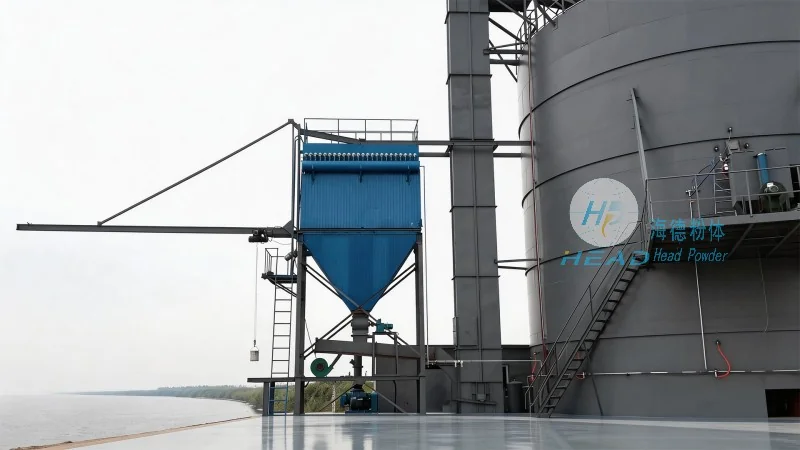
The working principle of calcium phosphate material handling equipment is based on mechanical and pneumatic systems that work in tandem to move and process materials. Mechanical components, including motors, gears, and belts, provide the necessary power to drive the conveying and processing mechanisms. Pneumatic systems, such as airlocks and dust collectors, manage the flow of material and control dust emissions, ensuring a clean and safe working environment. The equipment's design incorporates advanced sensors and control algorithms that adjust operations in real-time, responding to changes in material characteristics or system conditions. This dynamic control enhances efficiency and reduces downtime, making the equipment reliable for continuous production. For instance, a sensor may detect an increase in material viscosity and automatically adjust the conveyor speed to maintain consistent flow, preventing blockages and ensuring smooth operation. The integration of mechanical and pneumatic systems allows for precise control over the entire process, from material intake to final discharge.
Key Features and Technical Specifications
The equipment from Shandong HeadPowder Engineering Co., Ltd. features several key attributes that set it apart in the market. High durability and corrosion resistance are achieved through the use of high-quality materials, such as stainless steel and special alloys, which withstand the chemical properties of calcium phosphate. The equipment is also equipped with energy-efficient motors and optimized designs that reduce power consumption while maintaining high performance. Safety features, including emergency stop buttons, overload protection, and dust containment systems, ensure operator safety and compliance with industrial standards. Technical specifications vary based on the specific model, but common features include adjustable speed control, variable capacity settings, and modular designs for easy maintenance and upgrades. For example, a standard model may have a capacity of 10-50 tons per hour, adjustable conveyor speed from 0.5 to 5 meters per second, and a power consumption of 5-15 kW. These specifications are tailored to meet the specific needs of different applications, ensuring that the equipment can be customized to fit the requirements of each client.
Application Scenarios and Benefits
Calcium phosphate material handling equipment is widely used in various industries due to its adaptability and efficiency. In the chemical industry, it is used for the production of fertilizers, food additives, and pharmaceutical ingredients. The equipment's ability to handle bulk materials and maintain product purity is crucial for these applications. In the food industry, it ensures the safe and hygienic processing of calcium phosphate-based products, such as nutritional supplements and food additives. The benefits of using this equipment include increased production throughput, reduced labor costs, improved product quality, and enhanced safety in the workplace. By streamlining material handling processes, the equipment enables manufacturers to meet high production demands while maintaining compliance with industry regulations. For instance, in a pharmaceutical manufacturing plant, the equipment helps in the precise handling of calcium phosphate as an active ingredient, ensuring that the final product meets stringent quality standards. This not only improves the overall efficiency of the production line but also enhances the safety of the workers by minimizing exposure to dust and other hazards.