

Comparison of Common PTFE Conveying Methods
When it comes to handling PTFE (Polytetrafluoroethylene) materials, selecting the right conveying method is crucial for efficiency, material integrity, and operational safety. PTFE is known for its exceptional chemical resistance, non-stick properties, and thermal stability, but these same characteristics can pose challenges during transport. Different conveying systems are designed to address these challenges, each with its own set of advantages and limitations. This article provides a detailed comparison of common PTFE conveying methods, focusing on the key factors that influence the choice of a suitable system for industrial applications.
Introduction to PTFE Conveying Methods
PTFE conveying involves transporting PTFE powders, granules, or other forms from one location to another within a processing facility. The primary goal is to move the material without causing degradation, contamination, or loss. Several methods are widely used in the industry, including mechanical, pneumatic, and pumping systems. Each method operates on different principles and is suited to specific material characteristics and operational requirements.
Mechanical Conveying Systems: The Role of Screw Conveyors
Mechanical conveying systems, particularly screw conveyors, are among the most common for handling PTFE materials. These systems use a rotating screw (or auger) to move material along a trough. The screw's rotation creates a pushing force that propels the material forward. For PTFE, screw conveyors are often preferred for their ability to handle dry powders and granules without the need for additional air or pressure. They are particularly effective for materials that are free-flowing and not overly abrasive. A key advantage of screw conveyors is their simplicity and low maintenance requirements. However, they may not be suitable for very fine powders or materials that are prone to bridging or caking, as these can cause blockages and operational issues.
Pneumatic Conveying Systems: Air-Driven Transport
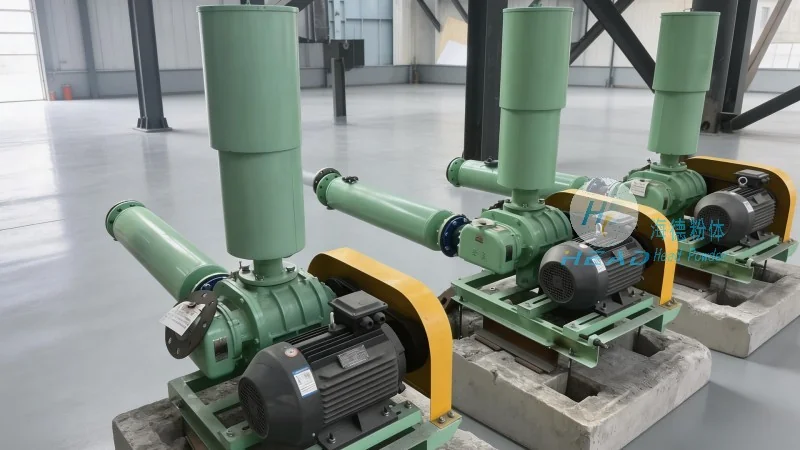
Pneumatic conveying systems use compressed air or vacuum to transport PTFE materials. These systems can be categorized into two main types: positive pressure and negative pressure (or vacuum) systems. Positive pressure systems force air through a pipeline, carrying the PTFE particles along with it. Negative pressure systems create a vacuum that draws the material into the pipeline. Pneumatic systems are advantageous for PTFE because they can handle fine powders and prevent material degradation by avoiding direct contact with mechanical parts. They are also flexible, allowing for changes in the conveying route without major modifications. However, pneumatic systems require careful control of air pressure and flow to prevent material degradation or loss. Additionally, they may have higher energy consumption compared to mechanical systems, especially for long-distance transport.
Pumping Systems: High-Pressure Solutions for PTFE
Pumping systems, such as screw pumps or diaphragm pumps, are used for more viscous or high-density PTFE materials. These pumps are capable of handling materials that are difficult to move with screw conveyors or pneumatic systems. For example, PTFE slurry or paste-like materials may require a pumping system to ensure consistent flow. Screw pumps, in particular, are well-suited for PTFE because they can handle abrasive or high-viscosity materials without causing wear. Diaphragm pumps offer advantages in terms of chemical compatibility and the ability to handle corrosive or contaminated materials. The main benefit of pumping systems is their ability to maintain a continuous flow, even under high pressure. However, they may require more maintenance and are generally more expensive than other conveying methods.
Key Factors in Choosing a PTFE Conveying Method
The choice of PTFE conveying method depends on several critical factors, including the physical properties of the material, the distance to be conveyed, the required flow rate, and the overall cost of operation. Material properties such as particle size, density, and moisture content are significant. For example, fine PTFE powders may be better suited for pneumatic systems, while larger granules may be handled by screw conveyors. The distance of the transport is another key factor. Short distances may allow for mechanical systems, while longer distances may necessitate pneumatic or pumping systems. Flow rate requirements also influence the selection; high-volume applications may require larger-diameter screw conveyors or more powerful pneumatic systems. Finally, cost considerations, including initial investment, energy consumption, and maintenance, play a crucial role in the decision-making process.
Application Examples from Shandong HeadPowder Engineering Co., Ltd.
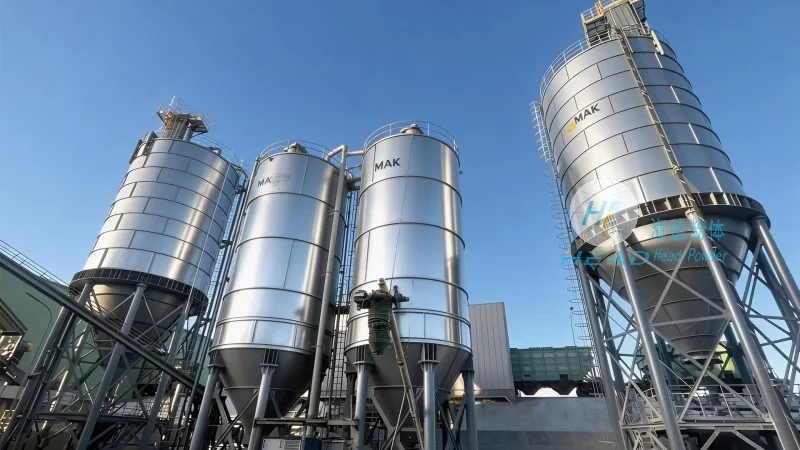
Shandong HeadPowder Engineering Co., Ltd., a leading manufacturer based in China, has extensive experience in designing and implementing PTFE conveying systems. The company specializes in providing customized solutions tailored to the specific needs of its clients. For instance, a client in the chemical industry required a system to transport fine PTFE powders over a distance of 50 meters. HeadPowder recommended a combination of a screw conveyor for the initial transport and a pneumatic system for the final delivery to the processing unit. This setup ensured minimal material degradation and efficient operation. Another application involved the transport of PTFE slurry in a manufacturing plant. HeadPowder installed a screw pump system to handle the high-viscosity slurry, which was critical for maintaining consistent production rates. These case studies highlight the importance of selecting the right conveying method based on material characteristics and operational requirements.
Conclusion: Selecting the Right PTFE Conveying Method
Choosing the appropriate PTFE conveying method is essential for optimizing industrial processes and ensuring material integrity. Mechanical systems like screw conveyors offer simplicity and reliability for dry, free-flowing materials. Pneumatic systems excel in handling fine powders and providing flexibility. Pumping systems are ideal for viscous or high-density materials. By considering factors such as material properties, transport distance, flow rate, and cost, manufacturers can select the most suitable conveying method. Companies like Shandong HeadPowder Engineering Co., Ltd. play a vital role in providing expert guidance and customized solutions to meet these diverse needs, ensuring efficient and safe PTFE handling in various industrial applications.