

Operation Process and Working Principle of Fine Sand and Gravel Material Conveying Lines
HeadPowder, a leading provider of industrial material handling solutions, specializes in the design, manufacturing, and installation of fine sand and gravel material conveying lines. These systems are crucial for efficient transportation of fine aggregates in construction, mining, and other industrial applications. This article delves into the operation process and working principle of such conveying lines, highlighting key components and operational dynamics.
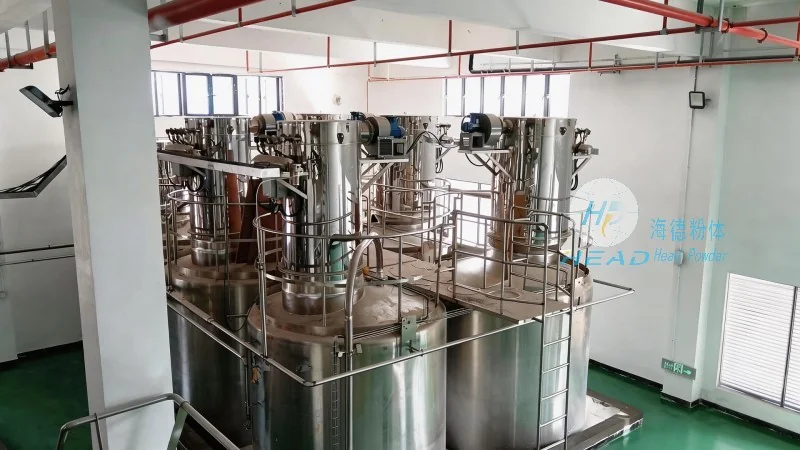
Introduction to Fine Sand and Gravel Material Conveying Lines
Fine sand and gravel material conveying lines are engineered to transport small-sized particulate materials like sand, gravel, and crushed stone from one location to another within industrial facilities. The efficiency of these systems directly impacts production throughput and operational costs. At Shandong HeadPowder Engineering Co., Ltd., we develop customized solutions tailored to the specific needs of our clients, ensuring optimal performance and reliability.
Key Components of the Conveying Line System
The core components of a fine sand and gravel material conveying line include feeders, conveyor belts or pipes, drive systems, and control mechanisms. Each component plays a vital role in the overall operation. Feeders, such as vibrating feeders or screw conveyors, regulate the flow of material into the system, preventing overloading and ensuring consistent feed rates. Conveyor belts or pneumatic pipes transport the material through the system, while drive systems, typically powered by electric motors, provide the necessary force to move the material. Control mechanisms, including sensors and programmable logic controllers (PLCs), monitor and adjust the system's operation in real-time to maintain optimal performance.
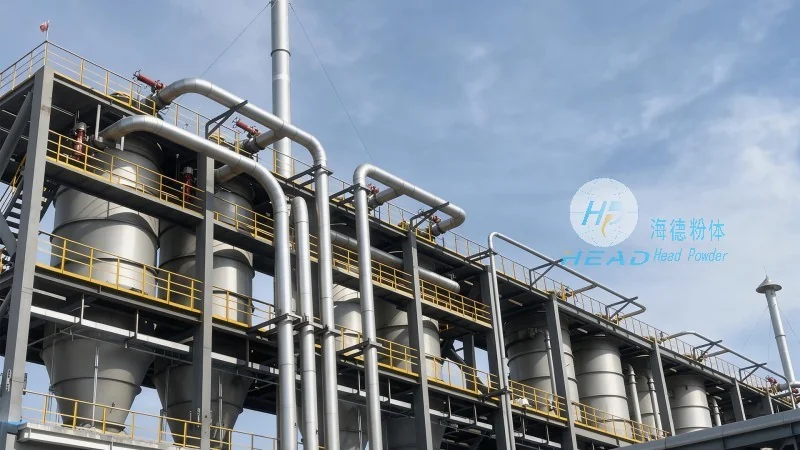
The Working Principle of Material Conveying
The working principle of fine sand and gravel material conveying lines is based on the continuous movement of material through a closed or semi-closed system. The process begins with material being fed into the system by the feeder. The material then travels along the conveyor belt or pipe, propelled by the drive system. As the material moves, it is transported to the desired destination, such as a storage silo or processing unit. The system's design ensures minimal material loss and efficient energy utilization. At HeadPowder, we optimize the system's design to minimize friction and energy consumption, enhancing overall operational efficiency.
Operation Process: From Start to Finish
The operation process of a fine sand and gravel material conveying line involves several sequential steps. First, the system is started by activating the control panel, which powers the drive system and activates the feeder. The feeder then begins to supply material at a predetermined rate. As the material enters the conveyor, it is transported through the system. Sensors monitor the material level and flow rate, providing feedback to the control system. If any issues arise, such as a blockage or low material level, the control system automatically adjusts the feeder speed or alerts the operator. The system continues to operate until the material is fully transported to the destination. At the end of the process, the system is shut down by deactivating the control panel, and the conveyor is stopped to allow for maintenance or cleaning.
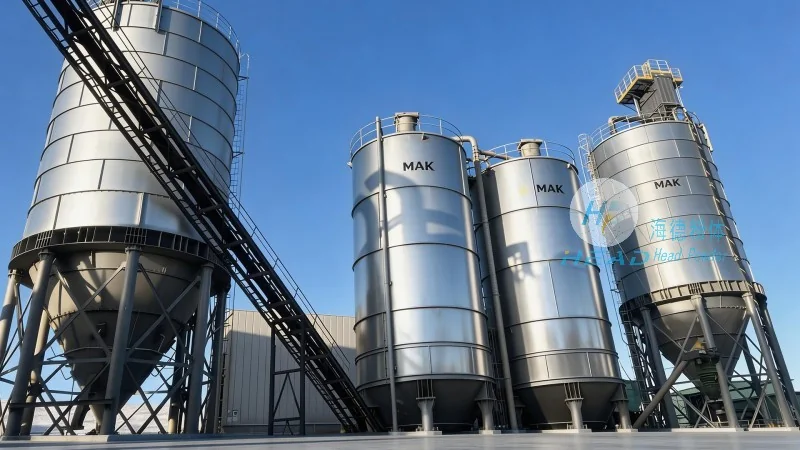
Advantages of Fine Sand and Gravel Material Conveying Lines
Implementing fine sand and gravel material conveying lines offers numerous advantages for industrial operations. These systems provide a continuous and reliable method of material transport, reducing the need for manual handling and associated labor costs. The automated operation minimizes human error and enhances safety in the workplace. Additionally, the systems are designed for high throughput, allowing for increased production efficiency. At Shandong HeadPowder Engineering Co., Ltd., our conveying lines are engineered to meet the specific requirements of each application, ensuring optimal performance and cost-effectiveness.
Customization and Application Scope
HeadPowder offers customized fine sand and gravel material conveying lines to suit a wide range of applications. These systems are used in construction sites for transporting sand and gravel to mixing plants, in mining operations for moving crushed stone from processing units to storage areas, and in other industrial settings where fine particulate materials need to be transported efficiently. Our team of engineers works closely with clients to understand their specific needs and design a system that meets their requirements. We consider factors such as material type, flow rate, distance, and environmental conditions to ensure the optimal solution.
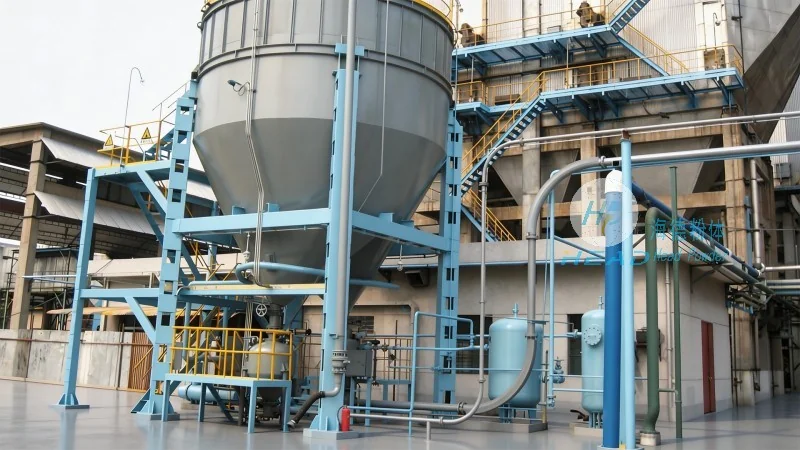
Maintenance and Operational Considerations
Proper maintenance is crucial for the long-term performance and reliability of fine sand and gravel material conveying lines. Regular inspections of key components, such as the conveyor belt, drive system, and feeder, are essential to identify and address potential issues before they become major problems. At HeadPowder, we provide comprehensive maintenance services to ensure our clients' systems operate at peak efficiency. Additionally, operational considerations, such as proper material feeding and system monitoring, play a vital role in maintaining the system's performance. Our team of experts offers guidance on best practices to ensure the system operates smoothly and efficiently.
Conclusion
Fine sand and gravel material conveying lines are essential components of modern industrial operations, providing efficient and reliable transportation of fine particulate materials. At Shandong HeadPowder Engineering Co., Ltd., we specialize in the design, manufacturing, and installation of these systems, ensuring optimal performance and cost-effectiveness for our clients. Our commitment to quality and customer satisfaction has made us a trusted partner in the industry. By understanding the operation process and working principle of these systems, industrial facilities can enhance their productivity and reduce operational costs.