

Comparison of Common Resin Powder Conveying Methods
Resin powder is a critical raw material in various industrial applications, including the manufacturing of composites, plastics, and coatings. Efficient and reliable conveying of resin powders is essential to ensure consistent production quality and minimize downtime. This article provides a detailed comparison of the most common resin powder conveying methods, highlighting their advantages, disadvantages, and suitable applications. The information is presented by Shandong HeadPowder Engineering Co., Ltd., a leading manufacturer of resin powder handling equipment based in China.
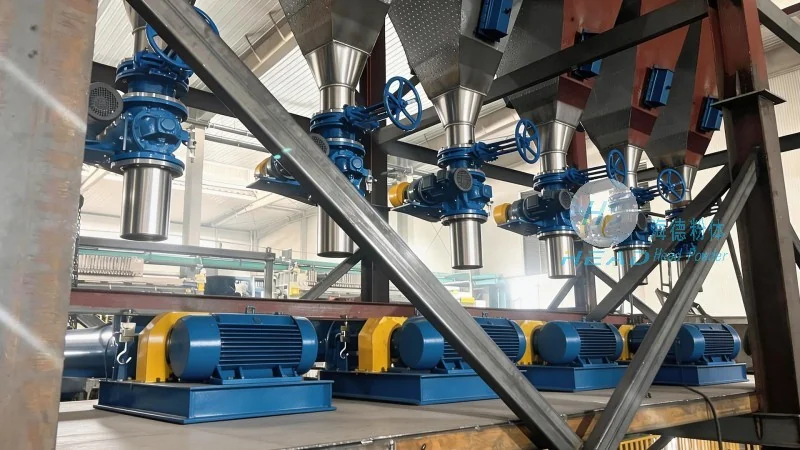
Introduction to Resin Powder Conveying
Resin powders are typically fine, dry particles that require specialized equipment to transport without degradation or loss. Conveying systems must address challenges such as particle segregation, dust generation, and material flow consistency. The choice of conveying method depends on factors like material properties, production scale, and operational environment. Shandong HeadPowder Engineering Co., Ltd. specializes in designing and manufacturing custom conveying solutions tailored to meet these diverse needs.
1. Screw Conveyors (Auger Conveyors)
Screw conveyors are one of the most widely used methods for transporting resin powders. They consist of a rotating helical screw inside a U-shaped or cylindrical tube. As the screw rotates, it pushes the material forward, creating a continuous flow. This method is particularly effective for horizontal or slightly inclined transport of free-flowing powders. The primary advantages of screw conveyors include their simplicity, low maintenance, and ability to handle a wide range of particle sizes. However, they may struggle with sticky or cohesive powders, which can cause blockages and reduced efficiency. Shandong HeadPowder Engineering Co., Ltd. offers robust screw conveyor designs with features like variable speed drives and wear-resistant materials to enhance performance in resin powder applications.

2. Pneumatic Conveying Systems
Pneumatic conveying uses air or other gases to transport resin powders through a pipeline. This method is ideal for long-distance or vertical transport and can handle both dry and slightly wet powders. There are two main types: pressure and vacuum systems. Pressure systems use compressed air to push the material, while vacuum systems use suction to draw it. Pneumatic conveying offers high capacity and minimal material degradation, making it suitable for sensitive resin powders. However, it requires careful air flow management to prevent particle segregation and can be more complex and costly to install compared to other methods. Shandong HeadPowder Engineering Co., Ltd. provides advanced pneumatic conveying solutions with efficient air distribution and particle separation mechanisms.
3. Vibratory Conveyors
Vibratory conveyors utilize vibration to move resin powders along a trough. The system consists of a conveyor bed that vibrates at specific frequencies, causing the material to move forward. This method is effective for handling cohesive or sticky powders that may not flow well in other systems. Vibratory conveyors are low maintenance and can operate in a variety of orientations, including horizontal, inclined, and vertical. They are also suitable for transporting materials with high moisture content. The main drawback is that they may generate more noise and require additional space for the vibration equipment. Shandong HeadPowder Engineering Co., Ltd. designs custom vibratory conveyors with adjustable vibration parameters to optimize resin powder transport efficiency.
4. Bucket Elevators
Bucket elevators are vertical conveying systems that use a chain or belt with attached buckets to lift and transport resin powders. They are commonly used for vertical transport over significant heights, such as in silos or storage towers. Bucket elevators offer high capacity and can handle a wide range of materials, including abrasive or heavy powders. However, they require regular maintenance to prevent bucket wear and chain tension issues. Shandong HeadPowder Engineering Co., Ltd. manufactures durable bucket elevators with replaceable components to ensure long-term reliability in resin powder handling.
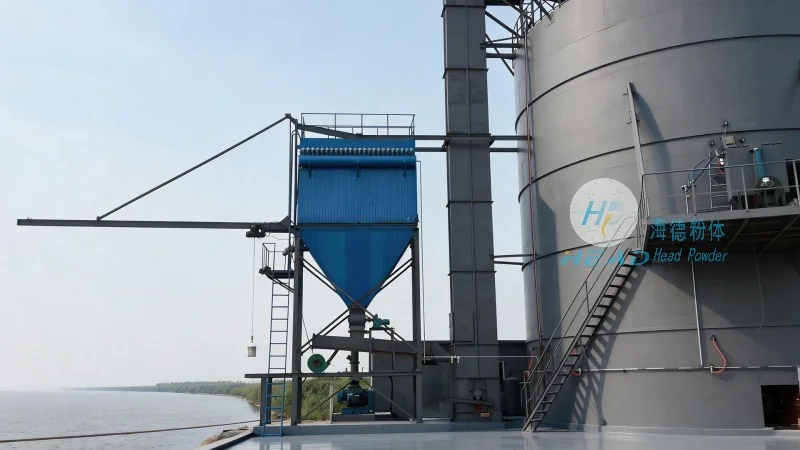
Key Considerations for Choosing a Conveying Method
When selecting a resin powder conveying method, several factors must be considered to ensure optimal performance. First, the physical properties of the resin powder, such as particle size, density, and flowability, play a crucial role. For example, free-flowing powders may be better suited for screw conveyors, while cohesive powders might require vibratory conveyors. Second, the production scale and throughput requirements dictate the capacity of the conveying system. Large-scale operations may benefit from pneumatic or bucket elevator systems, while smaller facilities might use screw or vibratory conveyors. Third, the operational environment, including space constraints and noise regulations, should be evaluated. Finally, cost and maintenance considerations are essential, as different systems have varying upfront and long-term expenses. Shandong HeadPowder Engineering Co., Ltd. provides expert consultation to help clients evaluate these factors and choose the most suitable conveying solution for their resin powder handling needs.
Conclusion
Efficient resin powder conveying is vital for maintaining production efficiency and product quality. The choice of conveying method depends on a combination of material properties, operational requirements, and cost considerations. Screw conveyors offer simplicity and reliability for horizontal transport, while pneumatic systems excel in long-distance or vertical transport. Vibratory conveyors are ideal for handling sticky or cohesive powders, and bucket elevators are suitable for vertical lifting. Shandong HeadPowder Engineering Co., Ltd. specializes in designing and manufacturing custom conveying solutions that address these diverse needs, ensuring optimal performance and minimal downtime for resin powder applications. By understanding the advantages and limitations of each method, manufacturers can select the most appropriate system to enhance their production processes.