

Operation Process and Working Principle of Polypropylene Granule Material Conveying Line
For industries dealing with polypropylene granules, efficient material handling is crucial to maintain production efficiency and product quality. The polypropylene granule material conveying line, developed by Shandong HeadPowder Engineering Co., Ltd., is a specialized system designed to handle the transportation of polypropylene granules with precision and reliability. This article will explore the operation process and working principle of such a conveying line, providing insights into how it functions to meet industrial demands.
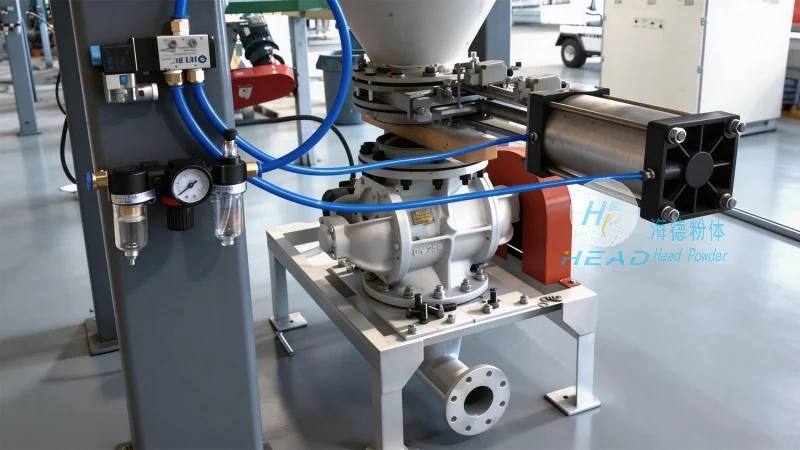
Introduction to Polypropylene Granule Conveying Systems
Polypropylene (PP) granules are widely used in various manufacturing processes, including plastic molding, extrusion, and compounding. The efficient transportation of these granules from storage to processing equipment is essential to ensure smooth production workflows. The conveying line designed by HeadPowder combines advanced engineering and robust components to deliver a reliable solution for polypropylene granule handling. The system is tailored to handle the unique characteristics of polypropylene granules, such as their size, density, and flow properties, ensuring optimal performance in different industrial applications.
Key Components of the Conveying Line
The polypropylene granule material conveying line typically consists of several key components that work in tandem to achieve efficient material transport. These components include hoppers for material storage, feeders to control the flow rate, conveyor belts or screw conveyors for horizontal and vertical transport, and control systems to monitor and regulate the operation. Each component is carefully selected and integrated to ensure seamless operation and minimal downtime. The hoppers are designed to accommodate large volumes of polypropylene granules, while the feeders provide precise control over the material discharge rate. The conveyor system, whether belt or screw-based, is engineered to handle the abrasive nature of polypropylene granules without causing excessive wear or damage to the equipment.
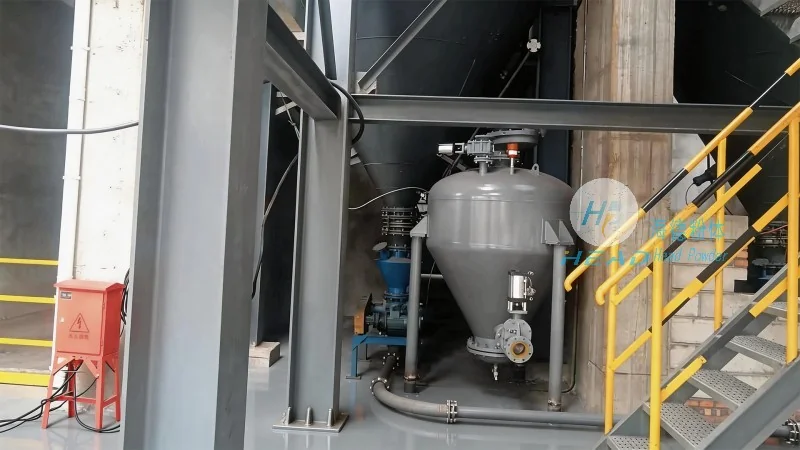
Operation Process of the Conveying Line
The operation of the polypropylene granule material conveying line begins with the loading of polypropylene granules into the storage hopper. The hopper is equipped with a level sensor to monitor the material level, ensuring that the system operates within safe limits. Once the hopper is filled, the feeder activates to control the flow of granules into the conveyor. The conveyor then transports the granules to the processing equipment, such as extruders or mixers. The entire process is automated, with the control system monitoring parameters like flow rate, pressure, and temperature to maintain consistent performance. The system is designed to handle varying loads and can be adjusted to accommodate different production rates, making it versatile for various industrial settings.
Working Principle of the Conveying Line
The working principle of the polypropylene granule material conveying line is based on mechanical energy transfer and material flow dynamics. The system utilizes gravity and mechanical force to move the polypropylene granules from the storage hopper to the processing equipment. The feeder regulates the flow rate by controlling the opening of the discharge port, ensuring a steady and controlled supply of granules to the conveyor. The conveyor, whether a belt or screw type, uses friction or screw rotation to move the granules along the path. The control system continuously monitors the operation, adjusting parameters as needed to maintain optimal performance. This integrated approach ensures that the conveying line operates efficiently, minimizing energy consumption and maximizing material throughput.

Advantages of the Polypropylene Granule Conveying Line
The polypropylene granule material conveying line offers several advantages that make it an ideal solution for industrial applications. Firstly, it provides a continuous and reliable supply of polypropylene granules to the processing equipment, reducing downtime and improving production efficiency. Secondly, the system is designed to handle the abrasive nature of polypropylene granules, ensuring long-term durability and minimal maintenance. Thirdly, the automated control system allows for precise regulation of the material flow, ensuring consistent product quality. Additionally, the modular design of the conveying line allows for easy integration with existing production lines, making it a flexible solution for various industrial needs.
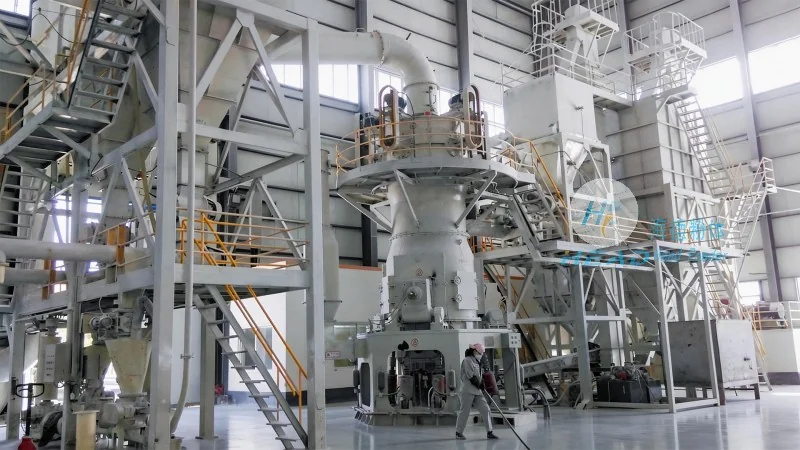
Application in Industrial Settings
The polypropylene granule material conveying line is widely used in industries such as plastic manufacturing, chemical processing, and food processing. In plastic manufacturing, it is used to transport polypropylene granules to extruders and injection molding machines, ensuring a steady supply of raw material for production. In chemical processing, it can be used to handle polypropylene granules in compounding and blending processes, where consistent material flow is critical. The system's adaptability and reliability make it suitable for various industrial applications, helping companies maintain high production standards and meet customer demands.
Conclusion
Shandong HeadPowder Engineering Co., Ltd. has developed a sophisticated polypropylene granule material conveying line that combines advanced engineering with robust components to deliver efficient and reliable material handling. The system's operation process and working principle are designed to meet the specific needs of polypropylene granule transportation, ensuring optimal performance in various industrial settings. By integrating precise control systems and durable components, the conveying line provides a solution that enhances production efficiency, reduces downtime, and maintains product quality. For industries dealing with polypropylene granules, this conveying line is an essential component for maintaining smooth and efficient production workflows.