

Operation Process and Working Principle of Material Conveying Line for Lithium-Ion Battery Anode Mat
The material conveying line for lithium-ion battery anode materials is a critical component in the production process of lithium battery cells, manufactured by Shandong HeadPowder Engineering Co., Ltd., a leading company based in Shandong, China. This system ensures the efficient and safe transport of raw materials and intermediate products from one processing stage to another, playing a vital role in the overall production efficiency of lithium-ion battery manufacturing. It is specifically designed to handle the unique properties of anode materials, such as their fine particle size and potential reactivity, while maintaining high throughput and minimal material loss. The line integrates various equipment, including feeders, conveyors, and storage silos, to form a seamless production flow that supports the entire battery production line.
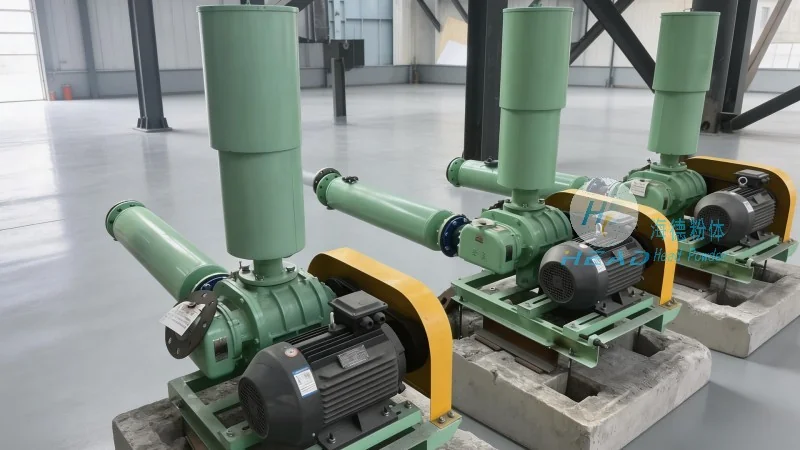
Key Components and Their Functions
At the core of the conveying line are several key components that work in tandem to ensure smooth operation. The first stage typically involves a material feeder, which can be a rotary valve or a screw feeder, designed to regulate the flow of anode material from the storage silo. This component ensures a consistent feed rate, preventing overloading or underloading of the subsequent conveyor. The conveyor system, often a belt or chain conveyor, transports the material to the next processing unit, such as a mixing or coating machine. In some designs, a vibratory feeder is used to enhance material flow, especially for materials with poor flow characteristics. Additionally, the line may include a dust collection system to manage airborne particles and maintain a clean working environment. The storage silo, usually made of stainless steel or other corrosion-resistant materials, provides a large capacity for raw material storage, ensuring a continuous supply even during production interruptions. Each component is strategically placed to optimize material movement and minimize energy consumption.
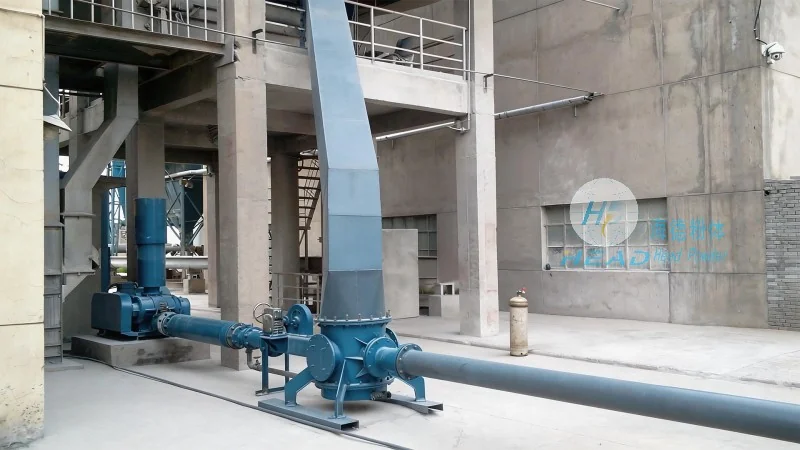
Operation Process: From Raw Material to Finished Product
The operation process of the material conveying line follows a systematic sequence, starting with the raw anode material and ending with the prepared material ready for cell assembly. The process begins with the raw material being discharged from the storage silo into the feeder. The feeder then regulates the material flow, feeding it into the conveyor. The conveyor transports the material to the first processing stage, such as a mixing unit where it may be combined with other additives. After mixing, the material is conveyed to the next stage, which could be a coating or drying machine. Each stage is connected by the conveying line, ensuring that the material moves without interruption. The system is equipped with sensors and control panels that monitor the flow rate, pressure, and temperature, allowing for real-time adjustments to maintain optimal performance. The final stage of the line typically involves a discharge unit that delivers the processed anode material to the next production step, such as cell formation or packaging. This seamless flow minimizes downtime and ensures that the production line operates continuously, meeting the high demand for lithium-ion batteries in the market.
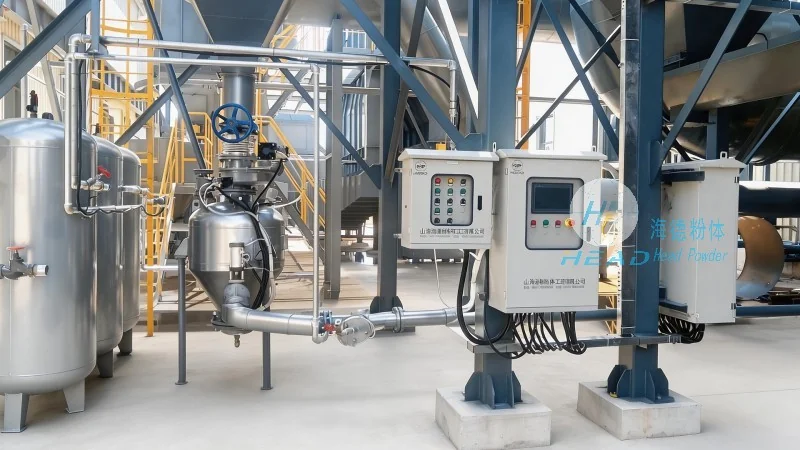
Working Principle: Ensuring Efficiency and Reliability
The working principle of the material conveying line is based on mechanical and pneumatic systems that work together to transport materials. The mechanical components, such as conveyors and feeders, rely on motor-driven mechanisms to move the material along the line. The pneumatic system, if present, uses compressed air to assist in material flow, particularly for fine powders that may have poor flow characteristics. The control system, often a programmable logic controller (PLC), coordinates the operation of all components, ensuring that each stage operates in sequence and at the correct speed. The sensors in the system provide feedback on the material level, flow rate, and any blockages, triggering alarms or automatic shutdowns if issues arise. This integrated approach ensures that the line operates efficiently, with minimal downtime and maximum material throughput. The design also considers safety features, such as explosion-proof motors and dust-proof enclosures, to protect operators and the equipment from potential hazards associated with anode materials. The reliability of the system is further enhanced by regular maintenance schedules and quality control checks, ensuring long-term performance and durability.
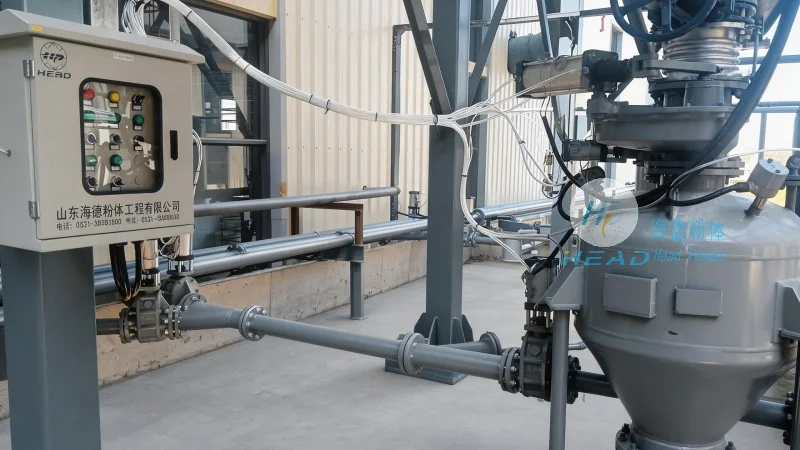
Benefits and Applications in Lithium-Ion Battery Manufacturing
The material conveying line for lithium-ion battery anode materials offers several benefits that enhance the overall production process. Firstly, it improves efficiency by eliminating manual handling of materials, reducing labor costs and the risk of human error. The automated system ensures consistent material flow, leading to higher product quality and uniformity. Secondly, the line minimizes material loss and contamination, which is crucial for maintaining the purity of anode materials. This is achieved through sealed conveying systems and proper filtration. Thirdly, the system enhances safety by reducing exposure to airborne particles and potential chemical hazards. The enclosed design and dust collection systems protect both the environment and the workforce. The applications of this line are widespread in the lithium-ion battery industry, particularly in large-scale production facilities where high throughput is required. It is used in the production of various anode materials, including graphite, silicon, and lithium titanate, each with different processing requirements. The flexibility of the conveying line allows it to be adapted to different material types and production scales, making it a versatile solution for manufacturers. The investment in such a system not only improves production efficiency but also contributes to the sustainability of battery manufacturing by reducing waste and optimizing resource use.