

Operation Process and Working Principle of Cement Raw Material Material Handling System Equipment
Shandong HeadPowder Engineering Co., Ltd. specializes in the design, manufacturing, and installation of advanced material handling systems tailored for the cement industry. The cement raw material material handling system is a critical component in modern cement production, ensuring efficient and reliable transport of raw materials from storage to processing units. This system integrates various equipment such as conveyors, feeders, and control systems to optimize material flow and minimize operational downtime.
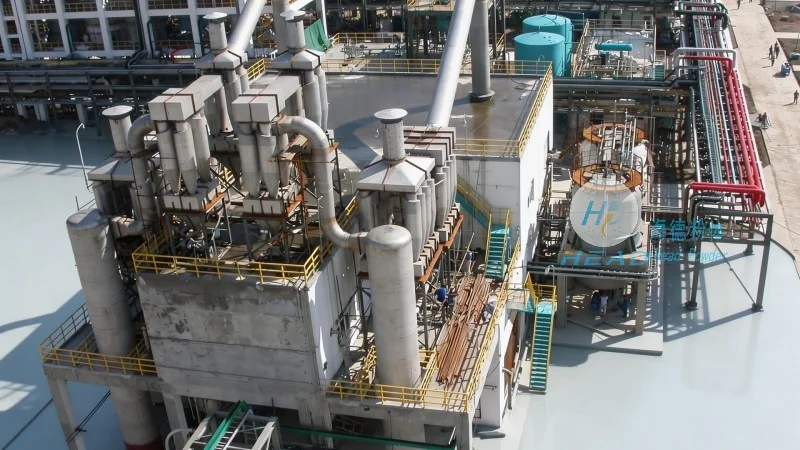
Key Components of the Material Handling System
The cement raw material material handling system typically consists of several key components that work in tandem to achieve seamless material transport. These include bulk material conveyors, such as belt conveyors or bucket elevators, which are designed to handle large volumes of raw materials like limestone, clay, and iron ore. Feeders, often in the form of rotary or vibratory types, are used to regulate the flow rate of materials into the processing equipment. Additionally, the system incorporates control panels and sensors that monitor operational parameters, ensuring precise control over the material flow and maintaining system safety.
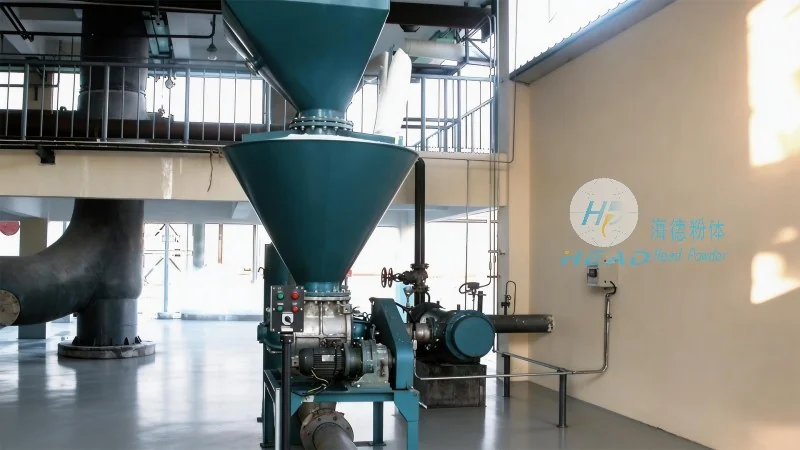
Operation Process of the Material Handling System
The operation process of the cement raw material material handling system begins with the loading of raw materials into storage silos or hoppers. From there, the materials are transferred to the primary conveyor system, which transports them to the processing plant. The system may include multiple stages of conveyance, such as horizontal and vertical transport, to cover the entire production site. Each conveyor is equipped with motor drives and tensioning mechanisms to maintain consistent speed and tension, preventing material spillage or blockages. The feeders then regulate the material flow into the grinding mills or preheaters, ensuring a steady supply of raw materials for the cement production process. The control system continuously monitors key parameters like speed, pressure, and material level, adjusting operations as needed to maintain optimal performance.
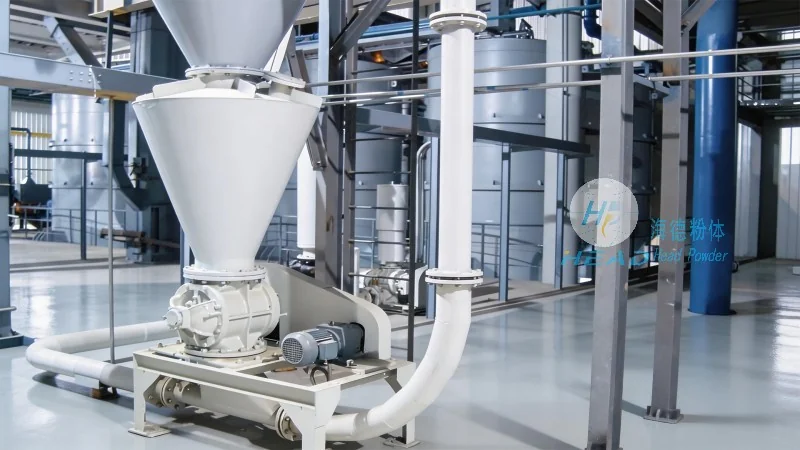
Working Principle of the Material Handling System
The working principle of the cement raw material material handling system is based on mechanical and hydraulic principles to achieve efficient material transport. Belt conveyors, for example, use a continuous belt loop supported by rollers to move materials horizontally or at an incline. The motor drives the pulley, which in turn pulls the belt, transporting the raw materials. The tensioning system ensures the belt remains taut, preventing slippage and maintaining consistent speed. Bucket elevators operate by using a series of buckets attached to a chain or belt, which lift materials vertically. As the buckets ascend, they fill with raw materials and discharge them at the top, where another conveyor transports them to the next stage. Feeders utilize vibration or rotation to control the flow rate, ensuring a uniform feed to downstream equipment. The control system integrates sensors and programmable logic controllers (PLCs) to coordinate the operation of all components, providing real-time monitoring and automated adjustments to maintain system efficiency and safety.
Benefits and Advantages of the System
Implementing a cement raw material material handling system offers several benefits for cement manufacturers. Firstly, it enhances operational efficiency by ensuring a continuous and reliable supply of raw materials, reducing downtime caused by material shortages or blockages. The system's design minimizes material loss and spillage, improving overall material utilization rates. Additionally, the integrated control system provides real-time monitoring and data analysis, enabling predictive maintenance and proactive troubleshooting. This leads to reduced maintenance costs and extended equipment lifespan. The system also contributes to improved safety by eliminating manual handling of heavy materials, reducing the risk of accidents and injuries. Furthermore, the modular design allows for easy expansion or modification to accommodate changes in production capacity or raw material types.
Conclusion
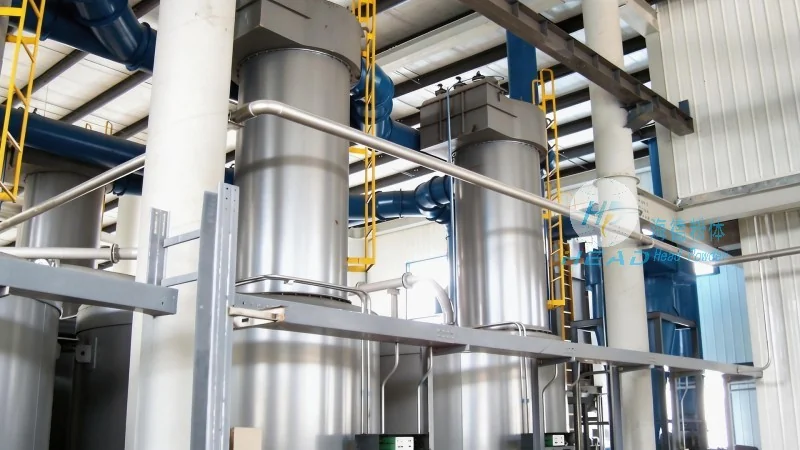
Shandong HeadPowder Engineering Co., Ltd. provides comprehensive solutions for cement raw material material handling systems, combining advanced technology with robust engineering to meet the demanding requirements of the cement industry. The operation process and working principle of these systems are designed to ensure efficient, reliable, and safe material transport, supporting the overall productivity and profitability of cement production facilities. By leveraging the expertise of HeadPowder, cement manufacturers can optimize their material handling operations and achieve sustainable growth in the industry.