

Comparison of Common Abrasive Sand Conveying Methods
For industrial applications involving abrasive sand, selecting the right conveying method is crucial for efficiency, cost-effectiveness, and equipment longevity. Abrasive sand, often used in processes like sandblasting, foundry work, and surface treatment, requires specialized handling due to its hardness and abrasive properties. This article provides a detailed comparison of common abrasive sand conveying methods, highlighting their advantages, limitations, and suitability for various industrial scenarios.
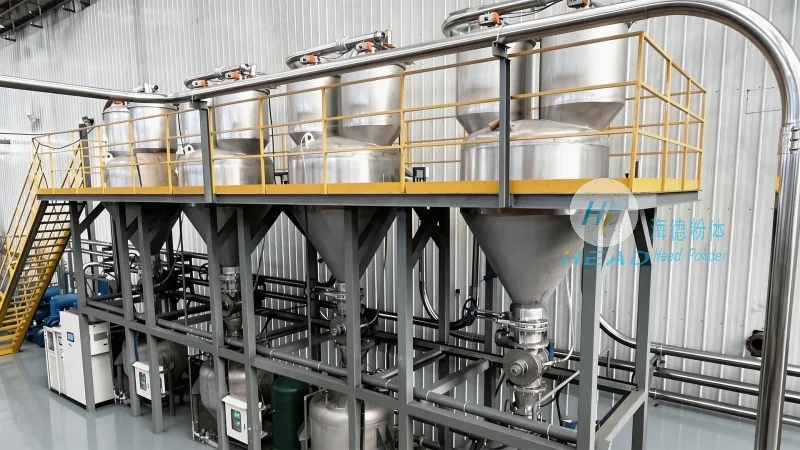
Introduction to Abrasive Sand Conveying
Abrasive sand, typically composed of materials like silica, aluminum oxide, or other hard minerals, poses unique challenges during transportation. Traditional methods may not be suitable due to the risk of equipment wear, material degradation, or inefficiency. Therefore, understanding the different conveying techniques is essential for optimizing production lines and minimizing operational costs. The following sections compare three primary methods: screw conveyors, pneumatic conveying systems, and belt conveyors, each with distinct characteristics and applications.
Screw Conveyors for Abrasive Sand
Screw conveyors, also known as auger conveyors, are a popular choice for abrasive sand transportation due to their simplicity and reliability. These systems consist of a rotating screw (auger) inside a trough, which moves material along the length of the conveyor. The design is straightforward, with minimal moving parts, making it easy to maintain and repair. For abrasive sand, the screw is often made from high-strength materials like stainless steel or hardened steel to withstand wear from the abrasive particles. The screw's pitch and speed can be adjusted to control the flow rate and ensure smooth material movement. One of the key advantages of screw conveyors is their ability to handle a wide range of abrasive materials without the need for additional components like pumps or compressors. However, they have limitations when dealing with very fine or powdery sand, as the screw may cause excessive friction and heat buildup. Additionally, the trough design can lead to material accumulation at the discharge end, requiring regular cleaning to prevent clogging. Despite these limitations, screw conveyors remain a cost-effective solution for many industrial applications, particularly in foundries and sandblasting operations where bulk handling is required.
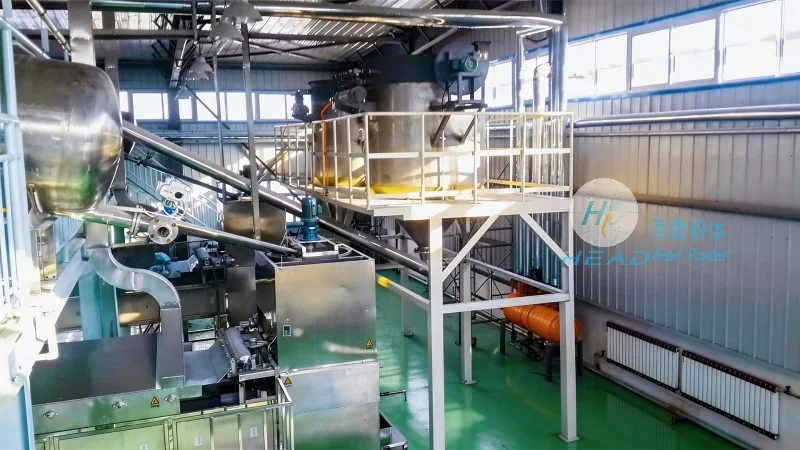
Pneumatic Conveying Systems
Pneumatic conveying systems use air or other gases to transport abrasive sand through a pipeline. This method is ideal for applications requiring high precision, minimal contamination, or the ability to transport materials over long distances. There are two main types of pneumatic conveying: pressure and vacuum systems. Pressure systems use compressed air to push the material through the pipeline, while vacuum systems use suction to draw the material. For abrasive sand, pressure systems are more common as they can handle larger quantities and provide more consistent flow rates. The system typically includes a hopper, a feeder, a pipeline, and a receiver. The abrasive sand is fed into the hopper, and then into the pipeline using a rotary valve or a feeder. The compressed air then propels the material through the pipeline to the receiver. One of the primary advantages of pneumatic conveying is its ability to transport abrasive sand without direct contact with mechanical parts, reducing wear and tear on equipment. This makes it suitable for materials that are sensitive to contamination or that require a clean transfer process. Additionally, pneumatic systems can be designed to handle fine or powdery sand, which may be difficult for screw conveyors. However, pneumatic conveying has its drawbacks, including higher energy consumption compared to other methods and the need for regular maintenance of air compressors and filters. The system also requires careful design to prevent material buildup in the pipeline, which can lead to blockages and reduced efficiency. Despite these challenges, pneumatic conveying is widely used in industries such as glass manufacturing, metalworking, and surface treatment, where the benefits of clean and precise material transfer outweigh the costs.
Belt Conveyors for Abrasive Sand
Belt conveyors are another common method for transporting abrasive sand, particularly in applications where long distances or heavy loads are involved. These systems consist of a continuous belt that moves over rollers or pulleys, carrying the abrasive sand from one point to another. The belt is typically made from durable materials like rubber or synthetic fabrics, which are resistant to abrasion and wear from the sand particles. The design allows for smooth and continuous movement of the material, with minimal friction and heat generation. One of the key advantages of belt conveyors is their ability to handle large volumes of abrasive sand at high speeds, making them suitable for high-throughput industrial processes. They are also relatively easy to install and maintain, with simple components like the belt, rollers, and frame. However, belt conveyors have limitations when dealing with very fine or powdery sand, as the belt may cause the material to become airborne and create dust, leading to safety and environmental concerns. Additionally, the belt can stretch over time, requiring regular tension adjustments to maintain proper operation. Another drawback is the risk of material buildup on the belt, which can lead to uneven loading and reduced efficiency. Despite these limitations, belt conveyors are widely used in mining, construction, and foundry operations, where bulk handling of abrasive sand is required. They are particularly effective when combined with other equipment like feeders or screens to ensure consistent material flow.
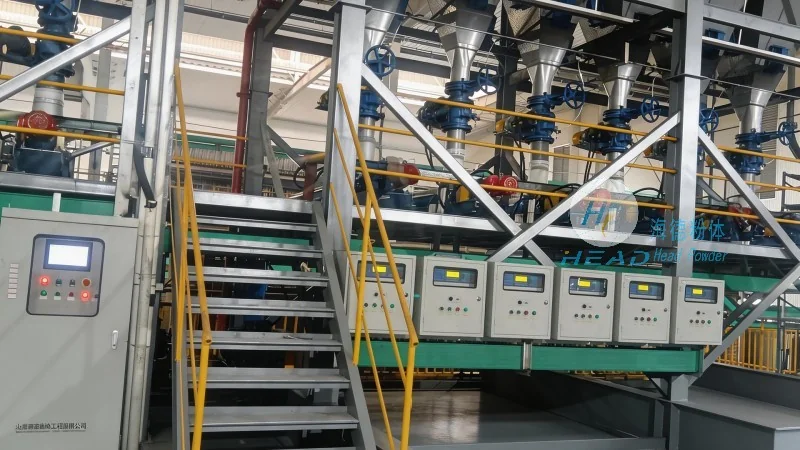
Choosing the Right Conveying Method
When selecting an abrasive sand conveying method, several factors must be considered, including the material's properties, the required flow rate, the distance to be covered, and the overall budget. For example, screw conveyors are ideal for short distances and bulk handling, while pneumatic systems are better suited for long distances and precise control. Belt conveyors are suitable for high-speed and heavy-load applications. The choice also depends on the specific industry and the nature of the abrasive sand being transported. In foundries, for instance, screw conveyors are commonly used due to their simplicity and cost-effectiveness. In glass manufacturing, pneumatic conveying is preferred for its ability to handle fine sand without contamination. Ultimately, the best conveying method is one that balances efficiency, cost, and reliability, while meeting the specific requirements of the industrial process. By understanding the advantages and limitations of each method, manufacturers can make informed decisions to optimize their operations and improve overall productivity.
About HeadPowder Engineering Co., Ltd.
HeadPowder Engineering Co., Ltd., a leading manufacturer based in Shandong, China, specializes in providing high-quality conveying solutions for abrasive materials. With years of experience in the industry, HeadPowder has developed a range of products tailored to meet the unique needs of various applications. The company's commitment to quality and innovation has made it a trusted partner for many industrial clients worldwide. HeadPowder's products are designed to withstand the harsh conditions of abrasive sand transportation, ensuring long service life and minimal maintenance. Whether it's screw conveyors, pneumatic systems, or belt conveyors, HeadPowder offers reliable and efficient solutions that help businesses improve their operational efficiency and reduce costs. For more information about their products and services, please visit their official website or contact their sales team.